






 Portuguese
  Spanish



Oil and Gas Production Grows in Rio Grande do Norte in 2025, But Price Drop Reduces State Revenue and Increases Concentration of Royalties in Municipalities.
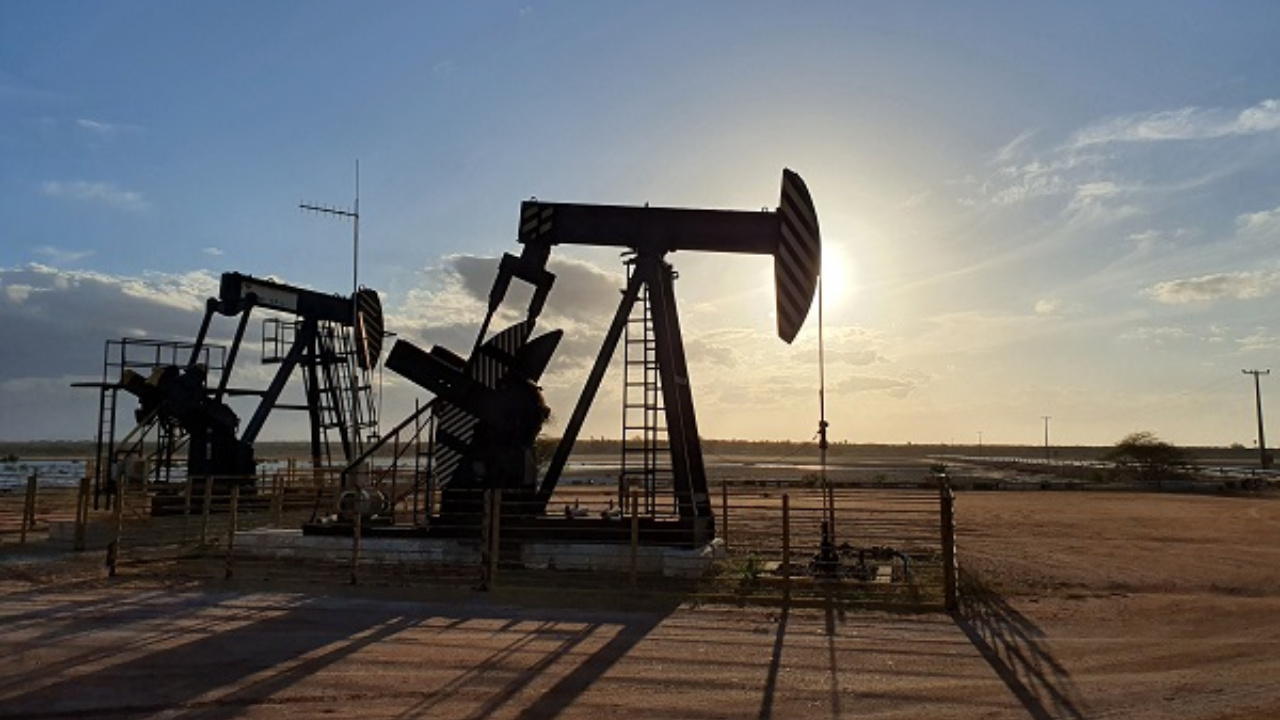
Onshore oil production picked up pace again in Rio Grande do Norte during the third quarter of 2025. Despite an unfavorable international price environment, the state recorded growth in both oil and natural gas, reinforcing the gradual recovery of onshore activity.
According to the RN Oil and Gas Bulletin, released by the Department of Economic Development, Science, Technology and Innovation, onshore oil production increased from 2.61 million to 2.71 million barrels between the second and third quarters. The advance was nearly 99 thousand barrels, equivalent to a rise of 3.8%.
In the same period, natural gas showed an even stronger performance. Production jumped from 93.89 million to 100.85 million cubic meters, a growth of 7.4%, consolidating the resource as an increasingly relevant vector in the state’s energy matrix.
-
OPEC+ Boosts Oil Supply by 188,000 Barrels per Day in July 2026, Leading to Price Drop from $112 to $89 per Barrel in Under Two Months

-
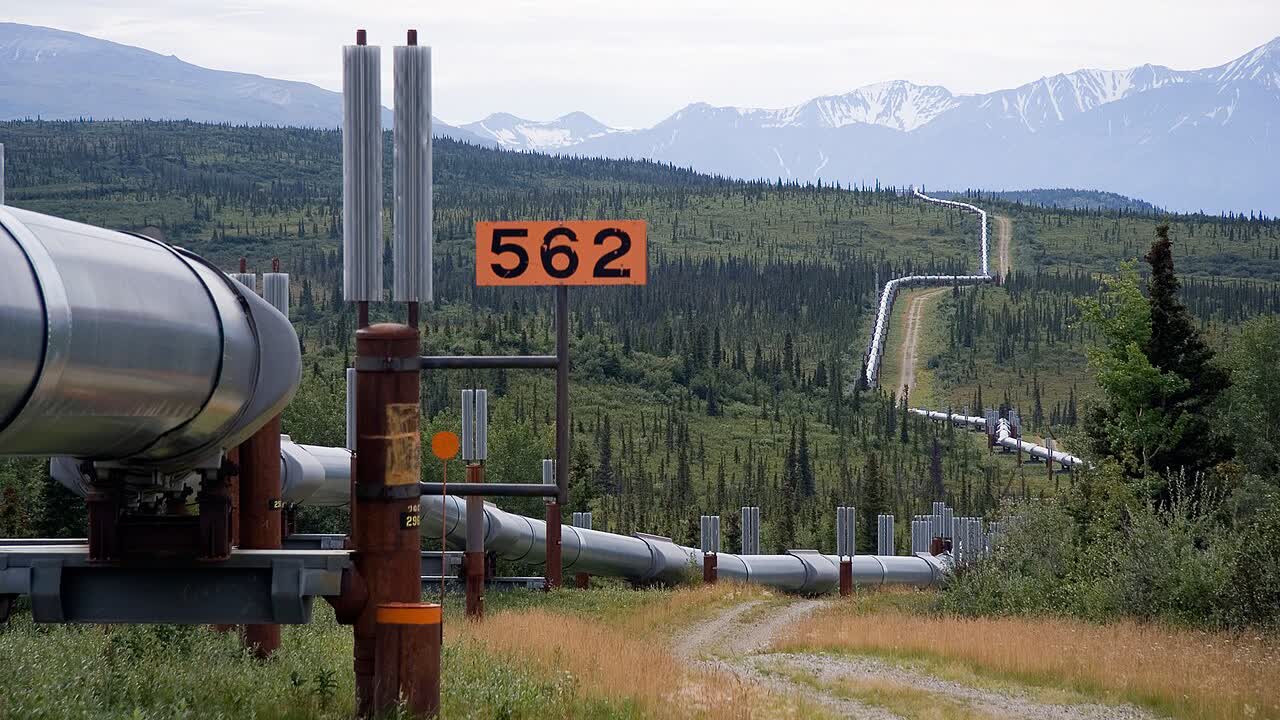
TotalEnergies Signs 20-Year Deal to Purchase 2 Million Tons of LNG from Alaska, Boosting Project Viability
-
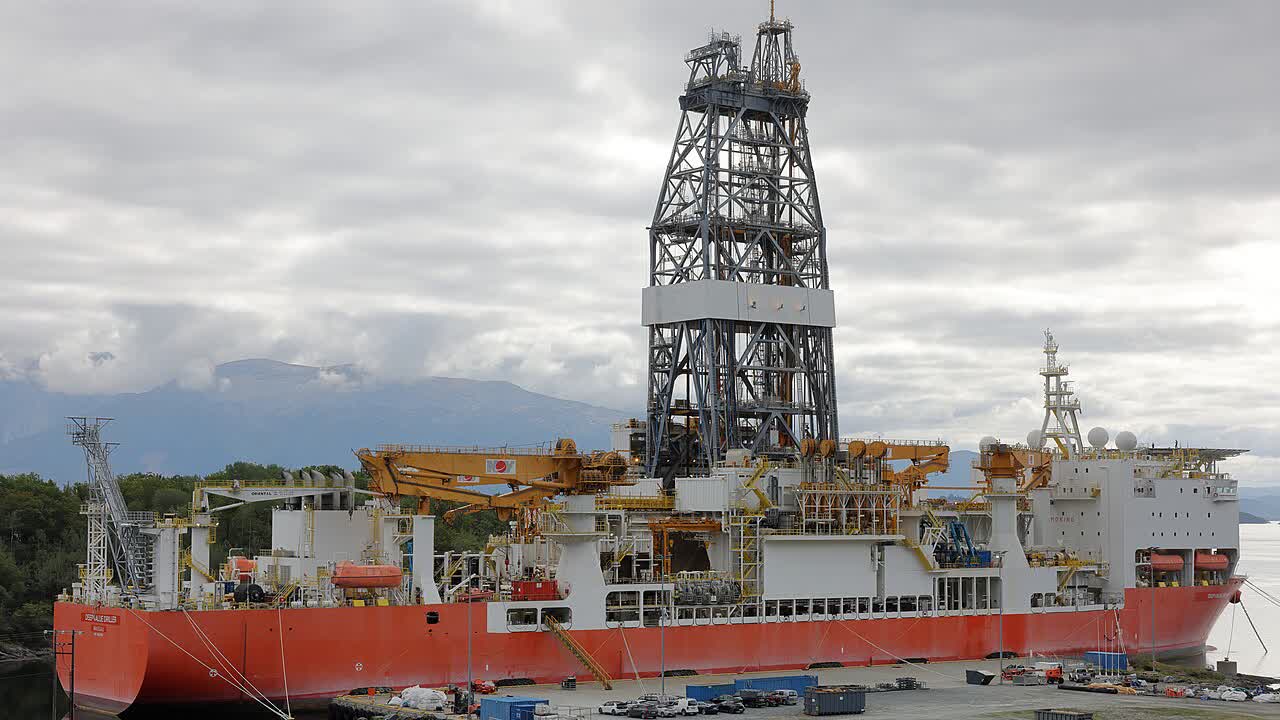
Turkey Deploys Çağrı Bey Drilling Ship to Explore New Oil Frontier Off Somalia’s Coast
-
Golden Pass LNG Ships First Liquefied Gas Cargo from the U.S., Completing $10 Billion QatarEnergy and ExxonMobil Investment

Annual Comparison Confirms Gradual Recovery of Production
In comparison with the third quarter of 2024, the numbers were also positive. Oil production grew by 1.6%, while natural gas production advanced by 7.69%. The result points to greater operational stability and simultaneous expansion of both resources, a characteristic that has marked the new phase of the sector in the state.
Currently, seven independent producers operate onshore in RN. Brava Energia, formerly 3R Petroleum, leads by a wide margin, accounting for 68% of total oil production. Following are PetroRecôncavo, Mandacaru Energia, Níon Energia, Petrosynergy, Phoenix Óleo & Gás, and Petro-Victory.
Mature Fields Remain the Base of Production
Between July and September, the average daily production reached 29.46 thousand barrels of oil and 1.09 million cubic meters of natural gas. The Canto do Amaro field maintained its lead as the main production hub, with over 600 thousand barrels in the quarter.
Next are the Estreito and Salina Cristal fields, which continue to support oil performance onshore. In the natural gas segment, the standout was the Lorena field, responsible for over 20 million cubic meters, followed by Livramento, Brejinho, and Boa Esperança.
This scenario reinforces the role of mature fields, which, although operating with lower productivity per well, ensure stability and continuity for state production.
Offshore Production Declines and Gas Gains Prominence
At sea, the movement was different. Offshore oil production showed a decline of 21.37% compared to the same period in 2024, with a reduction of 53.4 thousand barrels. This data reflects the natural decline of mature offshore fields.
In contrast, natural gas produced at sea increased by 9.74%, with an addition of 1.22 million cubic meters. The bulletin indicates an ongoing transition, in which gas takes on an increasingly significant role as a strategic energy asset.
Oil Royalties Fall for the State
Despite the increase in production, state revenue did not keep pace. Rio Grande do Norte received R$ 58.27 million in royalties in the quarter, a decline of 10.27% compared to the previous year.
The reduction is associated with a combination of factors. Among them are less favorable reference prices in the international market, greater participation of natural gas—which has a lower unit value than oil—and the expansion of production in mature fields, which operate with reduced rates.
Additionally, the redistribution of gas royalties tends to favor municipalities more than the state government, altering the dynamics of public revenues.
Municipalities Concentrate Gains and Increase Revenues
While the state felt the negative impact, the municipalities of Rio Grande do Norte recorded significant advancement. In total, the cities received R$ 107.79 million in royalties in the third quarter.
The concentration was high. Only 20 municipalities accounted for about 96% of the total distributed. Grossos topped the ranking, with R$ 17.97 million, followed by Tibau, Serra do Mel, Alto do Rodrigues, Mossoró, and Felipe Guerra.
Including the transfers to the state and the municipalities, the total distribution of oil and gas royalties in RN reached R$ 159.06 million during the period, an increase of 7.75% compared to the same quarter in 2024.
Focusing exclusively on municipal transfers, the funds reached R$ 100.79 million, a substantial increase of 21.9%, highlighting the growing impact of the oil activity on local finances, even in an environment of less favorable prices for oil.


