Portuguese
  Spanish


UFRJ Specialist Says Brazilian Oil Can Be Strategic Alternative in Global Energy Transition. International Report Warns of Contradictions Between Climate Goals and Expansion of Fossil Fuel Production.
The transition to clean energy sources is seen as an inevitable path to reduce the impacts of global warming. However, experts remind us that the process does not happen immediately. Among them is Roberto Schaeffer, a professor at COPPE/UFRJ and a reference in energy planning. He argues that, given the existing demand, oil will continue to have a place, but it should be produced in countries with lower environmental impact, as reported on Monday, 09/22.
Brazil as a Highlight in Oil Production with Lower Emissions
Schaeffer emphasizes that extraction in Brazil presents technical and environmental advantages. “It makes more sense to produce oil in Brazil for a longer time,” he stated in an interview. According to him, Brazilian oil has superior quality and requires less energy in the production and refining process. This means lower greenhouse gas emissions, which puts the country in a strategic position to meet global demand during the energy transition.
The researcher’s statements align with the conclusions of the report Production Gap 2025, released on Monday, 22. The document, prepared by an international group of 50 scientists, shows that government plans in various countries indicate an expansion of fossil fuel production in the coming decades.
-
OPEC+ Boosts Oil Supply by 188,000 Barrels per Day in July 2026, Leading to Price Drop from $112 to $89 per Barrel in Under Two Months

-
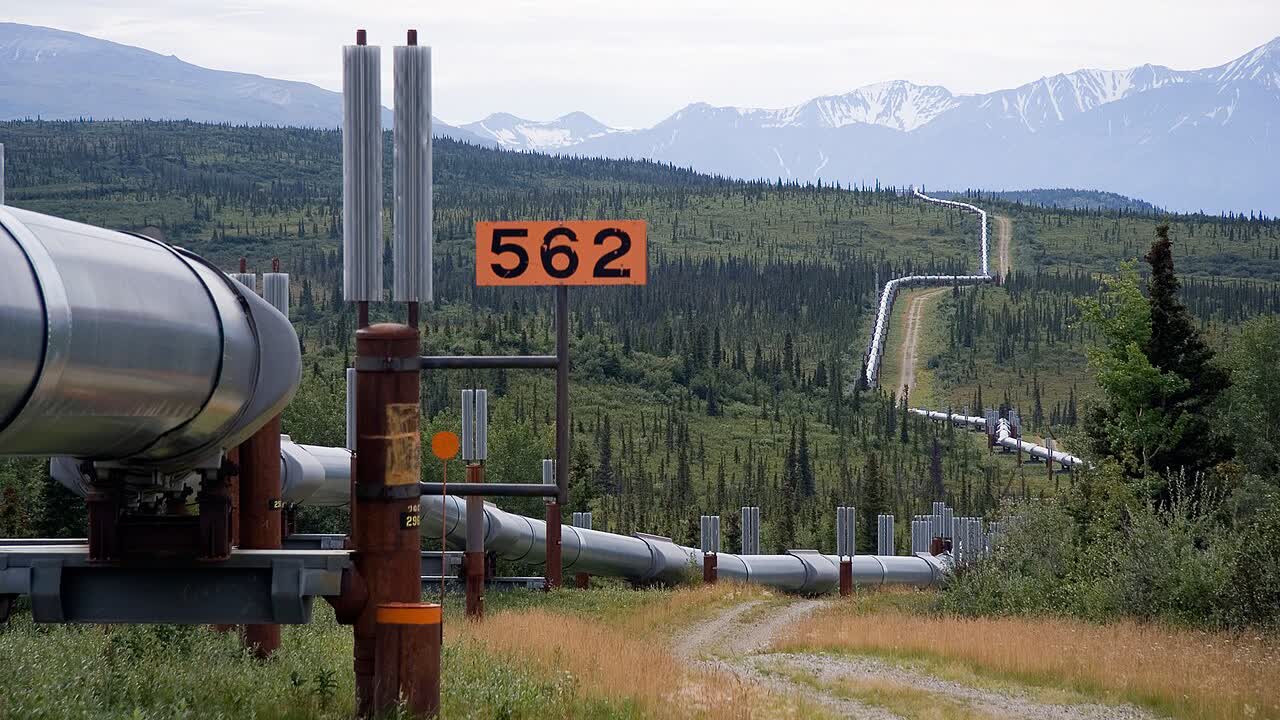
TotalEnergies Signs 20-Year Deal to Purchase 2 Million Tons of LNG from Alaska, Boosting Project Viability
-
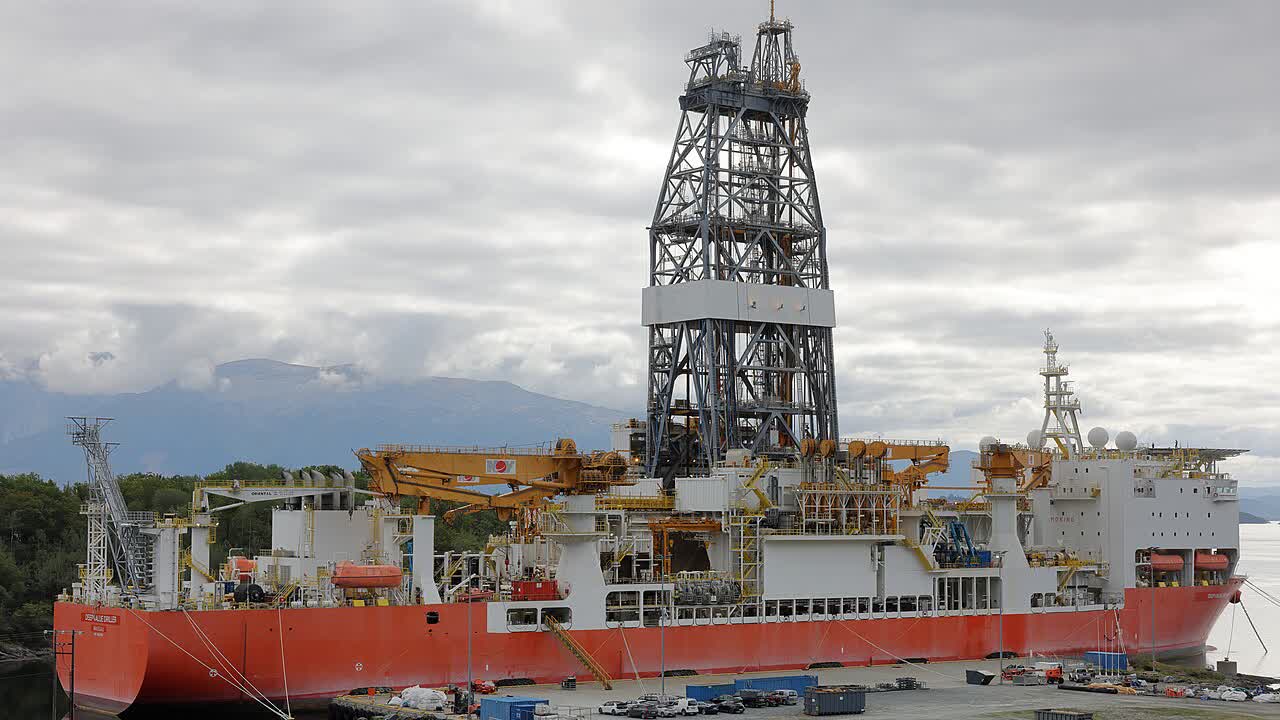
Turkey Deploys Çağrı Bey Drilling Ship to Explore New Oil Frontier Off Somalia’s Coast
-
Golden Pass LNG Ships First Liquefied Gas Cargo from the U.S., Completing $10 Billion QatarEnergy and ExxonMobil Investment

This scenario, however, is incompatible with the goals set in the Paris Agreement, which establishes a limit on global temperature rise to up to 2ºC, ideally not exceeding 1.5ºC by the end of the century. Recent projections, however, already indicate that maintaining the 1.5ºC goal is becoming increasingly distant.
Contradiction Between Commitments and Energy Reality
According to Schaeffer, the situation reveals a clear contradiction: “there is a lingering demand for fossil fuels, particularly for oil, that cannot be resolved overnight.” He advocates that countries take joint responsibilities, reminding that “they need to be ashamed and seriously discuss the problem” in a global and coordinated manner.
Another point raised by the professor is the need for cooperation among nations. For him, “from a scientific point of view, it makes sense to produce oil where it is better and cheaper, and to have international trade that is free and tariff-free.” This view reinforces the idea that the energy transition should consider not only environmental goals but also efficiency and fairness in the division of responsibilities among countries.