Portuguese
  Spanish


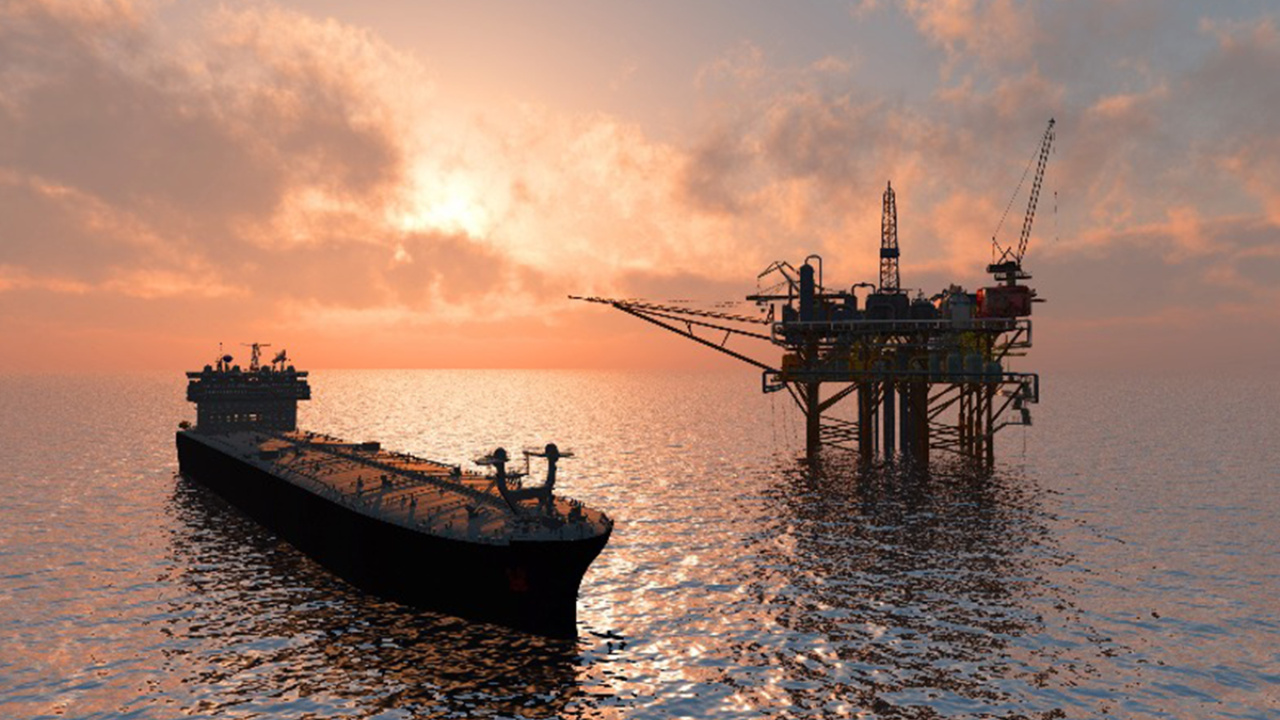


Oil Prices Rose Again After Recent Drops, Influenced by Geopolitical Tensions, Supply Risks, and Possible Pressure from the G7 on India and China.
On the morning of Friday, September 12, 2025, oil prices showed recovery. The movement reversed the drops recorded in the previous session, when the market reacted to fears of weakening demand in the United States and oversupply globally.
At 7:37 AM (Brasilia time), November Brent crude futures were up 1.15%, reaching US$ 67.13 per barrel.
Meanwhile, October WTI crude futures rose 0.95%, trading at US$ 62.96.
-
Brazil’s ANP Opens 86 New Oil Blocks in the Equatorial Margin, Expanding the Amazon River Mouth Frontier

-
OPEC+ Boosts Oil Supply by 188,000 Barrels per Day in July 2026, Leading to Price Drop from $112 to $89 per Barrel in Under Two Months

-
TotalEnergies Signs 20-Year Deal to Purchase 2 Million Tons of LNG from Alaska, Boosting Project Viability
-
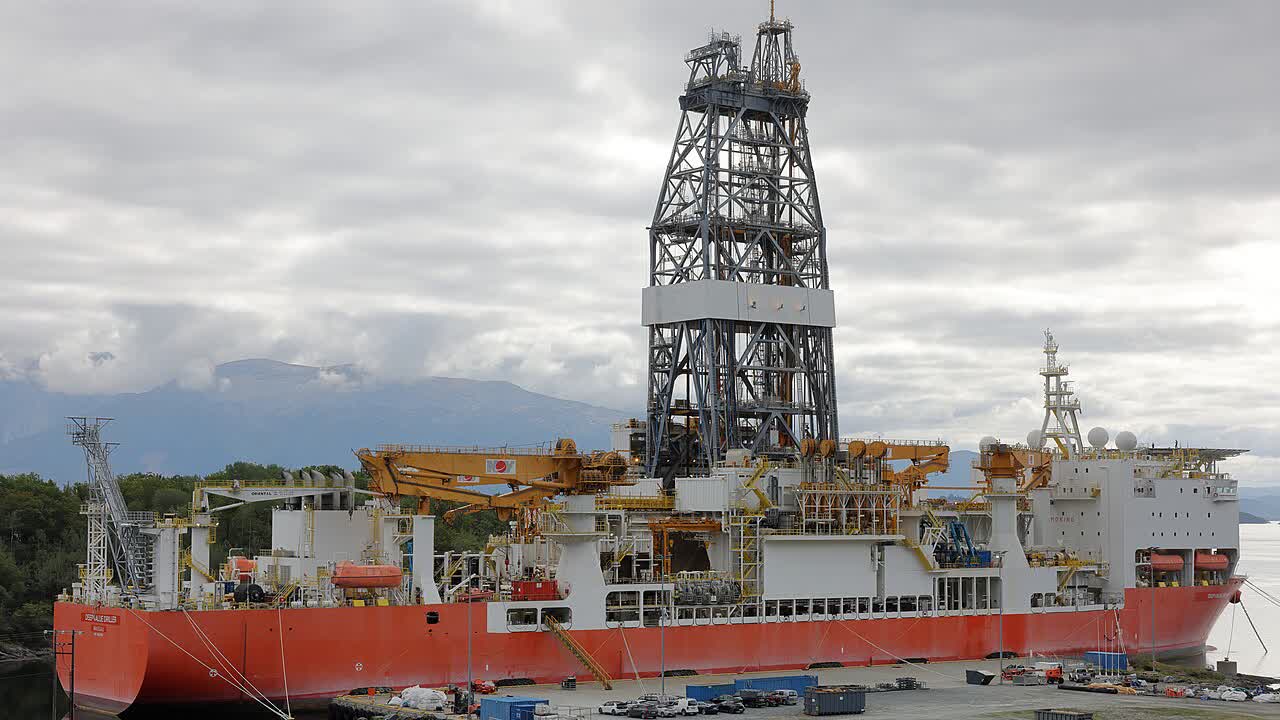
Turkey Deploys Çağrı Bey Drilling Ship to Explore New Oil Frontier Off Somalia’s Coast
Political Pressure Influences Prices
One of the main factors behind the recovery was the news that the United States government, under the leadership of Donald Trump, was pressuring the G7 to impose higher tariffs on India and China for purchasing Russian oil.
According to the Financial Times, finance ministers from Canada, France, Germany, Italy, Japan, the United Kingdom, and the United States were set to discuss the proposal today via videoconference. The suggested tariffs would be at elevated levels, ranging between 50% and 100%.
This political scenario adds volatility to the market, as tougher measures against importers of Russian oil could reshape global energy flows.
In addition to tariff pressures, investors are closely monitoring supply risks caused by conflicts in different regions. On Friday, a drone attack on the Russian port of Primorsk caused a fire on a vessel and at a pumping station. The incident was the first confirmed attack on Russia’s important oil and fuel export terminal.
Meanwhile, in the Middle East, the UN Security Council condemned an Israeli attack in Doha that targeted Hamas leaders. The body emphasized that the action violated Qatar’s sovereignty and could jeopardize fragile mediation efforts for peace in Gaza.
Supply Under Pressure in Asia
In Asia, new trade barriers are also emerging. The Adani Group, India’s largest private port operator, announced a ban on the entry of tankers sanctioned by the United States, the United Kingdom, or the European Union. This measure could further restrict India’s access to Russian oil, adding uncertainties to the supply chain.
Given this set of factors — political tensions, supply risks, and changes in international logistics — the oil market remains in constant fluctuation. With each new event, investors adjust expectations and reevaluate the impacts on production, demand, and prices in the global landscape.