Portuguese
  Spanish


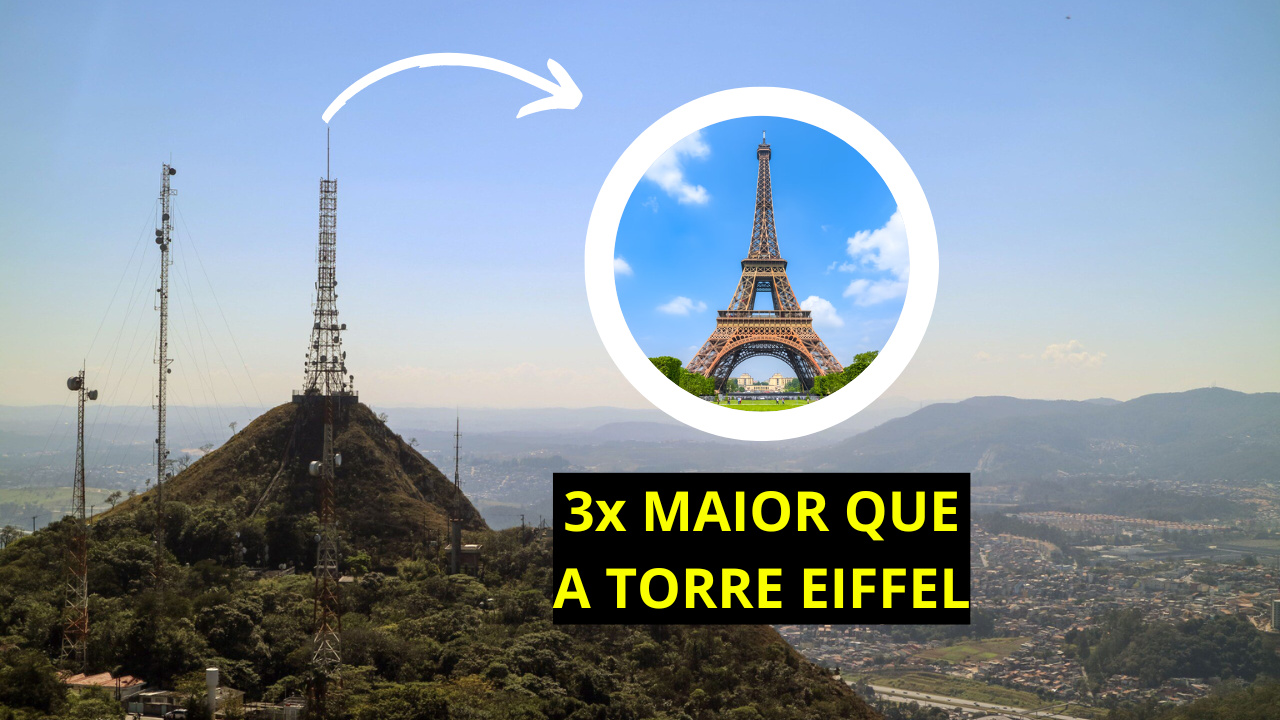


The Jaraguá Peak, in São Paulo, is the highest point of the city, at 1,135 meters above sea level. Located in a preserved Atlantic Forest area, the site houses trails, history, and even the smallest indigenous reserve in the country.
In the northwestern zone of São Paulo, a stunning postcard impresses residents and tourists alike. It is the Jaraguá Peak, a mountain that reaches 1,135 meters above sea level and stands out as the highest point in the city.
Its grandeur is such that, with the antenna installed at the top, its height surpasses that of the Eiffel Tower in Paris by three times.
The landscape can be contemplated from various points in the capital. Those who climb to the summit have the chance to see nearly the entire western zone of São Paulo.
-
How to Prevent Brown Recluse Spider Bites: Common Hiding Spots and Free Tips to Reduce Risks

-
Natto: The Unusual Japanese Superfood Gaining Popularity on Social Media and Driving Record Exports
-
Brazilian Mayor Goes Undercover as Homeless for 24 Hours to Assess Public Services

-
15-Year-Old Entrepreneur Malu Lira Publishes 20 Children’s Books on Financial Education, Earns $500,000, and Expands Her Project to the Amazon Rainforest



Jaraguá Peak: Trails That Charm Visitors
Reaching the top can be done by car on a paved road. However, the most remarkable experience occurs via the famous Pai Zé Trail, which is 1.5 km long.
In addition to that, the Jaraguá State Park offers other options amidst the Atlantic Forest: the Silent Trail (400 meters), the Lake Trail (500 meters), and the Spring Trail (750 meters).
These paths make the visit even more special, allowing direct contact with the preserved nature.
History and Importance of Jaraguá State Park
Jaraguá State Park was created in 1961 to protect one of the last fragments of native Atlantic Forest in São Paulo.
A year later, in 1962, the antenna was installed to serve radio stations. Today, the equipment also transmits TV signals for channels like Globo São Paulo, Bandeirantes, and TV Cultura.
Another historical landmark within the area is the house of Afonso Sardinha, considered the “father of Brazilian steelmaking.” Despite its historical weight, he is marked for having owned enslaved people, which generates debates to this day.
Indigenous Presence and Cultural Significance
The Park also houses the smallest indigenous reserve in the country, with about 700 Guaranis divided into six villages.
For decades, these communities have fought for the demarcation of their territory, keeping cultural traditions alive in the heart of the metropolis.
The very name Jaraguá comes from Guarani and means “Where we passed,” reinforcing the ancestral connection of the region.