






 Portuguese
  Spanish


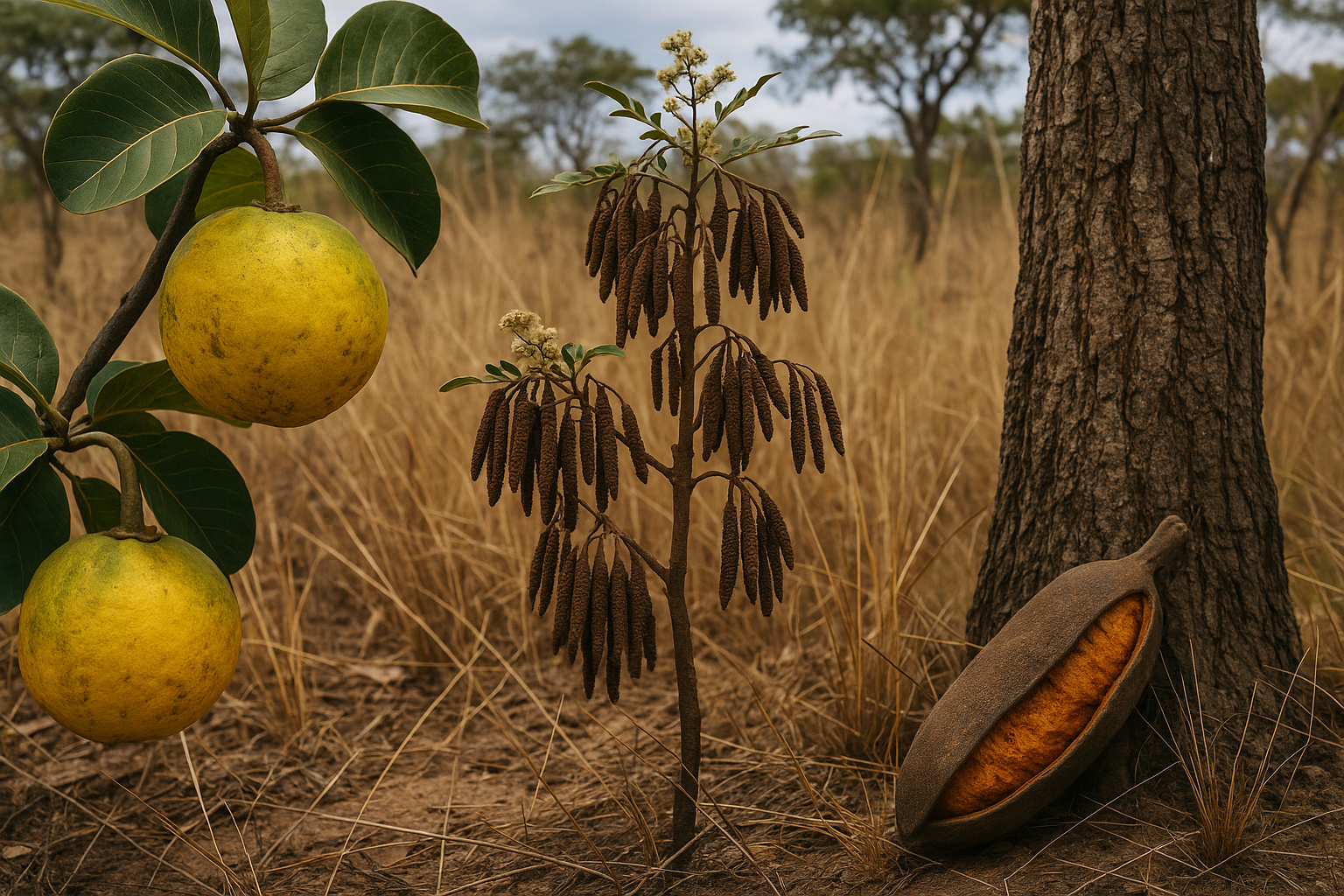

Growing Risk for Traditional Species of the Cerrado
Cerrado medicinal plants may disappear by 2060, and in addition research from Renac-UEG published in Biodiversity and Conservation (Springer Nature) emphasizes the severity of the scenario.
The study points to a reduction of up to 64% in areas suitable for cultivation, and therefore more than 100 species, including pequi, barbatimão, and jatobá-do-cerrado, face a real risk.
Direct Impacts of Climate Change
The survey was conducted by the Graduate Program in Natural Resources of the Cerrado (Renac-UEG) with support from IFG, UFBA, UFPE, and UFG, and in addition utilized extensive climate modeling.
The team applied species distribution models under global climate scenarios, and thus identified concerning patterns.
The results show significant habitat retraction, and consequently this results from global warming and changes in rainfall patterns.
Species Migration and Savannization Risk
A possible migration of Cerrado plants to the Amazon may occur due to savannization, and therefore this requires attention.
In this process, Amazonian areas become drier and more open, and on the other hand start to resemble the structure of the Cerrado.
Although it may initially seem beneficial, this displacement can destabilize local ecosystems, and therefore concerns specialists.
It can also alter the structure of the humid tropical rainforest, and thus exacerbate environmental tensions.
-
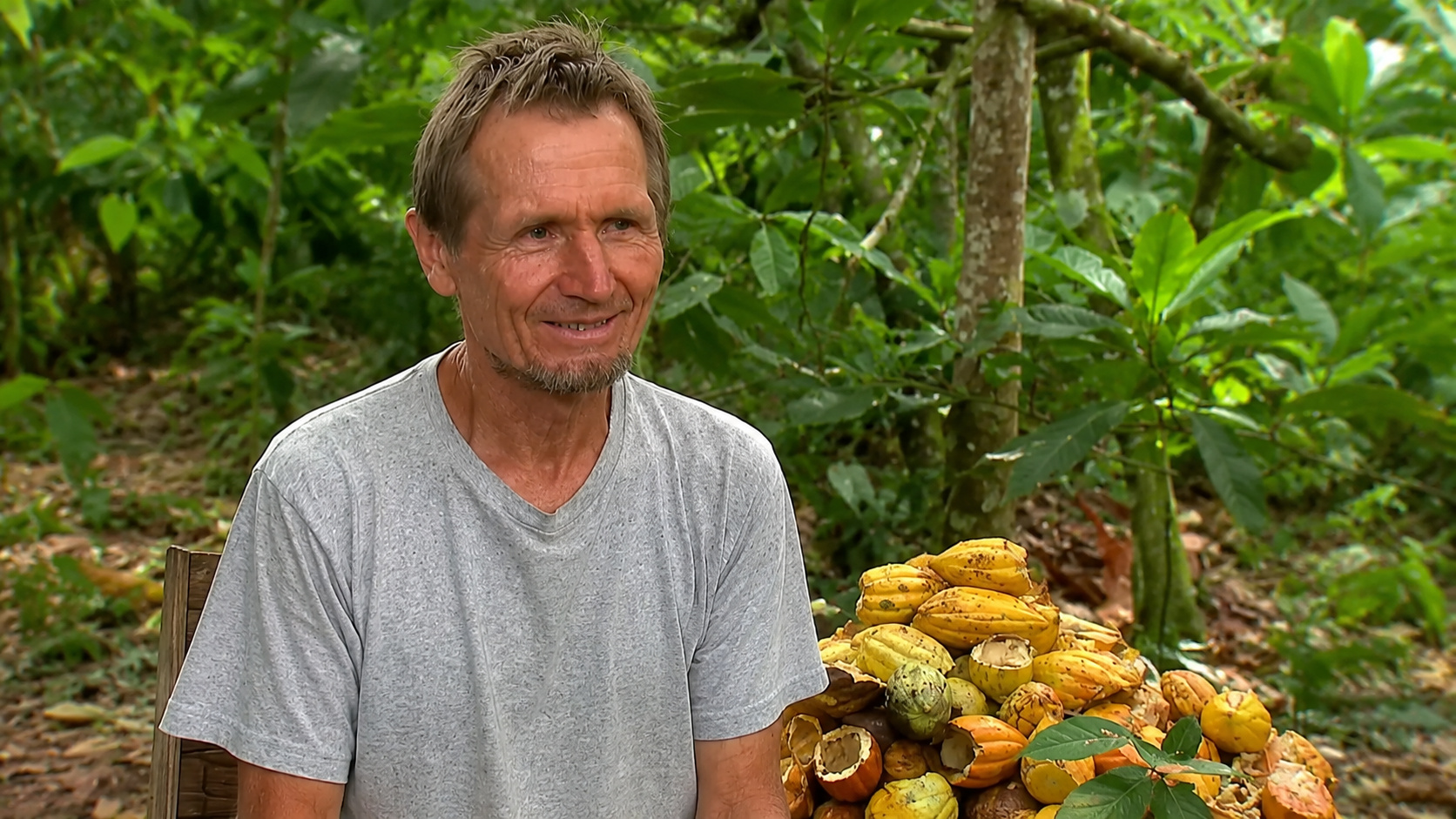
Farmer Revives Arid, Abandoned Land in Brazil’s Bahia into Thriving Forest, Demonstrates How ‘Syntropic Agriculture’ Can Transform Rural Futures

-
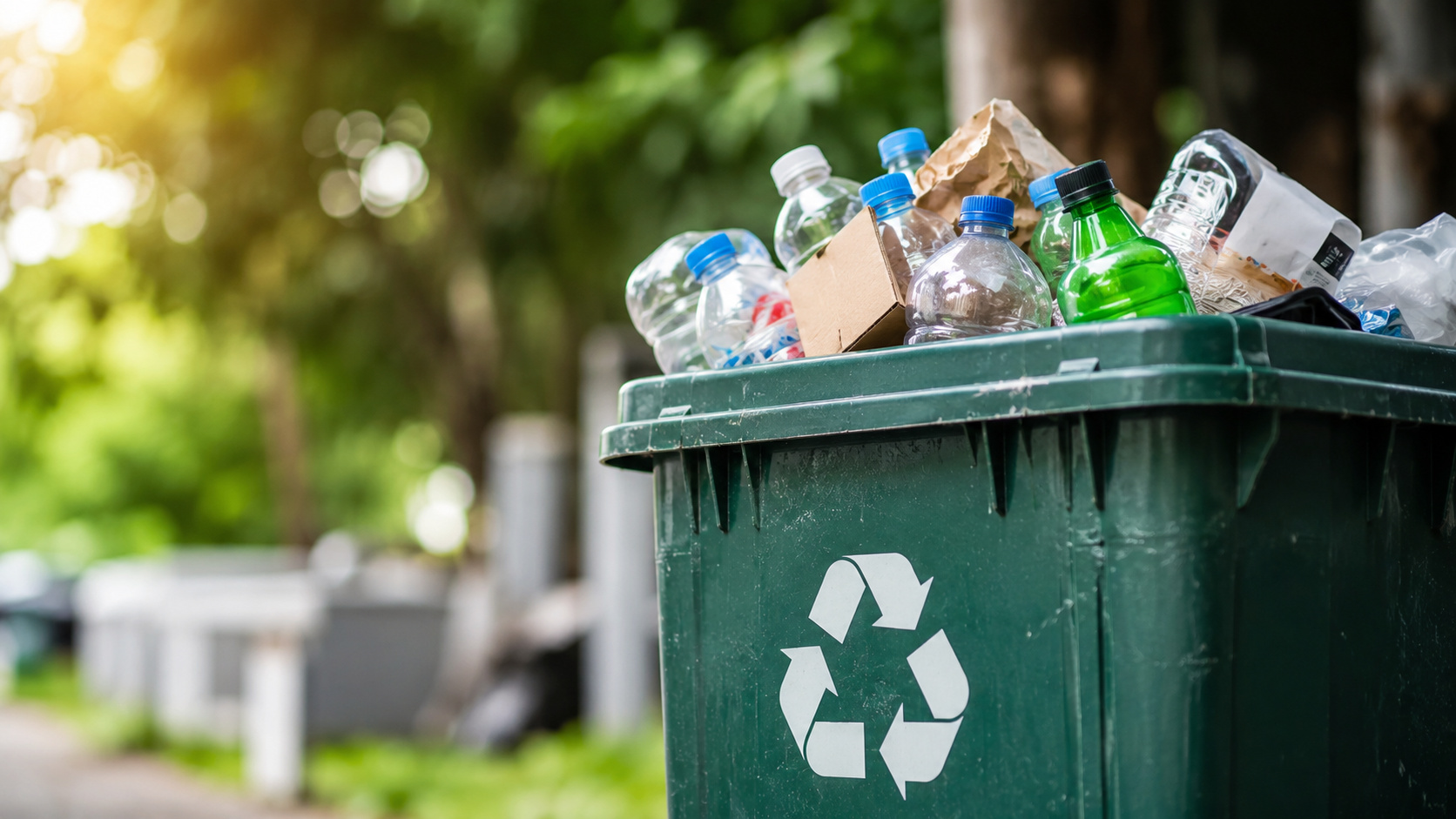
Study Reveals 40% of Brazilians Unaware of Circular Economy, Highlighting Challenges in Sustainable Transition and Recycling Expansion
-
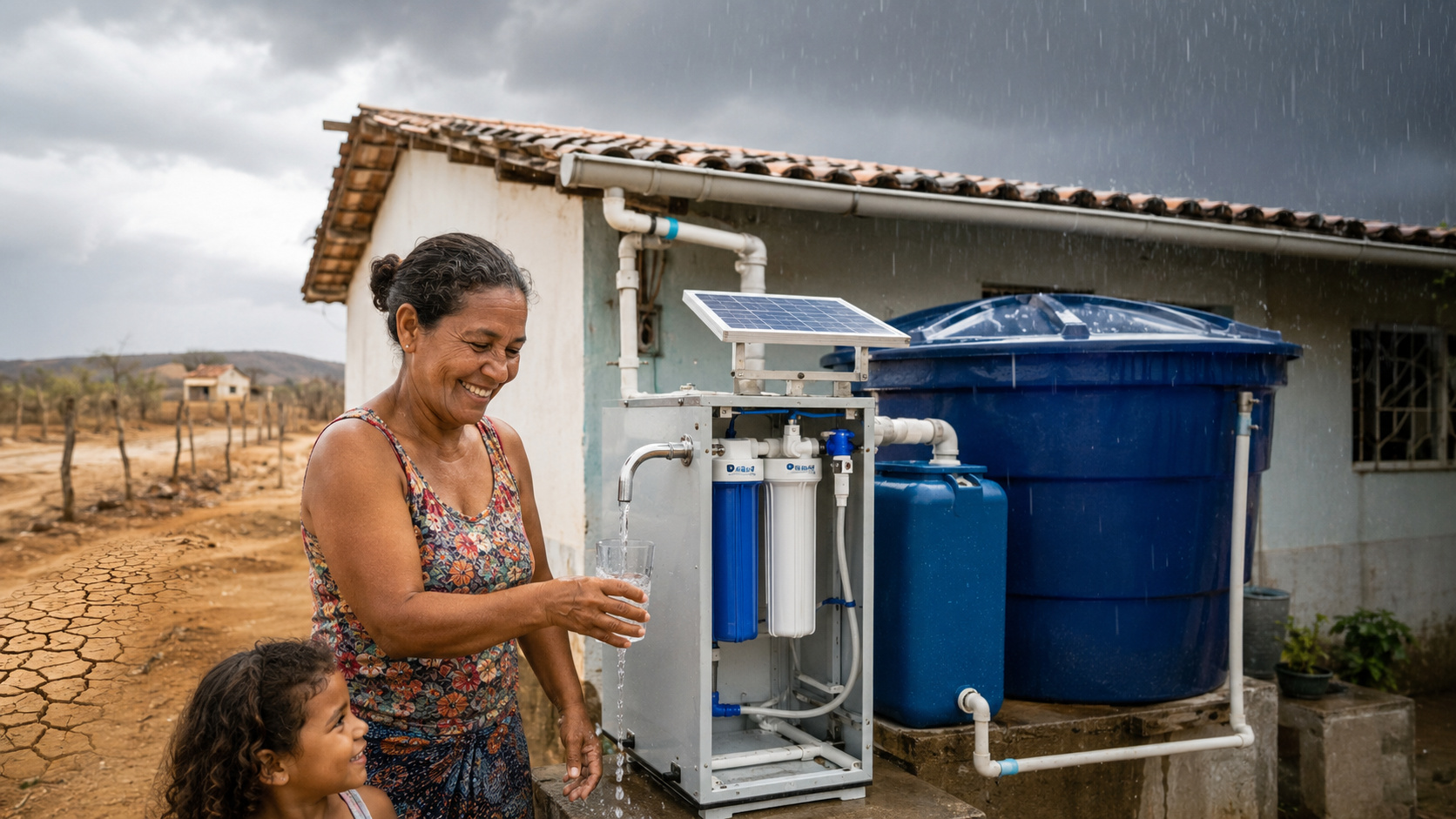
Brazilian Startup Converts Rain into Potable Water Without Chemicals, Surpasses 10 Million Liters, Joins $1.2 Million Project to Bring Simple Technology to Drought-Stricken Areas in Northeast Brazil
-
Brazilian Company Innovates with Treated Water Billing Model, Surpassing 10 Billion Liters and Offering Up to 40% Savings for Large Industries

Evaluation by Specialists
According to biologist Leonardo Almeida Guerra dos Santos, savanization represents a profound and undesirable change, and therefore threatens the Amazonian balance.
This transformation affects medicinal plants, and in addition harms traditional use by local communities.
The researcher emphasizes that models guide more assertive governmental actions, and thus allow for better planning.
Paths to Conservation
The study suggests that environmental agencies can create new protected areas, and therefore preserve regions of climatic refuge.
The research recommends assisted migration plans, and in addition indicates prioritization of the most threatened species.
It also advocates for integrated conservation policies involving Cerrado and Amazon managers, and thus enables joint responses.








