Portuguese
  Spanish


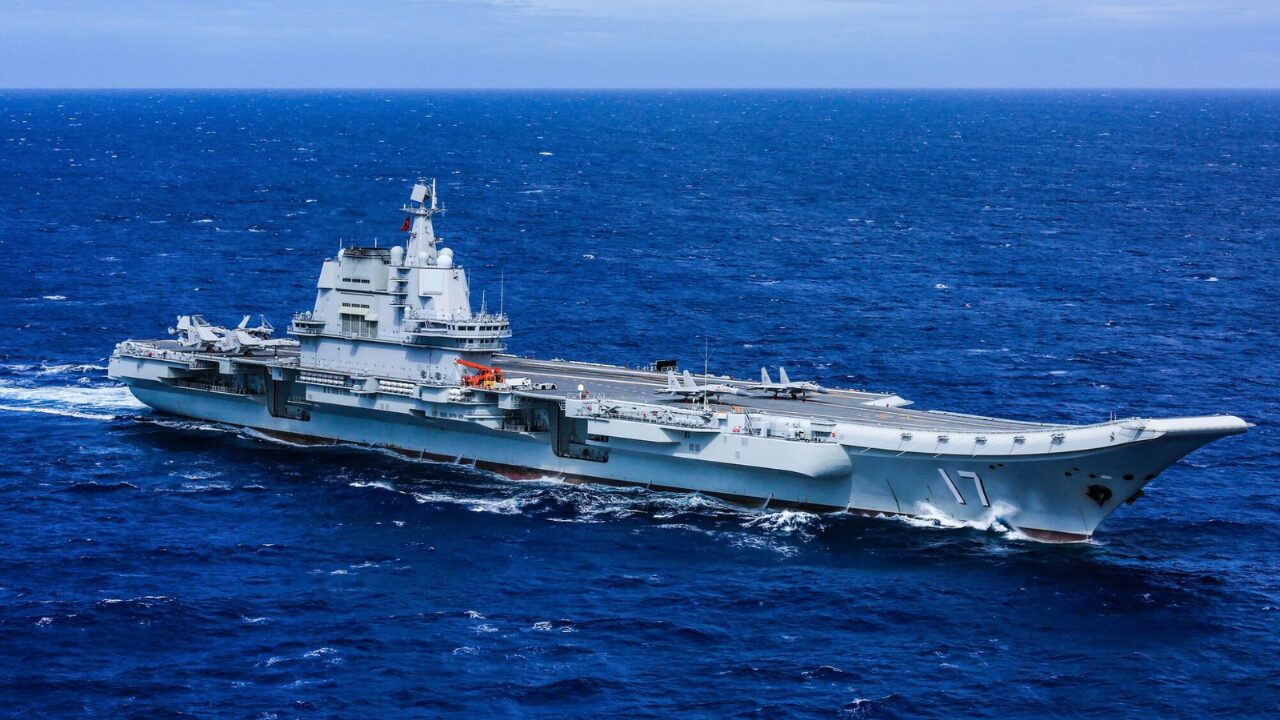

China Mobilized The Aircraft Carrier Shandong Near The Philippines During Balikatan Exercises In Response To US-Philippines Military Cooperation, Reinforcing Its Naval Presence In The Indo-Pacific Region.
Amid the start of Balikatan 2025 — one of the largest joint military exercises between the United States and the Philippines — China increased its naval presence in the region by deploying the aircraft carrier Shandong and an escort fleet to areas close to northern Filipino waters.
The maneuver, according to analysts, is a clear response to the growing strategic rapprochement between Washington and Manila in the Indo-Pacific.
Chinese Aircraft Carrier Shandong Operates Just Miles From Filipino Territory
According to reports, the Shandong was spotted on April 22 approximately 185 km northwest of Burgos, on the island of Luzon.
-
North Korean Fiasco: Launch of the Largest Warship Ends in Sinking

-
While giant ships still burn heavy fuel and the maritime sector races against climate targets, Maersk and Vale are starting to bet on ethanol as a new route to reduce emissions at sea.

-
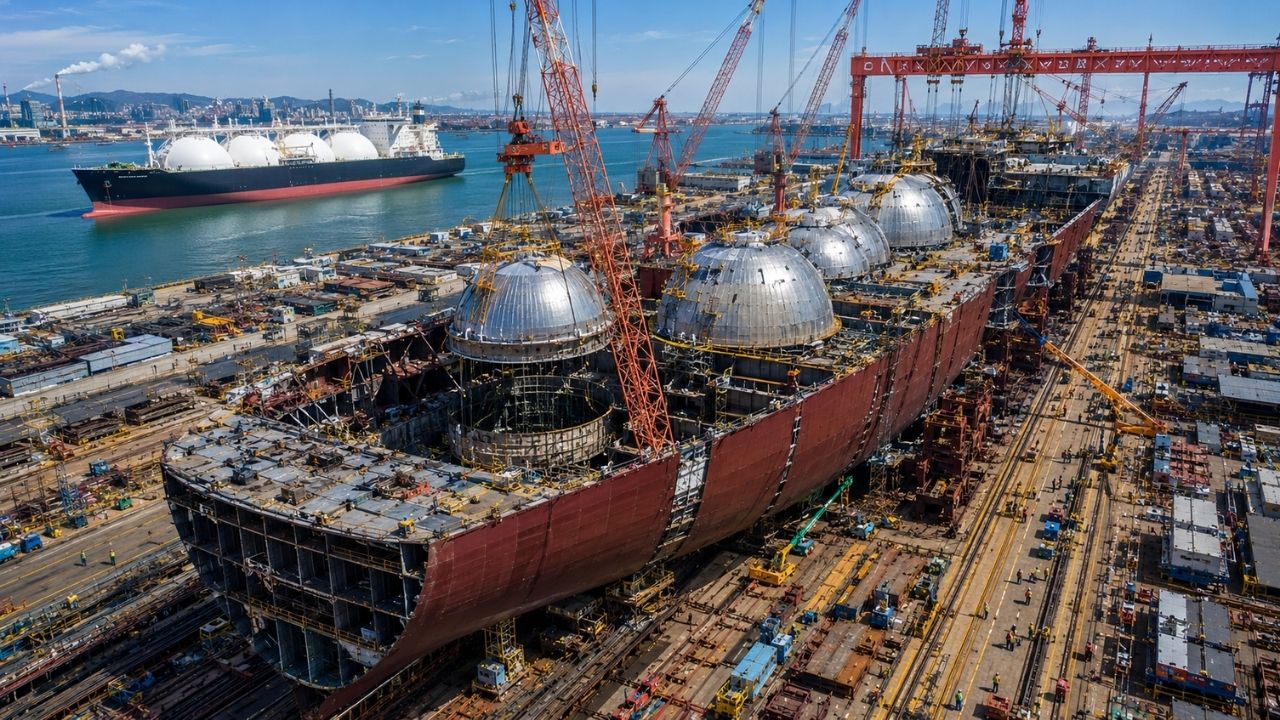
China begins construction of the world’s largest LNG ship, a 344-meter giant capable of supplying 4.7 million homes for a month, carrying 271,000 m³ of gas, and placing QatarEnergy in the largest naval order ever recorded in world history.
-
China is designing a container ship with a thorium nuclear reactor that will operate for 40 years without refueling, and the 25,000-container giant from Jiangnan Shipyard will cross oceans without emitting carbon in an industry that burns 300 million tons of fuel per year.



Accompanied by six destroyers and frigates, as well as two support ships, the Chinese naval group conducted around 130 aircraft takeoff and landing exercises over a period of three days.
The aircraft carrier’s movement brought it as close as 2.23 nautical miles from the Babuyan Islands — within the Philippine archipelagic waters.
For the Japanese Ministry of Defense, this is a significant movement, especially given its proximity to areas of strategic interest.
Balikatan Exercises Bring Together Allied Forces And Advanced Technology
Balikatan 2025, which takes place from April 21 to May 9, involves more than 14,000 American and Filipino troops, with additional participation from Australia and Japan.
Activities cover areas such as the Luzon Strait and the South China Sea, focusing on regional defense and strategic cooperation.
A highlight of this year’s edition, the NMESIS anti-ship missile system was positioned by the US on Batan Island, near Taiwan.
The weaponry, with a range of over 185 km, was used in real tests during the joint exercises, enhancing the response capability of allied forces.
Authorities Monitor But Downplay Impact Of Chinese Presence
Although the approach of China’s naval fleet has drawn international attention, Philippine Navy Rear Admiral Roy Vincent Trinidad stated that the incident was monitored without alarm.
According to him, the passage occurred continuously and within the provisions of the United Nations Convention on the Law of the Sea (UNCLOS).
Experts Point To A Clear Message From Beijing
For military analysts, the movement was not random. Researcher Collin Koh from the S. Rajaratnam School of International Studies highlighted that the Shandong avoids repeating routes, suggesting a deliberate objective: “to demonstrate strength in the face of the Balikatan maneuvers.”
In the same vein, Malcolm Davis from the Australian Strategic Policy Institute stated that China not only seeks to showcase its naval capabilities but also to closely monitor the military exercises of allied nations: “They want to observe and, at the same time, make it clear that they are attentive to what is happening near their maritime borders,” he added.