Portuguese
  Spanish


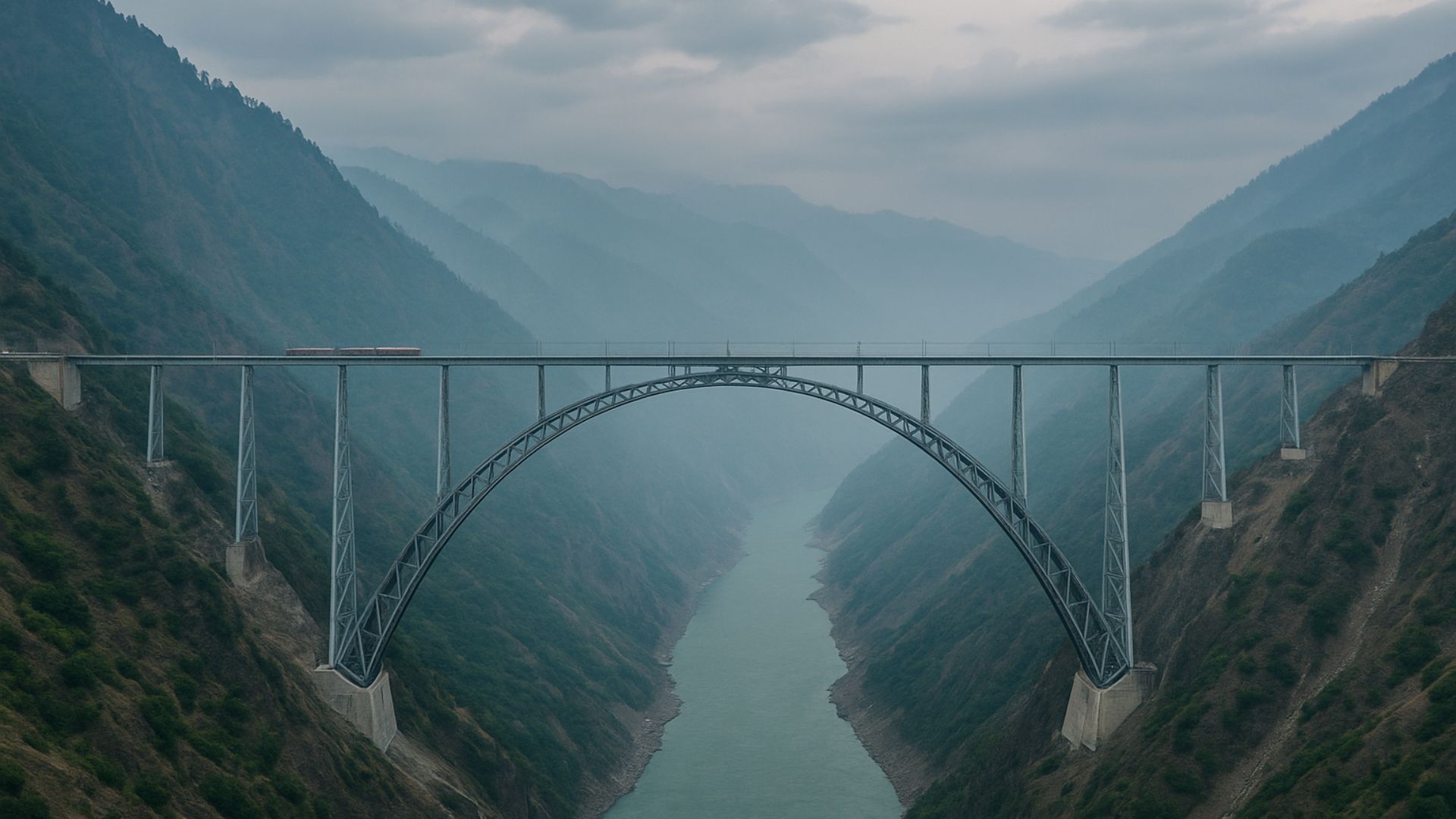


The Grand Chenab Rail Bridge Redefines the Limits of Indian Engineering and Integrates a Route with Almost a Thousand Bridges and Dozens of Tunnels, Shortening the Journey to Srinagar and Establishing a New World Record.
Between the cliffs of the Chenab Valley, in northern India, a large metal structure allows trains to cross one of the most rugged terrains in the Kashmir region.
This is the Chenab Rail Bridge, regarded by official bodies of the country as the highest arch railway bridge in the world, with a height of 359 meters above the bed of the Chenab River.
The work is part of the Udhampur–Srinagar–Baramulla Rail Link (USBRL), a 272-kilometer project planned to link the Jammu region to the Srinagar valley.
-
Trans-Siberian Railway’s New Sister Line, BAM, Stretches 4,300 km Through Permafrost and Seismic Zones in Northern Russia

-
180-Year-Old Bridge Disappears from Brazilian Farm, Found 180km Away, Sparks Investigation into Illegal Sale of Historical Heritage

-
Brazil’s Defunct Railway Network Leaves Over 100,000 Properties Abandoned for Nearly 30 Years, Facing Neglect and Safety Risks as Government Struggles to Regulate Assets Amid Degraded Stations and Unlawful Use

-
Belo Horizonte’s Beltway Project Risks Losing $5 Billion to Metro Expansion if Court Doesn’t Act Soon; State Government Plans New Lines with IDB Support




According to the Indian government, the bridge became operational along with the release of passenger traffic on the railway corridor, which allowed for a reduction in travel time between Katra and Srinagar to about three hours, a performance attributed to new trains and the consistency of the route compared to road routes affected by snow and landslides.
Engineering at Altitude and World Record
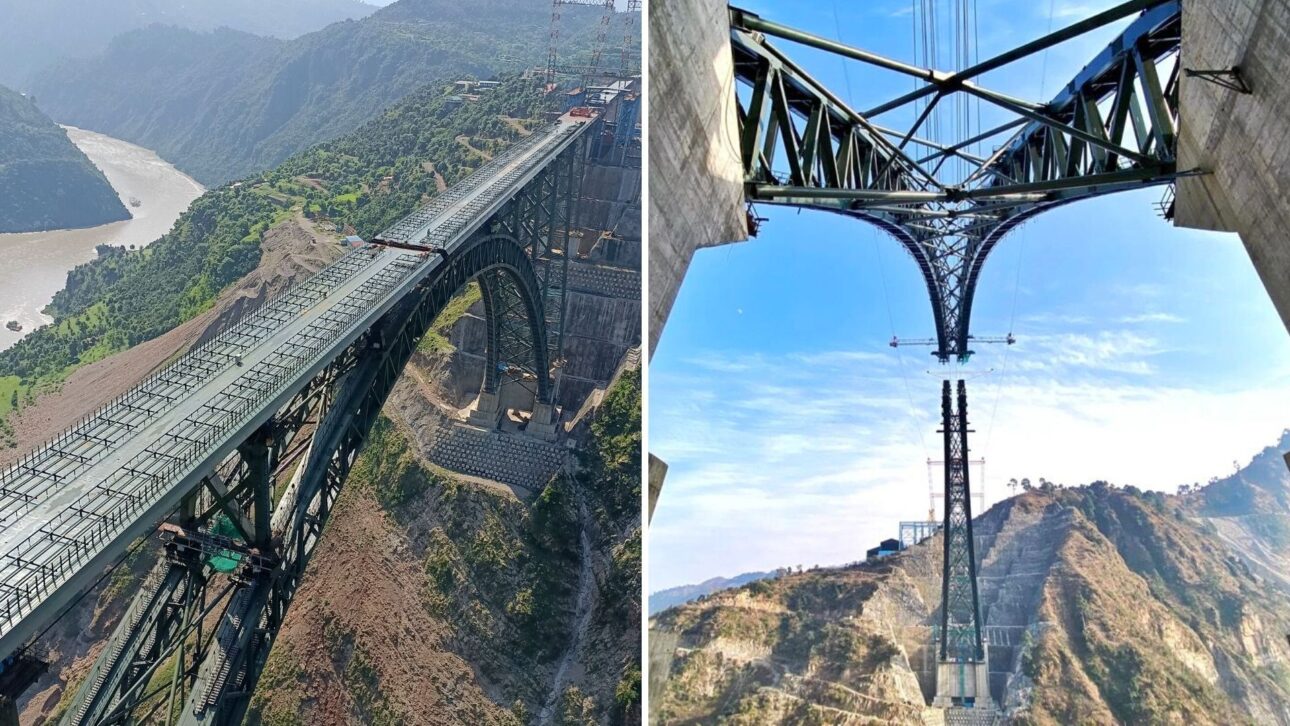
Located in the Reasi district of Jammu and Kashmir, the bridge has a length of 1,315 meters and combines a main steel arch with approach viaducts that overcome the canyon’s height difference.
According to official data, the title of “highest in the world” comes from the vertical difference between the deck and the riverbed.
The Ministry of Railways of India states that the project required specific solutions for foundations, wind protection, and vibration control, factors deemed essential for safe operation of passenger and freight trains in a mountainous environment.
USBRL: Complex Work with 36 Tunnels and 943 Bridges
The USBRL was developed to ensure permanent rail connection between the Jammu and Srinagar regions, overcoming severe weather conditions and unstable terrain.
The layout includes 36 tunnels and 943 bridges, which, according to Indian authorities, illustrates the degree of logistical and geotechnical complexity of the project.
Infrastructure experts consulted by local media indicate that the integration of the valley into the national railway network is likely to reduce dependence on roadways and enhance the regular transport of goods, services, and tourists.
Operation and Impact on Mobility
With the start of regular services, the government linked the new transport standard to the use of Vande Bharat electric trains, manufactured in India.
The full operation of the corridor should, according to the railway authority, provide more predictable travel throughout the year, even under harsh winter conditions.
The official expectation is that the project will promote economic integration of Kashmir and strengthen local tourism, which has traditionally been affected by road traffic interruptions.
Metal Structure and Technical Parameters
The Chenab Rail Bridge uses a steel arch to support the railway deck through trusses and connections designed to withstand combined loads of wind, temperature, and earthquakes.
The project anticipates a lifespan of 120 years and resistance to winds exceeding 260 km/h, according to technical documents released by the Indian government.
According to engineers involved in the project, the structural sizing was based on international criteria for comfort and safety for operation at altitude.
Modular Assembly and Restricted Access
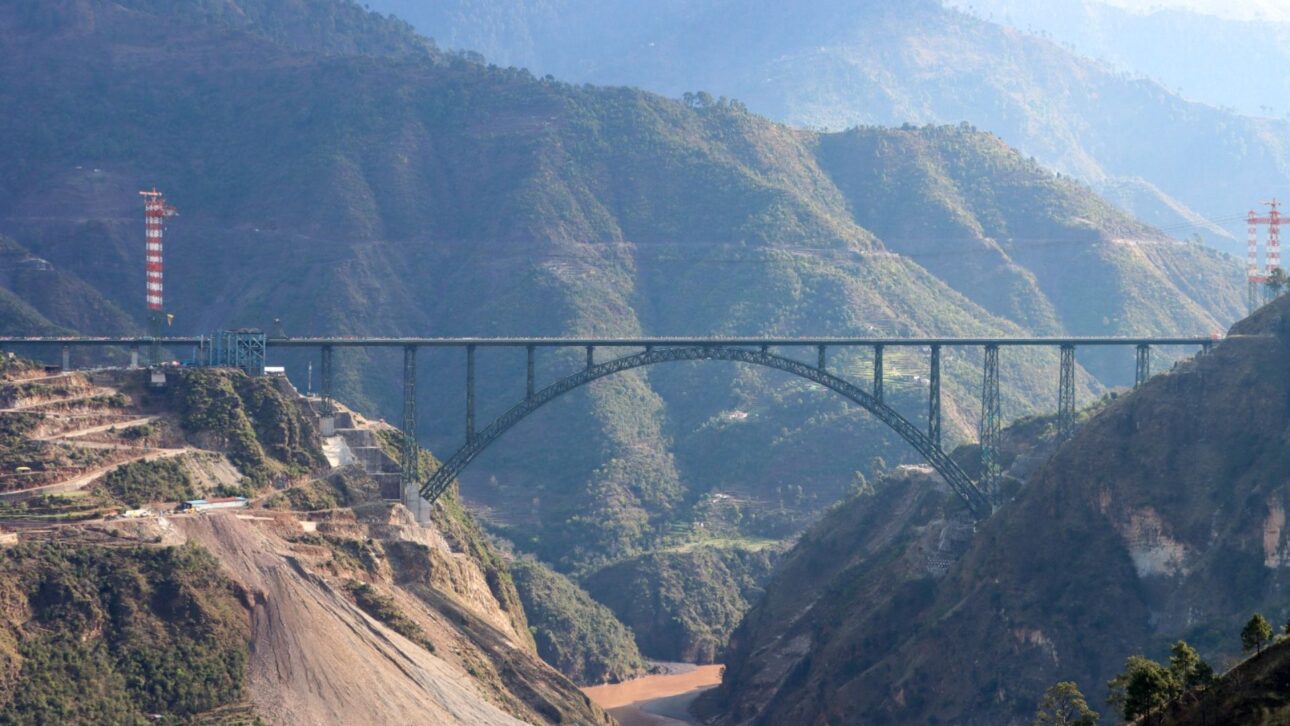
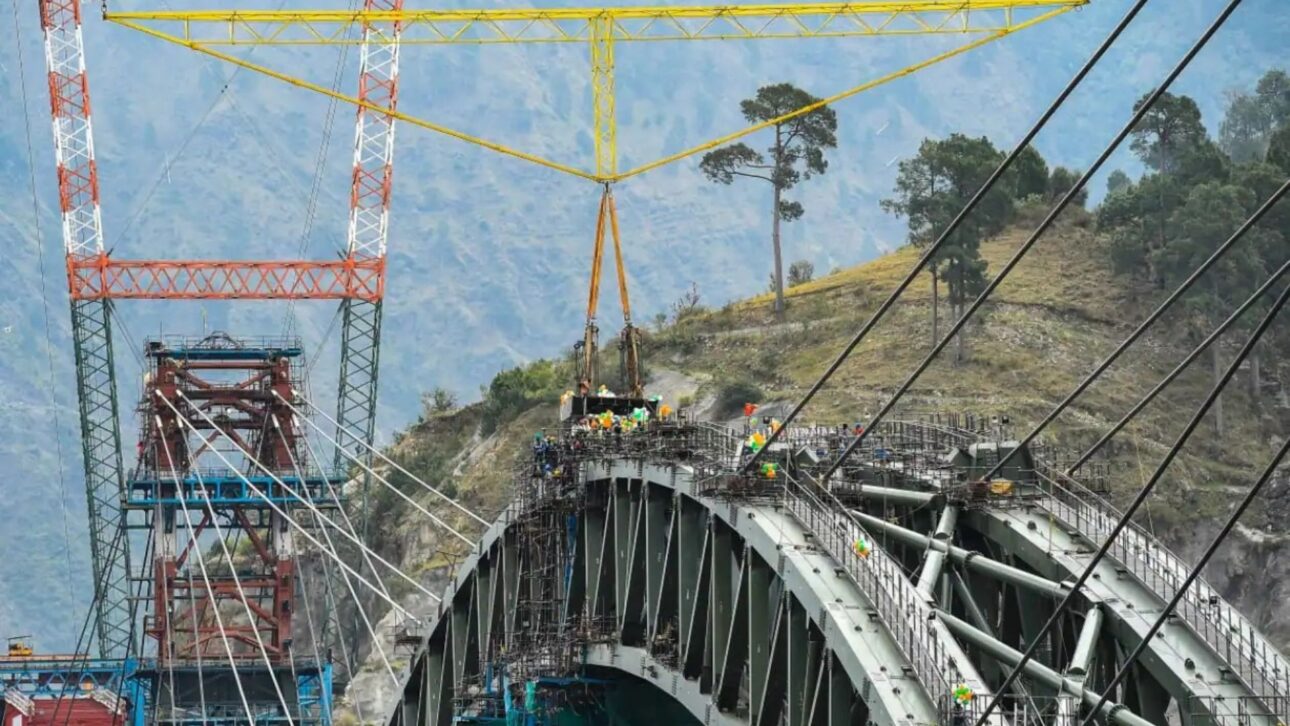
The construction method adopted involved modular assembly with progressive closure of the arch, preceded by anchoring and stabilization by cables.
This approach, according to reports from the Ministry of Railways, allowed for a reduction in direct interventions in the riverbed and minimized risks in a limited access environment.
The approach viaducts were built with metal and concrete pillars, adapted to the layout of tunnels that emerge from the slopes.
The model sought to balance safety, logistics, and execution schedule under restrictive weather conditions.
Safety and Continuous Monitoring
Operation in the corridor is monitored by systems of permanent communication between control centers and operational posts.
Authorities emphasize that the set of works of the USBRL was designed to withstand seismic events and extreme temperature variations, critical factors for maintaining the permanent track and equipment.
According to railway sector technicians, the sequential arrangement of tunnels, bridges, and viaducts at short distances requires reinforced inspection and continuous monitoring protocols, especially in the early stages of operation.
International Impact and Technical References
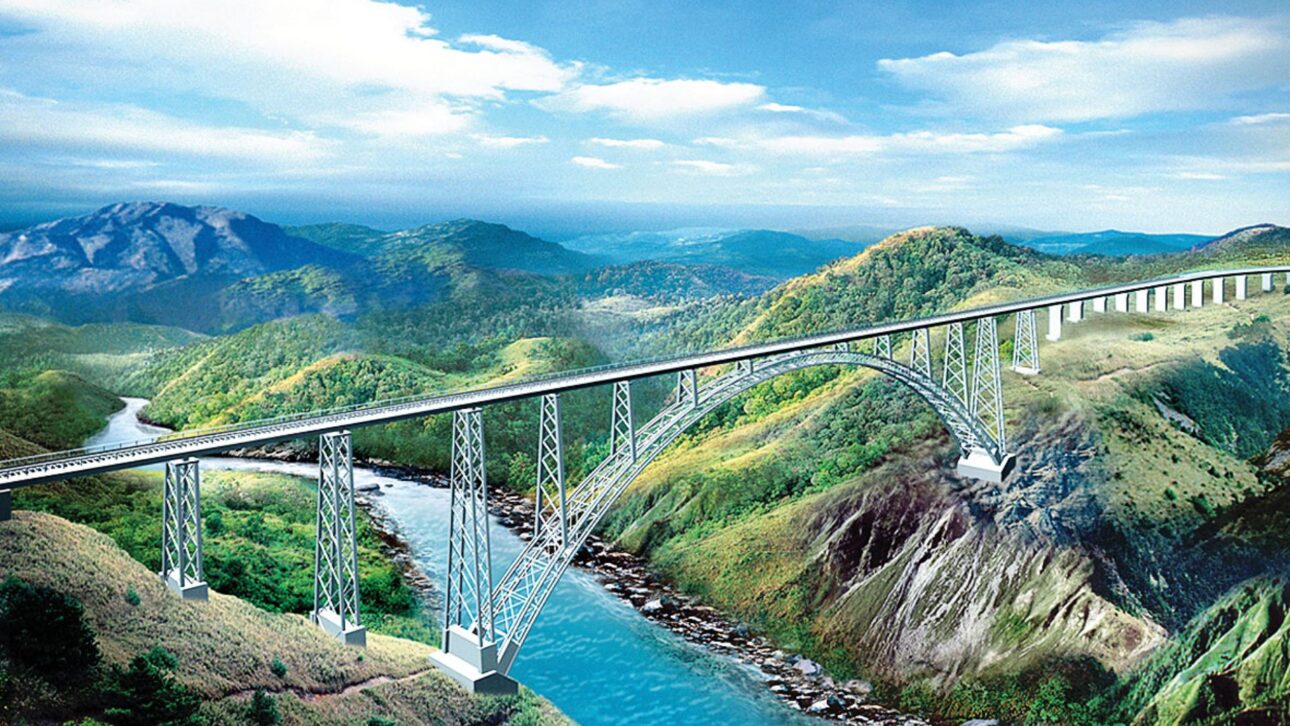
The bridge attracted international attention for combining height record and practical importance for the connectivity of Kashmir.
Reports from foreign media, such as The Independent and The Times of India, classified the undertaking as a milestone in engineering and regional integration.
Experts consulted by the Indian press emphasize that the project contributes to diversifying internal transport and serves as a technical basis for future works in mountainous regions.
Parallel with Brazilian Engineering
In the Brazilian context, a possible comparison is with the Viaduct 13 (V13), located on the Wheat Railway in Rio Grande do Sul.
With a height of 143 meters and length of 509 meters, the V13 is the highest railway structure in the country and South America.
Brazilian engineers consulted by technical publications state that, although on a smaller scale, the V13 presents similar challenges of maintenance and structural safety, allowing for the context of the Indian achievement.
Perspectives and Monitoring of the Project
The Chenab Rail Bridge now becomes part of the set of major railway works of the 21st century and, according to infrastructure analysts, should serve as a reference for countries with complex geography and growing logistical demands.
The technical and economic evaluation of the Indian corridor depends on medium-term performance data, such as passenger flow, maintenance costs, and travel regularity, which should be disclosed as operations progress.
Considering the scope of the project and the benefits presented, what other railway work in the world do you consider capable of uniting technical record and direct impact on travel time?