






 Portuguese
  Spanish
  5 min of reading
  2 comments


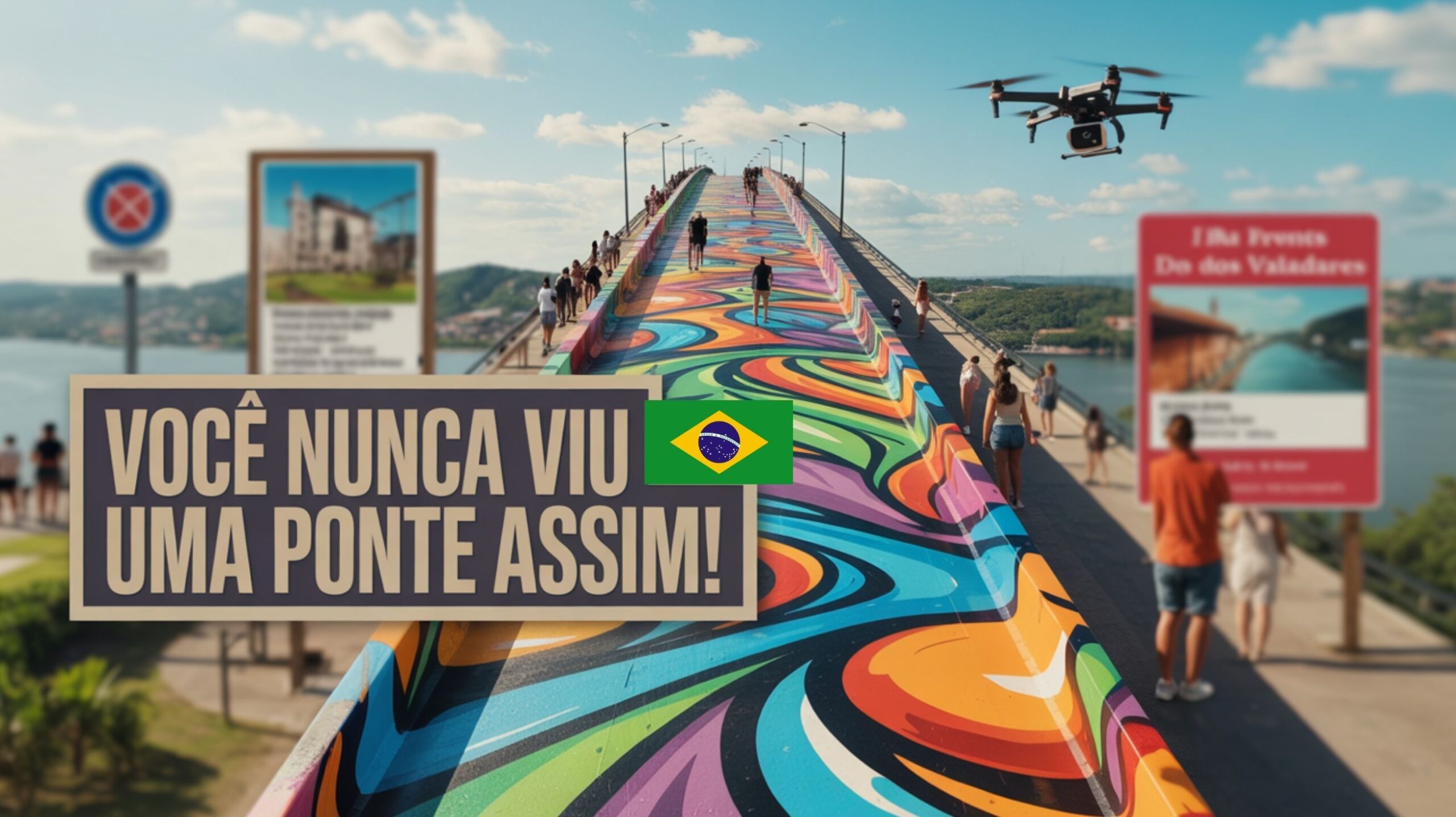


Artistic Intervention Transforms Bridge into Cultural Reference and Boosts Tourism in the Paraná Coast with Immediate Impact on the Local Economy.
On the Paraná coast, in Paranaguá, an artistic intervention transformed a bridge into the main attraction for residents and visitors.
With a 1,500 square meter painting, the walkway connecting the historic center to Valadares Island gained vibrant colors in May 2025, becoming known as the “most colorful bridge in the world”.
Right at the start, the key information: the work was completed on May 1st and has already generated a positive impact on local tourism.
-
They planted a sea of eucalyptus to produce cellulose, but the monoculture turned into a green desert, dried up springs and rivers, and pushed families out of regions in Minas Gerais and Bahia.

-
Coal mine purchased for $2 million in Wyoming, the Brook Mine holds rare earth elements and critical minerals estimated at up to $37 billion, in an asset that the US is competing for with China.
-
The most common mistake when storing eggs is leaving them in the refrigerator door, where temperature fluctuations crack the shell, remove the cuticle, and cause them to lose freshness, with a risk of contamination.
-
A city has planted 880,000 trees and 2.5 million smaller plants since 2016, reduced the temperature by up to 3°C in some areas, and won an international award for using vegetation to combat urban heat in Colombia.


The 294-meter crossing, traditionally used by pedestrians and cyclists, gained a new function – it became a symbol of Paranguara cultural identity.
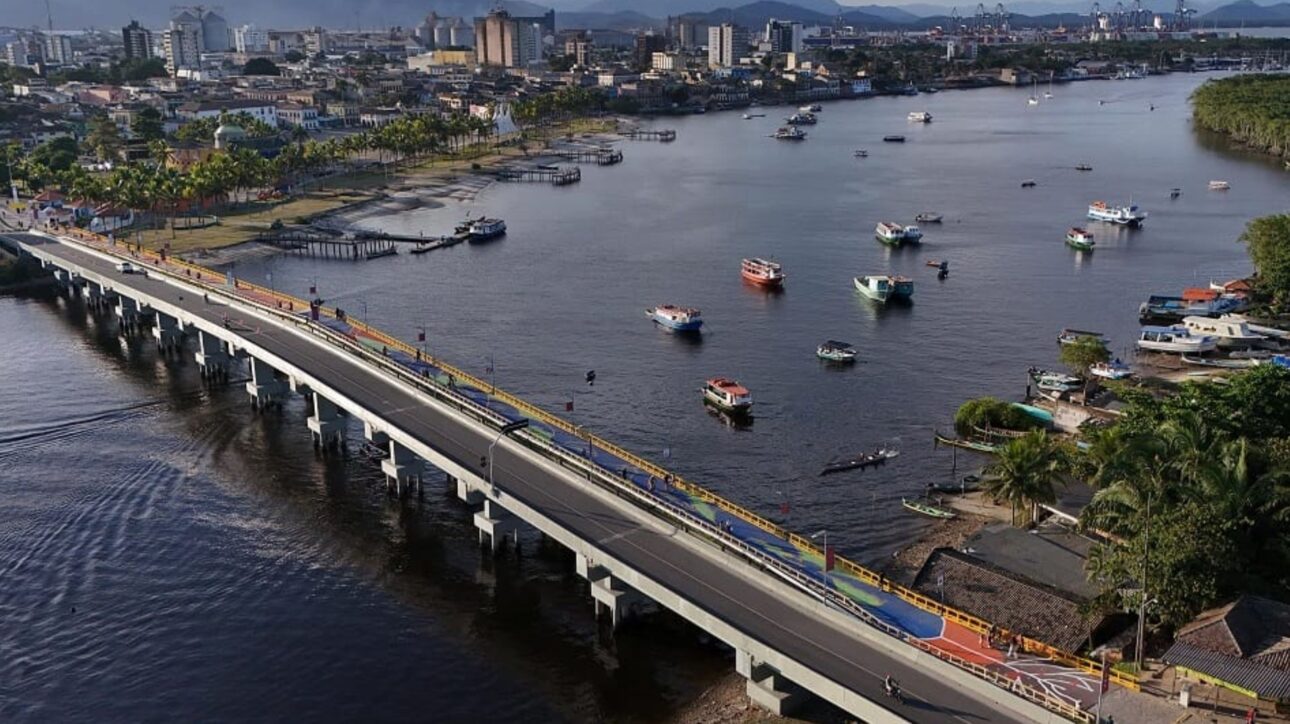
Project Andada Transforms Bridge into a Work of Art
The initiative, officially called “Project Andada” and organized by the collective Paranaguá Mais Cores, involved the collaboration of about 300 people including volunteer artists and local residents.
Civic events took place at the end of April, including night painting activities to avoid disrupting traffic, cleaning up the mangroves, and an artistic design inspired by caiçara culture, featuring symbolic elements like crabs and mangroves.
Cultural Initiative Receives Institutional and Community Support
According to the creators, the goal was clear: to revitalize the walkway, which previously had a gray aesthetic, and offer the community a new gathering place and boost self-esteem.
Gio Negromonte, lawyer, artist, and project coordinator, highlighted that, as far as he researched, there is no record of an urban intervention covering a larger area than this – making it possible to claim it is the most colorful bridge in the world by length.
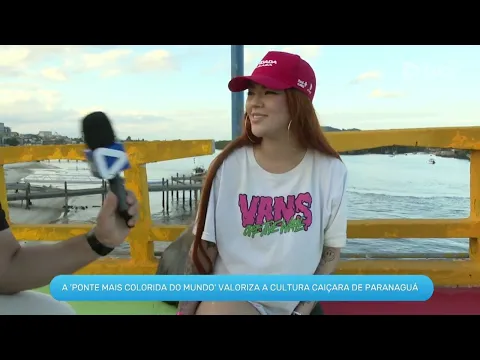

The initiative was made possible through the State Program for Promotion and Incentive to Culture (Profice), from the Paraná State Department of Culture, with support from Copel, Portos do Paraná, and the Municipal Government, which contributed to logistics and infrastructure.
There was also a partnership with the NGO Guardians of the Mangroves, engaging in environmental sustainability practices during the work.
Cultural Tourism Grows with New Attraction on the Paraná Coast
The Government of Paraná and Adetur Litoral report an increase in visitor flow since the inauguration of the painting, especially among domestic tourists.
Irapuan Cortes, director of the Viaje Paraná program, states that the project strengthens cultural and community tourism in the region.
Patrícia Assis, a representative from Adetur, sees the action as a “leap in valuing the Coast”.
With more people circulating in Paranaguá, the local commerce – from bars and restaurants to craft stores – is recording an increase in sales.
The bridge, besides being a passage space, has also become a setting for photos and events, expanding its reach on social media and in the media.
Paranaguá Rescues Cultural Identity with Urban Art
Paranaguá, a city founded in 1648 and the oldest in the state, is a historical and tourist hub of Paraná, with an estimated population of about 140,000 inhabitants in 2022.
Its port – Porto Dom Pedro II – is the foundation of the local economy, but tourism has also gained ground, especially with natural attractions (like Ilha do Mel) and cultural events, such as the Festa de Nossa Senhora do Rocio and caiçara manifestations.
The bridge from Valadares Island, which was merely utilitarian, has been redesigned with colorful graphics of nature and elements from caiçara culture, reclaiming regional references and adding symbolic value to the surroundings.
Logistics and Civic Engagement Allowed Collaborative Action
The intervention occurred in stages: preparation starting April 23, manual painting for seven days, and a painting civic event on the May 1st holiday.
During the civic events, around 70 to 80 people per shift spread paint on the metal structures, always under supervision to ensure safety.
Traditional barreado (caiçara dish) was also offered to volunteers and participants, reinforcing cultural integration.
The choice of Labor Day for painting was strategic: by employing volunteers, artists, and residents on the holiday, the project strengthened the connection of the bridge with the daily lives of those who work and live in the island region, bringing together art, memory, and collective occupation.
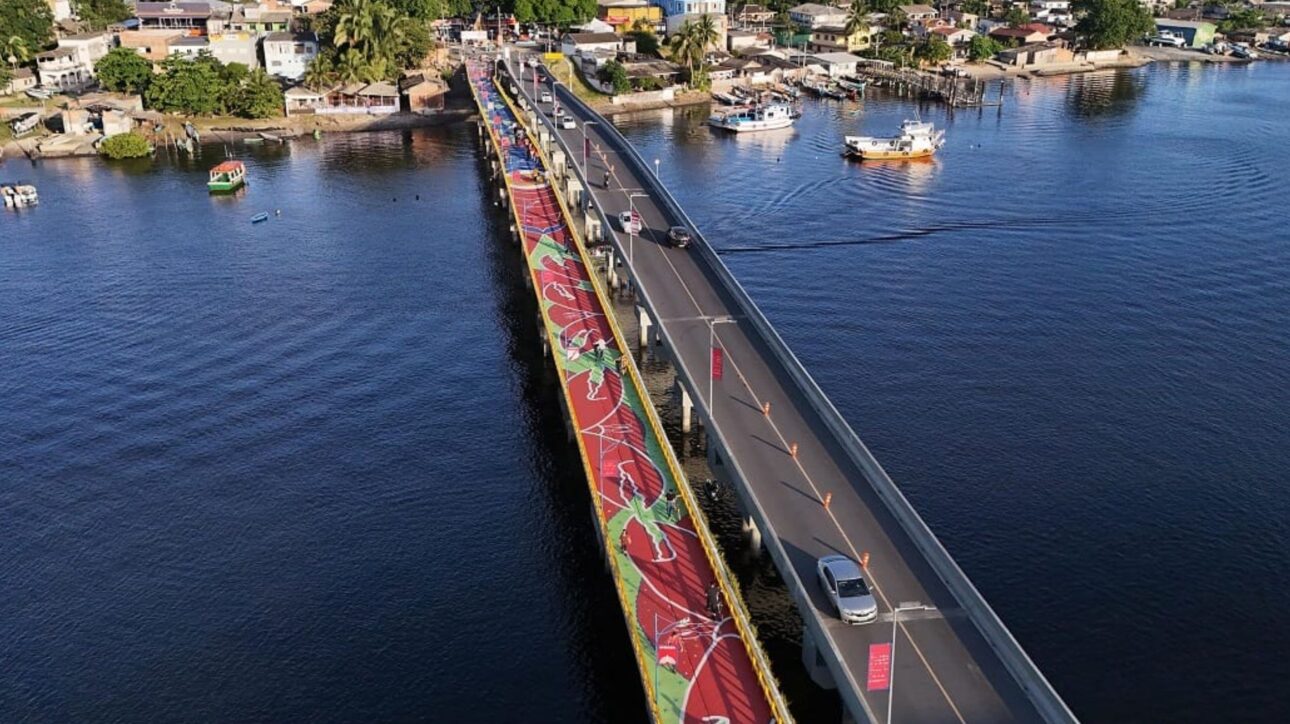
Community Transforms Urban Space into Cultural Heritage
For the creators, the result goes beyond the color: the bridge has become a landmark of self-esteem and belonging.
Negromonte emphasizes the challenge of the project’s scale (1,500 to 1,700 m²): it was only possible due to the intense involvement of the population and coordinated logistics, with drones for visualizing the designs and technical support for infrastructure.
What was once a simple passage over the mangroves of the bay has turned into a meeting place, a living history, and a permanent attraction.
There are currently no plans for new artistic phases in other areas, but the success of the project may inspire similar initiatives in coastal cities of the state.
The transformation of the Valadares Island bridge into a tourist attraction is the result of an intervention that united art, culture, and sustainability, generating immediate economic and social impact in Paranaguá.
Carried out in civic events from April to May 2025, the Project Andada involved artists, residents, and public and private support to color 1,500 square meters, reinforce caiçara identity, and encourage tourism.
The lingering question is: can this experience spread to other cities along the Paraná coast, expanding the state’s artistic and cultural map?



Muito bom
Sim pode e deve espalhar para outras cidades paranaenses, espalhando sempre a cultura e turismo do do nosso grande Estado no. Parabéns aos idealizadores/artistas locais.