






 Portuguese
  Spanish


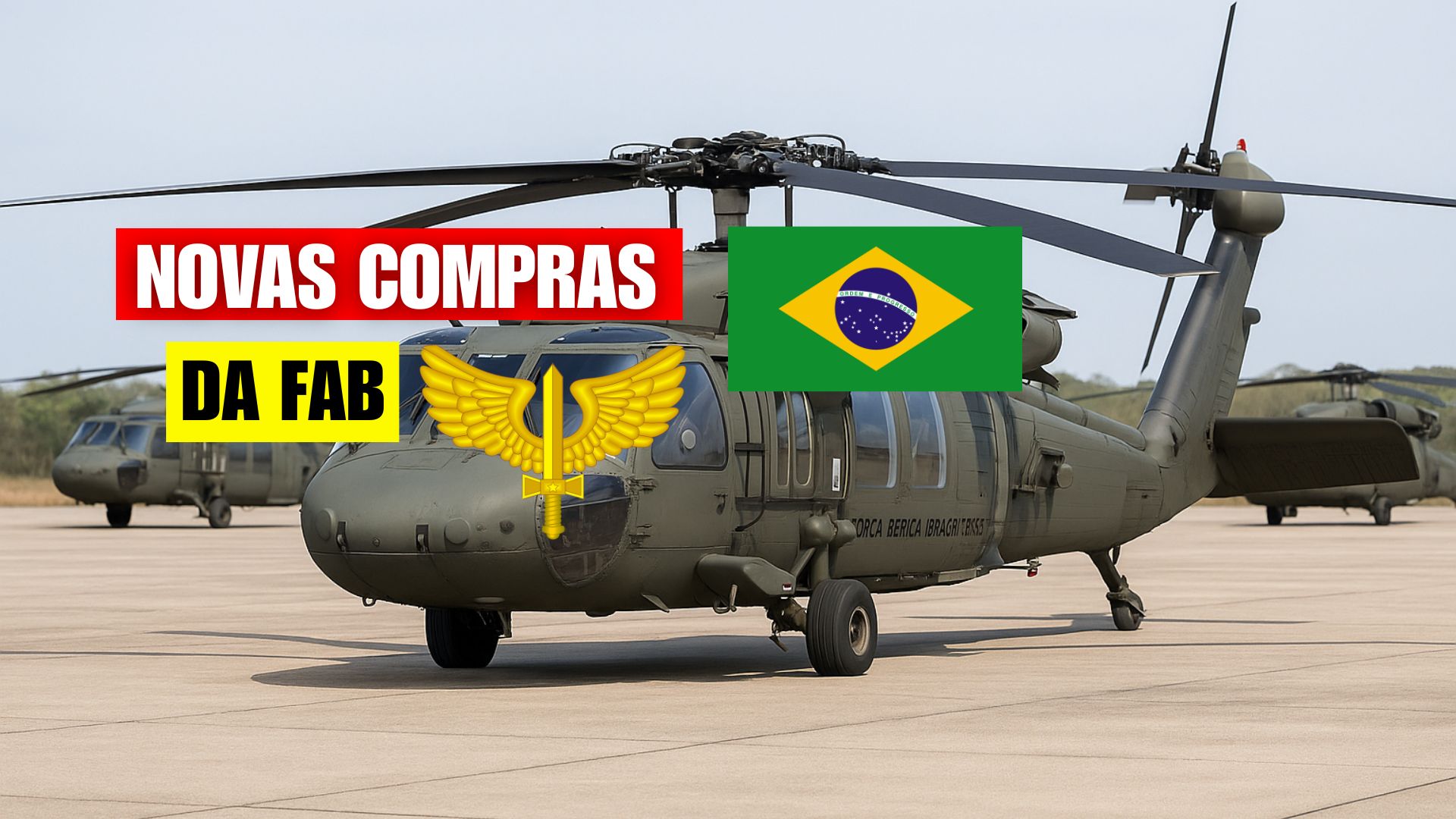

The Direct Purchase of 11 Black Hawk Helicopters by the Brazilian Air Force Without Bidding Involves Negotiations with the United States and Promises Immediate Impact on the Military Fleet and Trade Relations Between the Two Countries.
The Brazilian Air Force intends to acquire 11 UH-60L Black Hawk helicopters from the United States for about US$ 229.9 million (approximately R$ 1.2 billion), with waiving of bidding.
According to the government, the purchase will be made directly from an authorized exclusive supplier, within the BEST program (Blackhawk Exchange Sales Team) of the U.S. Army.
The announcement comes at a time when Brazil and the U.S. are negotiating the removal of additional tariffs of 40% applied on Brazilian products and discussing a meeting between Lula and Donald Trump.
-
Brazil to Issue “Panda Bonds” in China, Aiming to Raise Up to 5 Billion Yuan at Lower Interest Rates Than Dollar Debt
-
NATO Faces Internal Tensions as U.S. Pushes for Increased Defense Spending, Targeting 5% of GDP by 2035, with Warnings for Countries Near 2% Level

-
Brazil to Introduce B16 Diesel with Increased Soybean Oil Content for Trucks by 2026
-
Brazil’s July Bolsa Família Payments May Include Extra $150 and $50 for Families with Children, Pregnant Women, and Updated CadÚnico Registration


Why Without Bidding
The operation was classified as waivable because, according to the federal administration, there is no viable competition for the intended object.
In the case of the used Black Hawks from the BEST program, the supply channel is centralized by the U.S. government and ACE Aeronautics, a U.S. company authorized to provide decommissioned Army aircraft with modernization packages.
Brazilian legislation allows this format when there is a sole supplier and the selection by competition proves impractical for the specific good.
In practice, this structure avoids a traditional bid and allows for direct negotiation of the available lot, with configuration and schedule defined by the U.S. side.
This is the same arrangement adopted by other countries purchasing military assets via the U.S. government.
What’s Included in the Package
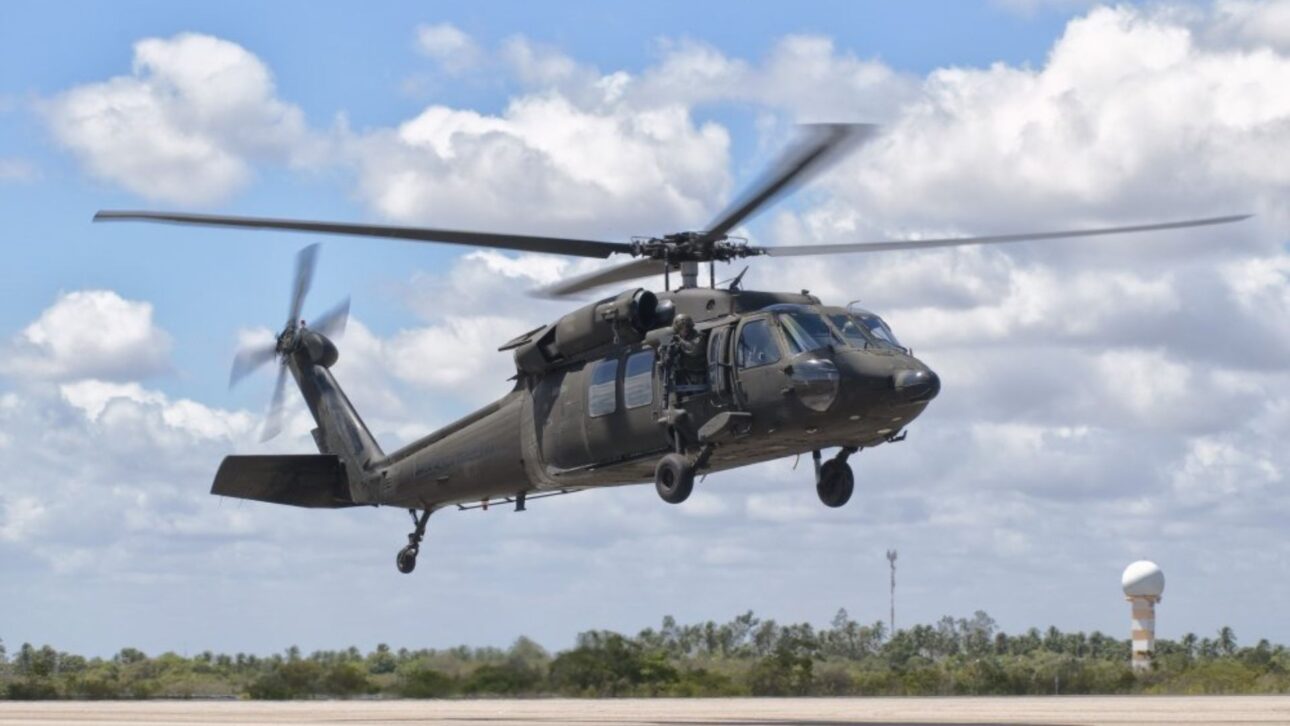
The lot includes 11 UH-60L from the U.S. Army, considered used and refurbished aircraft.
In addition to the acquisition, the contract covers upgrades and standardization of part of the existing fleet in Brazil, raising the total number of Black Hawks in the FAB to 24 units.
The modernization phase includes the integration of avionics and logistical standardization, a measure that reduces maintenance costs and facilitates the training of crews and mechanics.
For the disclosed value, the purchase occurs “below the market price” of new aircraft but comes with the requirement for structural review and systems integration, a step that is usually contracted with the same authorized integrator.
Operational Impact for the FAB
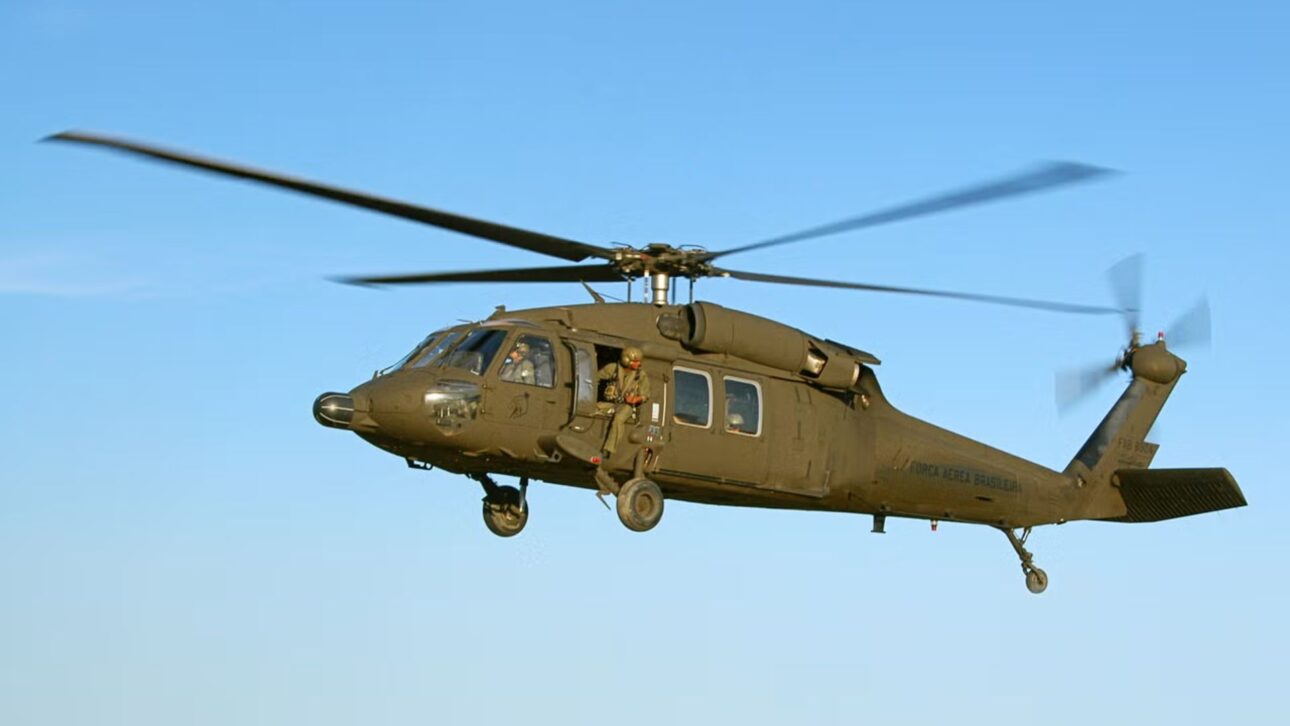
The enlargement of the Black Hawk fleet has a direct effect on search and rescue (SAR), transport of troops and cargo, humanitarian support, aeromedical evacuation, and operations in remote areas.
The UH-60L is a medium-sized helicopter with known performance in high-availability missions.
By doubling the number of airframes, the FAB gains leeway to maintain part of the fleet without compromising the readiness of helicopter wings in different regions of the country.
Another benefit is standardization.
A larger fleet of the same type simplifies the supply chain, training, and doctrine, avoiding the proliferation of models.
In terms of interoperability, the Black Hawk facilitates combined exercises with partner armed forces in the region and beyond.
How the Purchase Will Be Made
The negotiation will be conducted through the logistical agency of the Air Force and the Brazilian Aeronautics Commission in Washington, which centralizes acquisitions with American suppliers.
The process cites the BEST program, which makes available aircraft retired from service for sale to partner governments, with refurbishment and customization.
ACE Aeronautics appears as an authorized supplier for this channel, justifying the waiver.
The delivery schedule, the distribution of airframes among FAB units, and the details of the parts and training package will be defined in the following stages of the process and published in the corresponding official acts.
Relationship with the Brazil–U.S. Agenda
The decision occurs in parallel to the commercial negotiations between Brasília and Washington.
After the increase in American tariffs — with a 40% increase on Brazilian items, in addition to existing rates — Chancellor Mauro Vieira has been maintaining dialogue with Secretary of State Marco Rubio to seek the reversal of the surcharges.
The teams are also discussing the possibility of a meeting between Lula and Trump, still without a publicly disclosed date and location.
Brazilian authorities assert that the purchase of the helicopters follows defense planning and technical criteria, and should not be conditioned to advances in the commercial front.
Nonetheless, the coincidence of schedules reinforces the diplomatic backdrop surrounding the acquisition and the talks about trade and investments.
Legal and Transparency Aspects
The waiving of bidding is provided for in the Bidding Law when competition is unfeasible — for example, in exclusive supply.
In such cases, the Administration is obliged to justify the act, publish excerpts, and keep documentation available for oversight bodies.
The Air Force reported the estimated value of the operation as US$ 229.9 million and indicated the origin of the material as the BEST program, fulfilling the publicity step.
Other technical attachments and the schedule will be published in subsequent stages.
Experts consulted by industry publications indicate that the BEST alternative tends to be faster than purchasing new aircraft, as well as utilizing existing stockpiles of airframes and parts, which accelerates the entry into service.
In contrast, it requires maintenance planning and lifespan management to ensure availability and safety throughout the cycle.
How Much It Costs and What Explains the Price
The amount of US$ 229.9 million covers the transfer of the 11 aircraft, kits, and modernization and standardization services — including, as reported by specialized outlets, the upgrade of 13 Black Hawks already operated by the FAB.
As a reference, new medium helicopters of the same class typically exceed this value per unit, depending on the configuration.
The choice of used airframes, however, requires thorough inspections and adjustments to meet Brazilian standards, which justifies a robust support and integration package.
What Comes Next
With the waiver authorization and the identification of the supplier, the parties move forward to contract formalization, a stage that details scopes, guarantees, training, and deadlines.
From the signing, ACE and U.S. agencies will initiate the process of recovery, integration, and testing, while the FAB prepares infrastructure, tools, and conversion courses for crews and maintenance teams.
The operational expectation is to increase availability of rotor wings for daily missions and seasonal operations, such as disaster relief.
Meanwhile, the Itamaraty and the State Department continue dialogue over tariffs and the high-level agenda.
The Brazilian government states that reviewing the surcharges is a priority, but does not condition it to cooperation in defense.
The outcome of these fronts may influence logistical costs, timelines, and future technological partnerships between the two countries.
The enlargement of the Black Hawk fleet meets a specific demand for capacity and occurs at a sensitive moment in trade politics; in your assessment, should the purchase await a tariff agreement or is the priority to ensure immediate readiness for critical missions?






But the claimed exclusivity does not exist. The contract is not legal.