






 Portuguese
  Spanish


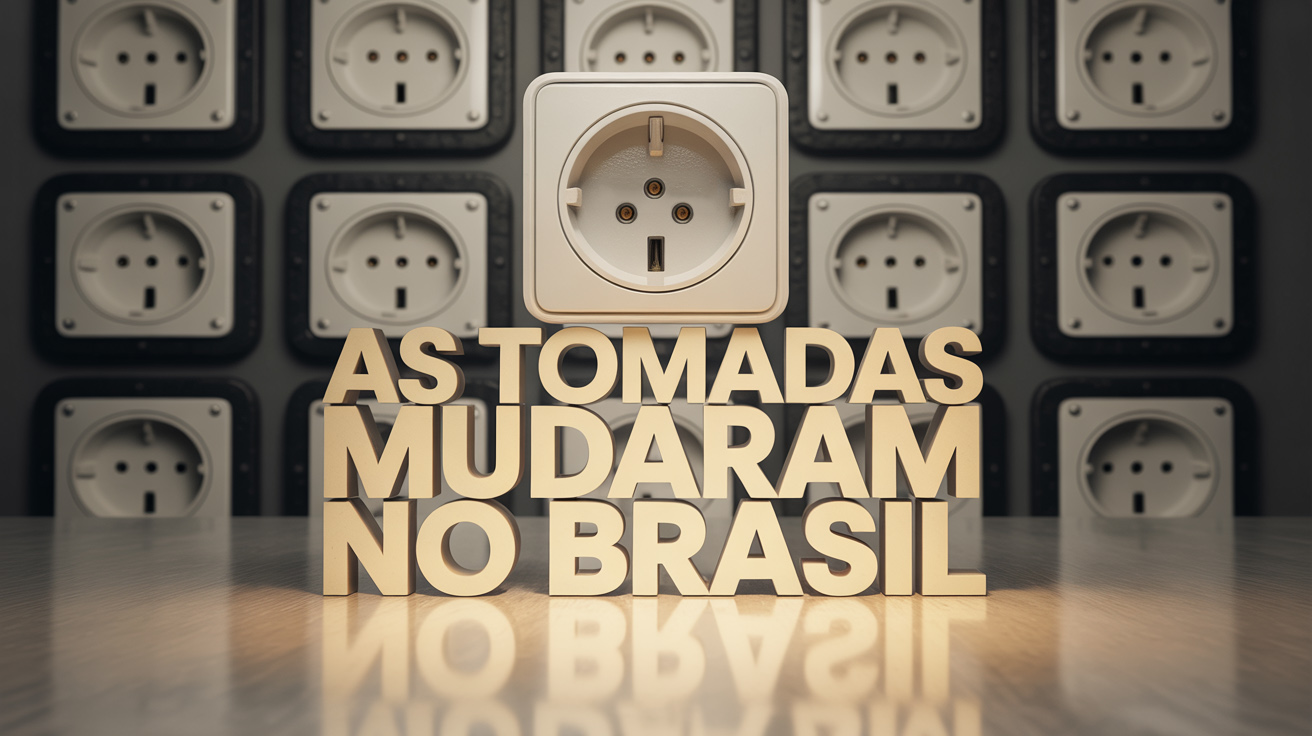

The Controversial Standard Adopted In 2011 Still Generates Doubts. Learn The Behind The Scenes Of This Change And Who Profited From It.
In 2011, Brazil officially adopted a new standard for electrical outlets, featuring three pins.
The change, which generated resistance and even memes, remains a topic of debate among consumers, electricians, and manufacturers of household appliances.
But what motivated this decision? Who benefited from the swap? And, after all, did it really bring more safety?
-
How to Prevent Brown Recluse Spider Bites: Common Hiding Spots and Free Tips to Reduce Risks

-
Natto: The Unusual Japanese Superfood Gaining Popularity on Social Media and Driving Record Exports
-
Brazilian Mayor Goes Undercover as Homeless for 24 Hours to Assess Public Services

-
15-Year-Old Entrepreneur Malu Lira Publishes 20 Children’s Books on Financial Education, Earns $500,000, and Expands Her Project to the Amazon Rainforest




The Standardization Of Outlets In Brazil: What Changed
Until 2011, the country experienced a real “electrical chaos” in homes and commercial establishments.
It was common to find a variety of plugs and outlets: two flat pins, two round pins, and even imported models incompatible with local installations.
This lack of standardization caused accidents, short circuits, and dangerous improvisations with adapters.
Moreover, it complicated the lives of consumers, who often needed extensions or adapters to connect appliances purchased in different regions of the country.
Starting January 1, 2011, the use of the Brazilian standard for plugs and outlets (NBR 14136) became mandatory, established by ABNT (Brazilian Association of Technical Norms) based on studies initiated in 1998.
Why The New Standard Was Created
The main justification for the change was electrical safety.
The new model, with three round pins — the third being the ground wire —, promises to reduce the risk of electric shocks, shorts, and house fires.
According to Inmetro, the new Brazilian outlet standard increases electrical contact between the plug and the outlet, reducing failures and overheating.
The grounding pin provides an extra layer of protection against shocks, especially in higher-power appliances.
Additionally, adopting a single national standard aimed to reduce production and logistics costs for manufacturers of electrical devices, which previously needed to adapt their products to different regional configurations.
What Critics Of The Change Say
Despite the technical justification, the change was not well received by a large part of the population.
Many Brazilians found themselves forced to replace adapters, power strips, and old appliances.
Moreover, the cost to comply with the new standard — for both manufacturers and consumers — was one of the most criticized points.
There were also speculations that companies linked to the electrical industry benefited from the decision, profiting from the sale of new adapters and components.
However, there was never any proof of direct lobbying by these companies, although the issue was the subject of an investigation in 2006 and discussed in the press.
Who Defined The Standard?
The model adopted in Brazil was inspired by a similar system used in other countries, but with its own adaptations.
The final design choice was made by the ABNT in partnership with the Brazilian Electricity Committee (Cobei) and followed technical studies conducted by engineers, electricians, and regulatory bodies.
The Brazilian standard was not directly copied from any other country.
Although it resembles the “N” type used in Switzerland and South Africa, it has its own specifications, such as pin thickness and spacing, making it incompatible with the rest of the world.
In other words: the Brazilian plug is unique and cannot be used in any other country without adapters — which increased criticisms from those who viewed the change as unnecessary isolation.

Was There A Reduction In Accidents?
According to data from Inmetro and Abracopel (Brazilian Association for Awareness of Electrical Hazards), standardization did contribute to the reduction of domestic accidents related to electric shocks caused by outlets.
Reports indicate that, between 2010 and 2020, there was a drop of about 18% in recorded accidents due to failures in electrical connections in residences.
Despite this, the number of deaths from shocks remains high in Brazil, and the lack of proper grounding continues to be a challenge in many homes, which reduces the effectiveness of the new outlet.
And The Appliances With Two Pins?
The current standard allows appliances with two pins to continue being used normally.
The third pin, the grounding one, is only mandatory for equipment that requires this extra protection, such as refrigerators, washing machines, and microwaves.
Thus, the three-hole design of the new outlet is compatible with two-pin plugs, as long as they respect the new spacing.
However, old appliances with thicker pins, or that do not follow the NBR 14136 standard, still require adapters — which creates confusion among consumers.


Will The Standard Change Again?
There is no forecast for new changes to the Brazilian outlet standard.
The Ministry of Development, Industry, Commerce, and Services (MDIC), along with Inmetro, states that the current standard is safe, efficient, and remains in effect.
Manufacturers have already fully adapted to the production of the new model, and the costs associated with maintaining two standards have been eliminated, at least for the industry.
On the other hand, Brazil still suffers from old electrical installations, lacking grounding or not adhering to safety standards, which reduces some of the benefits expected from the change.
A Change That Unified But Still Generates Doubts
The adoption of the three-pin outlet standard was focused on safety and national standardization.
Despite the high initial costs and resistance from the population, data indicates a positive contribution to reducing electrical accidents.
Still, the lack of clear communication and the exclusivity of the Brazilian standard in the world remain sensitive points.
But given all these factors, the question remains: would it be worth adopting an international standard — even with new costs — to make life easier for Brazilians traveling and using products from abroad?







Gostei muito. Além de padronizar as tomadas, deixou tudo mais seguro. A tomada, trouxe uma estabilidade mecânica também, coisa que não existia na profusão de tipo de tomadas que existiam antes. Sem falar para as crianças, que gostam de enfiar os dedinho em qualquer buraco. O choro é livre, mas a solução foi ótima. As empresas que importam aparelhos elétricos atualmente já informam aos fabricantes dos produtos, a padrão das nossas tomadas.
Estas mudanças em tomadas são semelhantes às reformas gramaticais, visam apenas vendas de produtos.
Resposta bem mais simples do que todo o texto: PROPINA.
O lobby das indústrias de material elétrico custou caro. A estimativa é de aproximadamente 400 milhões de tomadas vendidas em curto prazo.
Rolou grana grossa aí