Portuguese
  Spanish


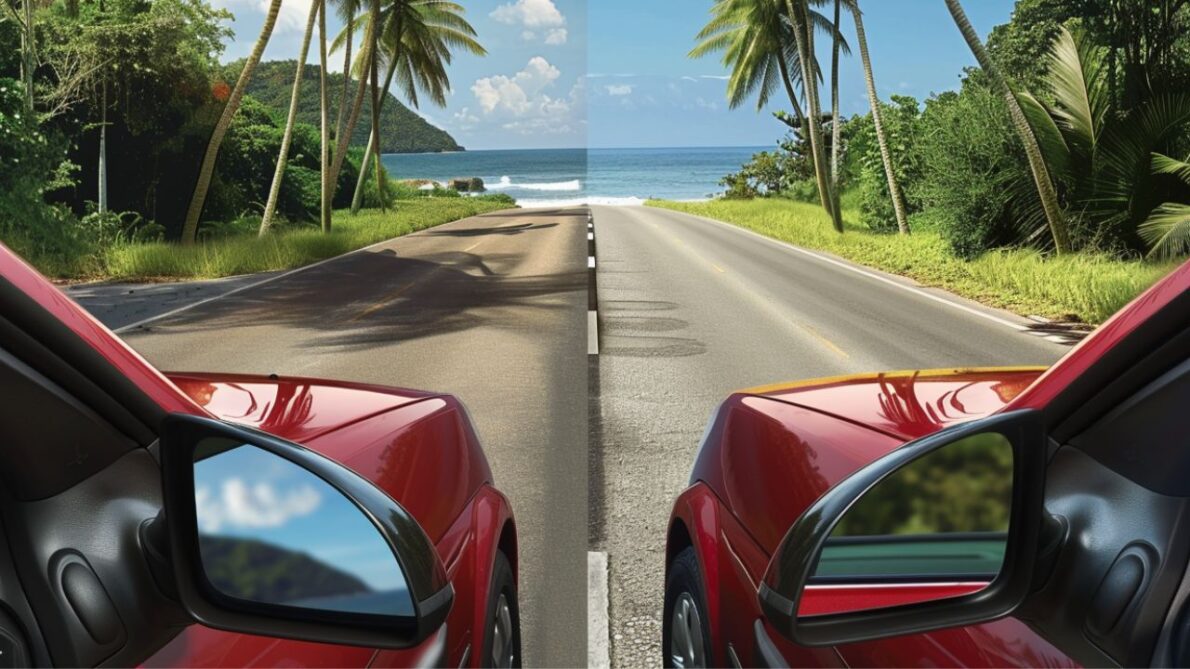

Discover The Historical And Cultural Origins Behind The Custom Of Driving On The Right In 70% Of Countries And On The Left In 30%, Including The United Kingdom, And How These Traditions Influence The Design Of Modern Vehicles.
The division between driving on the right or left dates back centuries. The choice of each country was influenced by a variety of historical and practical factors. For example, during the medieval era, European knights preferred to keep to the left to have their right hand free for combat. This custom was formalized in England by a law from Henry VIII in 1756, establishing the left side for travel.
In revolutionary France, the practice shifted to driving on the right as a way to break with the aristocratic tradition, which favored the left side. Napoleon, a major propagator of this norm, imposed right-side driving in the territories he conquered, spreading the practice across much of continental Europe.
Decision On Which Side Of The Road To Drive Directly Influences Vehicle Design


The United Kingdom, staying away from Napoleonic policies and valuing its insular traditions, continues to drive on the left. This extended to the countries that were under its colonial rule, such as India, Australia, and Jamaica.
-
1983 Chevrolet Runs Over 100,000 km Without Gasoline, Powered by Wood Chips, Reaches 125 km/h in Airport Test

-
Workshop Converts Giant Tractor Tire Tricycle into a Three-Wheel Drive Hybrid with 36,000-Watt Electric Motor Capable of Climbing Hills

-
Sales of Brazil’s Cheapest Electric Car Halted Before First Deliveries: E-Motors Suspends Emova Easy Due to Import Tax Increase and Rising Freight Costs

-
Nissan Discontinues Qashqai SUV Amid Cost-Cutting, Chinese Competition, and Product Line Review




The decision on which side of the road to drive directly influences the design of vehicles. In countries where driving is on the right, the steering wheel is positioned on the left side of the car, allowing the driver a clear view of the road. In countries that follow the left-side norm, like the United Kingdom, the steering wheel is placed on the right. However, the arrangement of pedals and the gear sequence remain the same globally.
Driving On The Right Or Left Is More Than A Preference
In addition to the steering wheel, other vehicle controls can be adjusted to better suit the driver’s position, depending on the side of the road. This includes turn signal controls and other commands on the steering wheel, optimized for operation with the driver’s dominant hand.
Driving on the right or left is more than a preference; it is a manifestation of a country’s cultural and political histories. While most of the world follows the right-side norm, influenced by Napoleon’s decisions, the United Kingdom and others maintain the tradition of driving on the left, a legacy of their own national histories.