





 Portuguese
  English
  Spanish
  5 min of reading
  4 comments


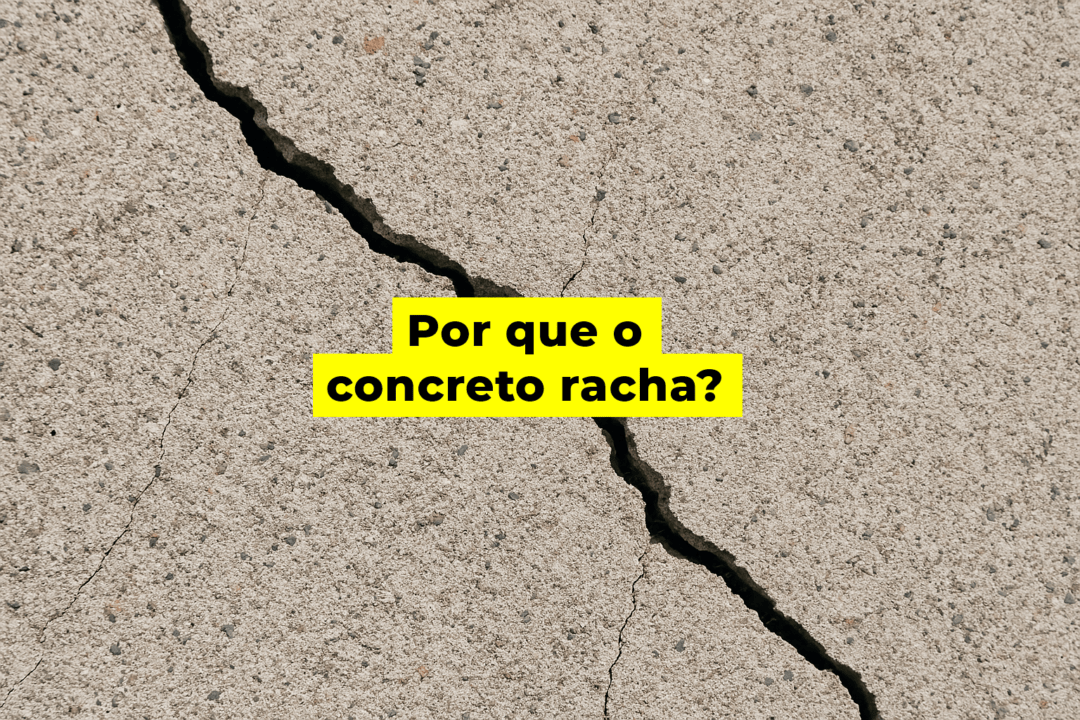


Cracks In Concrete Are One Of The Main Concerns In Construction And Architecture. Although They Seem Inevitable, They Usually Result From Known Causes, Such As Shrinkage, Thermal Movements, Or Application Failures.
Cracks in concrete are one of the most common problems in construction. They can appear in sidewalks, walls, beams, slabs, walls, and foundations. We will look into more details about why concrete cracks.
In many cases, they scare residents and engineers, who fear severe failures. But not every crack poses a risk. The difference from case to case is the origin of the crack and how it develops over time.
This article explains why concrete cracks, what the most common types of cracks are, what causes these failures and how to avoid them.
-
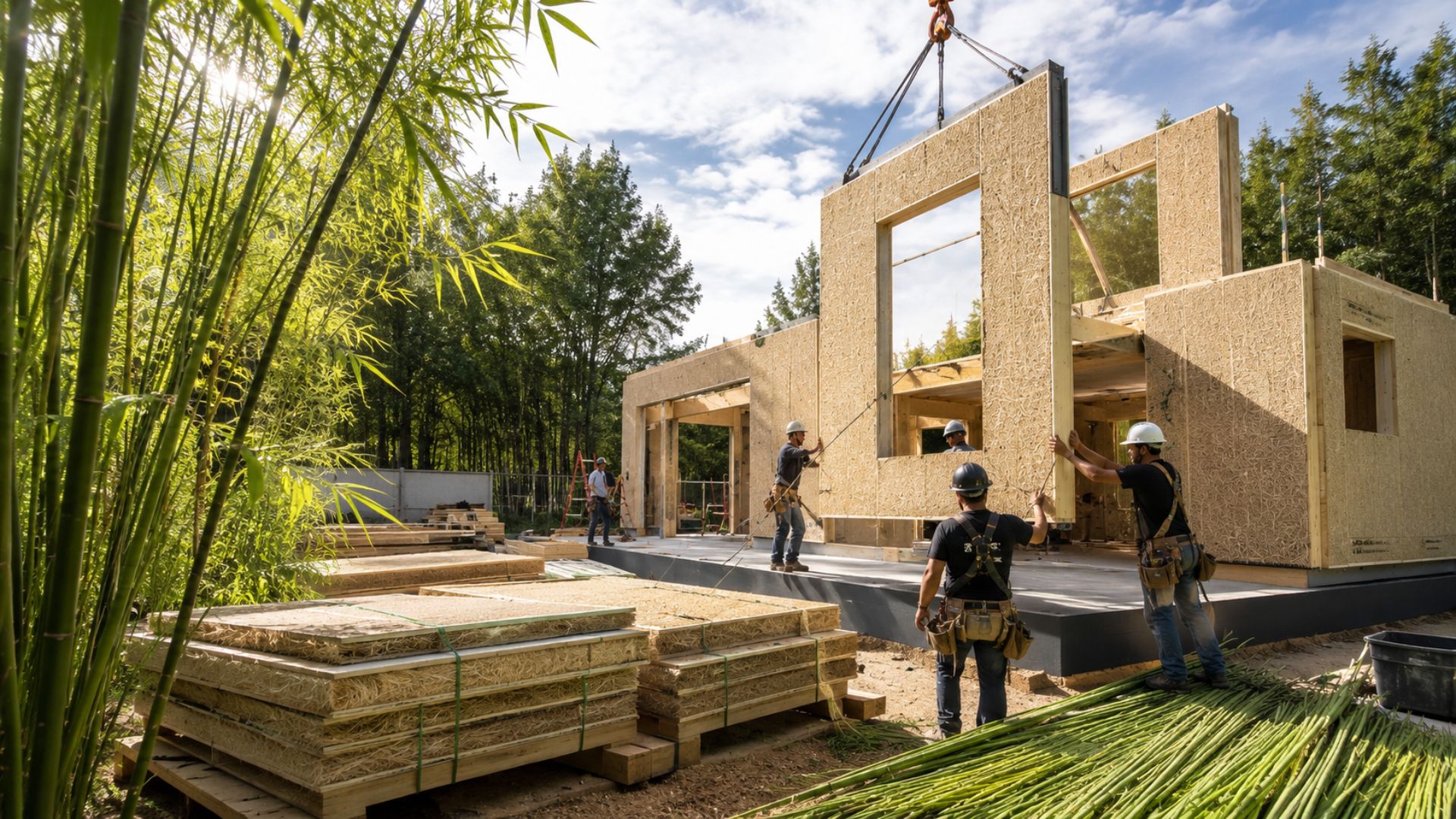
A former SpaceX engineer left rockets to reinvent home construction and founded a startup that manufactures wall panels from a grass that grows about 15 centimeters per day.

-
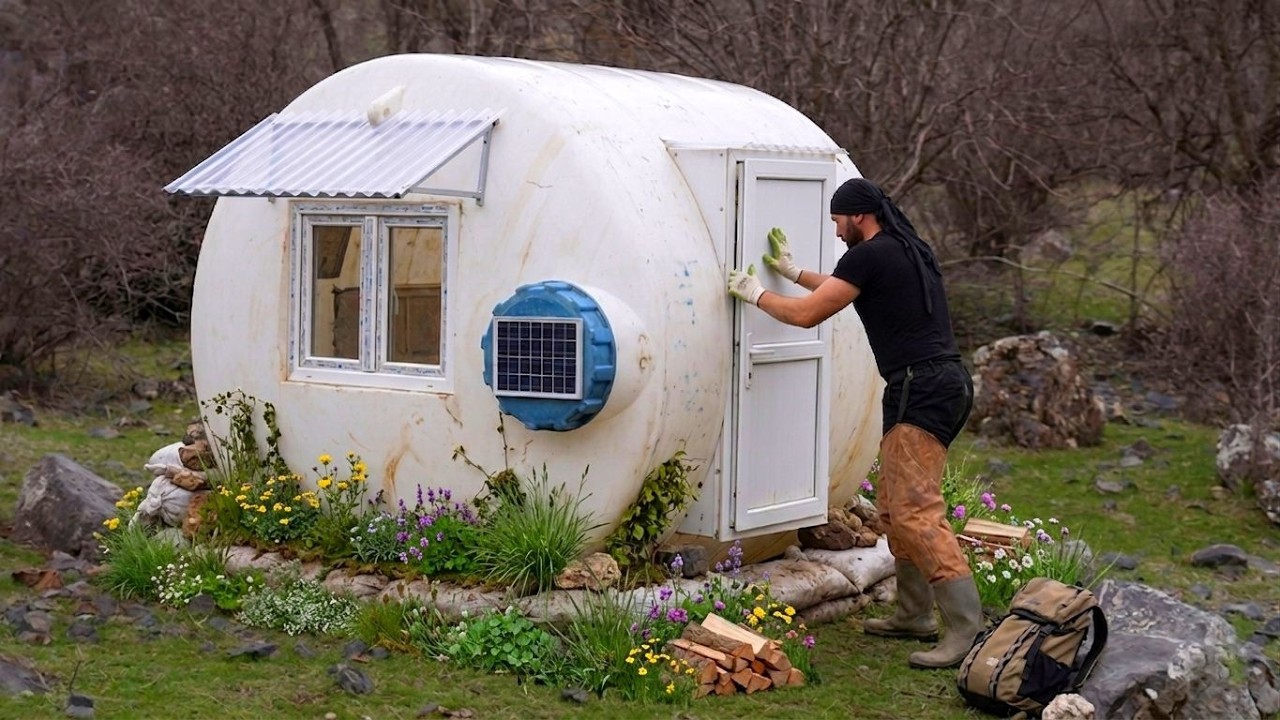
He transformed an abandoned plastic water tank into an underground house in the “hobbit hole” style, using only repurposed pallet wood, without heavy machinery or expensive labor.

-
How much does it cost to install gutters in a house in 2026? See the average costs of materials, labor, and the most common extra expenses that may arise during installation.
-
A prefabricated wooden house with 70 m², three bedrooms, and a veranda costs the same as a new car in Brazil, around R$ 140,000, or 24,000 euros, and is for sale in Spain.


It also provides basic repair guidelines and shows how structural reinforcement helps increase the durability of constructions.
What Is Why Does Concrete Crack
Concrete is one of the most used materials in construction. It is made with cement, sand, gravel, water, and sometimes additives that improve the performance of the mix.
Once ready, it hardens and turns into a strong mass capable of supporting large weights. When reinforced with steel rebar, it becomes reinforced concrete — ideal for also withstanding tensile and flexural forces.
Even though it is strong, concrete is not immune to failures. Over time, cracks can appear for various reasons.
And it is essential to remember: concrete is not elastic. It withstands compression well but has a low capacity for deformation. Therefore, when forced beyond its limit or exposed to certain conditions, it can crack.
Types Of Cracks And What Causes Each Type
Structural Cracks: These are the most concerning. They occur when the structure is poorly designed, or when unexpected overloads happen.
This can occur due to miscalculations, lack of reinforcement, or improper use of the structure. These cracks typically run through the entire concrete, side to side, and indicate that safety may be compromised.
Temperature And Humidity Cracks: Concrete expands and contracts as the temperature changes. If these variations are intense, internal stresses arise that crack the material.
The same applies to humidity. Alternating periods of wetting and drying weaken the surface, facilitating the appearance of cracks that can allow chemical agents to enter.
Shrinkage Cracks: These occur shortly after the concrete is poured. When water evaporates too quickly, the volume decreases and the concrete cracks.
This is called plastic shrinkage. Meanwhile, drying shrinkage appears over time, usually due to excess water in the mix or curing failures. They are fine cracks but can evolve if not treated.
Soil-Caused Cracks: When the soil subsides or moves unevenly, the structure suffers additional stresses.
The result is diagonal or sloped cracks, common in houses built on weak soils. This type of failure can indicate serious foundation problems and requires immediate attention.
Factors That Increase The Risk Of Cracks
External Factors: Constant or dynamic loads, such as heavy traffic, impact, or vibrations, generate stress in the concrete. If these forces are not accounted for in the design, they can cause cracks.
Severe environmental conditions, such as strong winds, frost, seawater, and climate variations, also contribute to the formation of cracks.
Internal Factors: The concrete itself can have chemical reactions that lead to cracking. An example is the alkali-silica reaction, where certain materials in the aggregates react with water and cause expansion.
Internal deformations due to shrinkage or poorly executed tensioning also create cracks. In post-tensioned structures, excess force can cause cracks invisible to the naked eye.
Impact Of Cracks On Concrete Performance
Many people think that cracks are just a visual problem. But they can affect the durability and safety of the structure.
Once a crack opens, it allows water and corrosive agents to enter and reach the steel reinforcements. This weakens the concrete and accelerates its deterioration.
Over time, concrete loses strength. Repairs become more expensive. In extreme cases, there may be a risk of collapse or the need for partial demolition of the structure.
How To Prevent Cracks In Concrete?
Prevention starts right at the design stage. A good engineer must accurately calculate all the loads that the structure will bear. Additionally, they need to choose the right type of concrete, the type of cement, the size of the aggregates, and the water proportion.
On-site, it is essential to ensure:
- Proper mixing of materials
- Correct compaction
- Well-executed curing, avoiding rapid drying
- Control of temperature and humidity during application
- Constant quality checks
These simple practices help reduce the risk of cracks and increase the lifespan of the structure.
How To Repair Cracks?
The first step in any repair is to find out the cause of the crack. Only then is it possible to prevent it from reappearing.
Most Common Repair Techniques
- Epoxy Injection: Used for structural cracks. The resin penetrates the crack, seals it, and restores the strength of the piece.
- Flexible Sealants: Such as silicone or polyurethane. They are suitable for small or superficial cracks. They create a barrier against water and dirt.
- Repair Mortar: Suitable for larger cracks. It restores the damaged surface and improves the visual aspect.
- Additional Reinforcement: In severe cases, additional rebar or post-tensioned cables can be used to redistribute stresses.
- Control Joints: Create strategic relief points to prevent new cracks from arising due to shrinkage.
The Role Of Steel In Crack Control
The use of reinforcement is one of the most effective ways to control cracks. Steel bars absorb stresses and prevent them from concentrating in a single point. This way, concrete better withstands tensile forces, preventing it from breaking.
Furthermore, the reinforcement helps protect the structure against changes in temperature and humidity. When properly designed, the reinforcement system prevents cracks from evolving into larger problems.
Cracks in concrete can be treated and, in most cases, prevented. The key is to understand their causes, act early, and follow good construction practices.
Even old structures can be recovered, as long as they are evaluated by qualified professionals. The sooner the intervention, the lower the cost and greater the safety.







Great post! Understanding why concrete cracks is key to preventing long-term damage. Common causes include shrinkage during curing, temperature changes, and structural stress. By using proper reinforcement, control joints, and sealants, you can minimize cracking and protect your structures for years to come. Thanks for highlighting these important insights!
Great post! Concrete cracks due to shrinkage, settling, temperature changes, or overload. Proper mix design, reinforcement, and curing techniques are key solutions to minimize cracking and protect your structure!
Artigo muito bem escrito e acertivo. Parabéns!