






 Portuguese
  Spanish


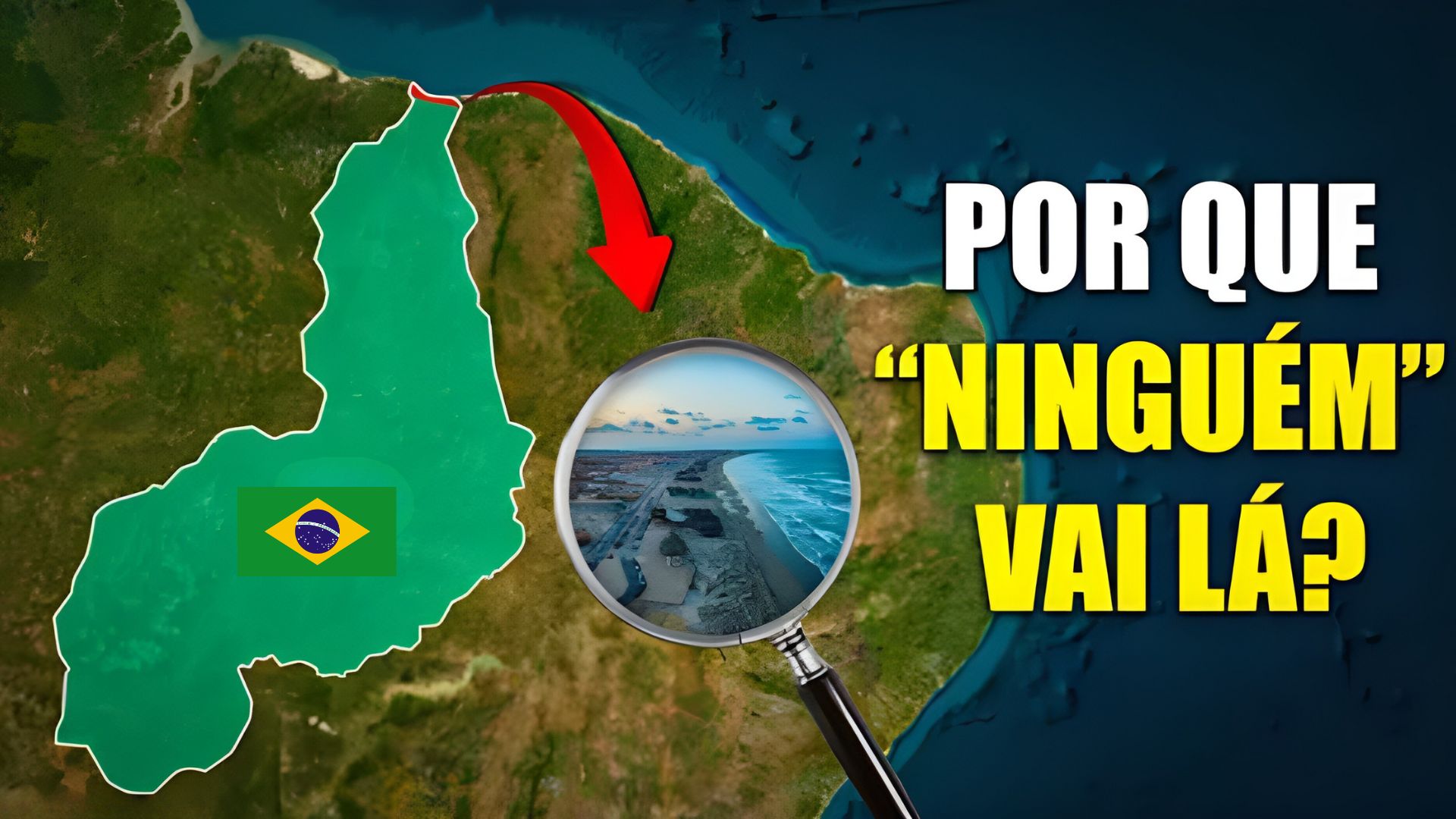


With the smallest coastline in Brazil, Piauí holds a rare natural phenomenon in the Americas and one of the greatest ecotourism potentials in the country. Still, the state faces historical, logistical, and structural challenges that limit its coastal development.
With only 66 kilometers of coast, Piauí’s coastline is the smallest in Brazil, stretching between Ceará and Maranhão.
Despite its small size, it is home to one of the rarest natural phenomena in the Americas: the Parnaíba Delta, an open-sea formation that encompasses dozens of islands, mangroves, and channels.
Nevertheless, the region remains outside the main tourist routes of the Northeast.
-
Brazilian Airport to Receive $2.8 Million Investment, Completion Expected Within a Year

-
UN Warns of AI’s Environmental Impact and Calls for Greater Corporate Transparency

-
Former Atacadão Employee Turns Online Cake-Baking Lessons into a Confectionery Brand with Factory, Store, Delivery, and Nearly $400,000 in Revenue
-
Brazilian Startup Sells Nearly 9 Million Surprise Bags of Near-Expiry Food, Prevents Thousands of Tons of Waste, Aiming for $42 Million Revenue by 2026




Experts point to historical, geographical, and structural reasons for this scenario.
Historical Formation and Occupation Oriented to the Interior
Unlike other northeastern states, Piauí developed from the interior.
Colonization advanced through the hinterlands, driven by cattle ranching and trade routes linking the Northeast to the North of the country.
Contact with the sea occurred late.
Until the end of the 19th century, the coastal strip was not even part of Piauí’s territory.
Integration came after a political agreement with Ceará, resulting in the exchange of interior areas for a small coastal stretch.
This late incorporation explains, according to historians, why the state grew without structured ports, maritime tradition, or large-scale fishing activity.
Distant Capital and Little Coastal Integration
The location of Teresina, about 320 kilometers from the sea, also contributes to the isolation of the coastline.
The capital, founded at the confluence of the Parnaíba and Poti rivers, established itself as an administrative and economic center, but far from the coast.
Without a nearby coastal metropolis, the coastal cities — Parnaíba, Luís Correia, Ilha Grande, and Cajueiro da Praia — grew in a limited way and with less capacity to attract public and private investments.
Analysts state that this physical distance created a symbolic detachment: while other northeastern capitals urbanized toward the sea, Piauí maintained its economy oriented toward the interior.
The Parnaíba Delta and the Environmental Potential
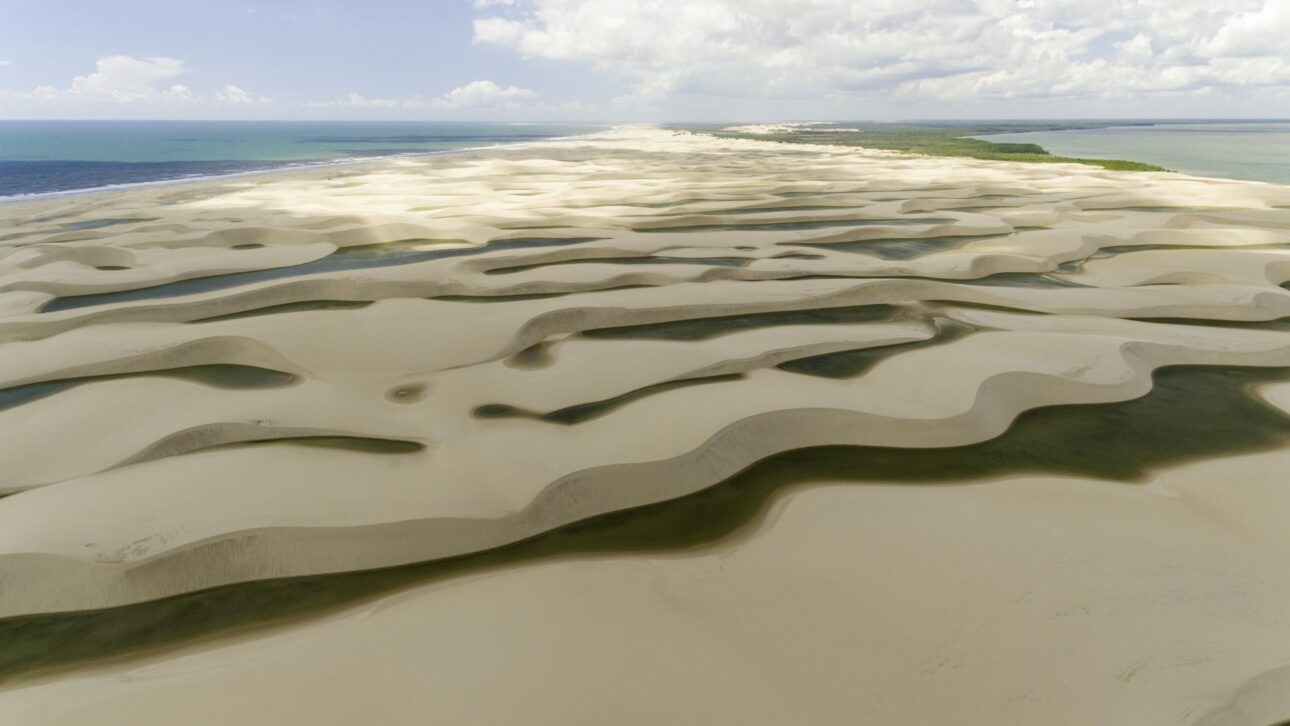
The Parnaíba Delta is identified by researchers as one of the main environmental and tourist assets of the state.
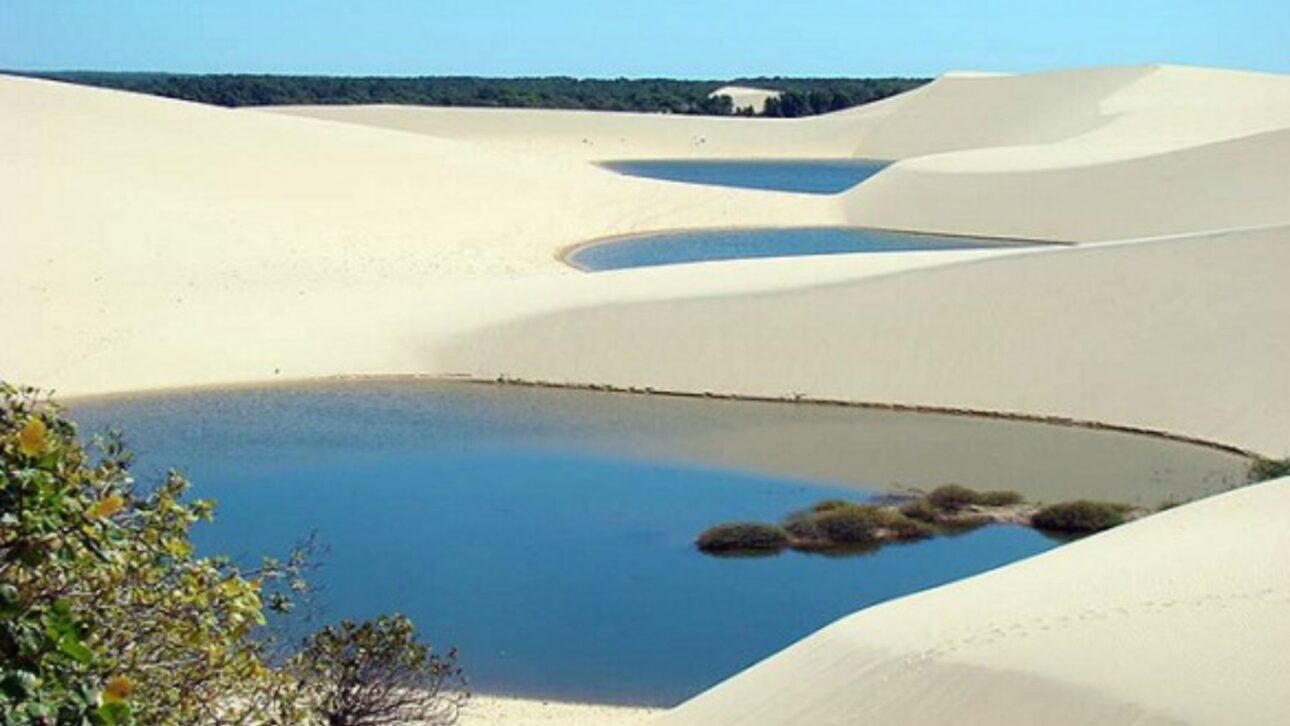
This formation, rare in open sea, has great biodiversity, with dunes, islands, and flooded areas.
Even with this potential, the region still faces access difficulties and lacks consolidated tourism infrastructure.
According to ecotourism specialists, the delta has conditions to attract visitors interested in nature tourism, birdwatching, and river tours, but the sustainable development of the area depends on planning and environmental control.
Access by Land and Air Is Still a Challenge
The main land route between Teresina and the coast is the BR-343, which spans over 300 kilometers to Parnaíba.
Despite the duplication works on some stretches, the journey is still considered long and tiring.
This distance is cited as one of the reasons for the slow growth of visitor traffic and the isolation of coastal cities.
In air transport, the situation began to change recently.
After years of restricted operation, the Parnaíba airport now has direct flights to Fortaleza, operated by LATAM.
According to the company and the state government, the new route is expected to increase tourist access and integrate the Piauí coastline into the regional air network.
Port and Economic Infrastructure
The port of Luís Correia, known as Porto Piauí, has become a symbol of unfulfilled promises.
For decades, the project has gone through different governments without fully entering operation.
Works were started and reopened more than once, but without continuous commercial use.
In 2025, the state government announced the completion of the main structures and negotiations with companies to attract cargo ships.
If the schedule is maintained, the port could strengthen regional logistics, especially for the flow of products such as fish and salt, according to the state Transportation Department.
Irregular Planning and Lack of Continuity
Surveys by tourism and urban planning agencies show that the Piauí coastline has suffered from discontinued projects.
Works on boardwalks, such as the one in Atalaia, in Luís Correia, were renovated with federal funds but deteriorated due to lack of maintenance.
In several municipalities, tourism plans are not updated and local secretariats operate in a limited manner.
Public management specialists argue that the absence of permanent policies generates a cycle of occasional advances and setbacks.
Works are inaugurated during election periods and then remain without adequate maintenance, compromising the destination’s image.
Comparison with Consolidated Neighboring Destinations
While Piauí faced infrastructure obstacles, neighboring states consolidated internationally recognized tourist destinations.
Jericoacoara (CE) and Lençóis Maranhenses (MA) became hubs of northeastern tourism, with a strong presence of foreign agencies and operators.
The Piauí coastline, located between the two, ended up being left out of the main travel routes.
According to guides and professionals in the sector, many tourists traveling the route between Ceará and Maranhão pass through Piauí without staying overnight, which reduces the economic impact of local tourism.


Insertion in the Route of Emotions
In recent years, Piauí has begun to integrate into the Route of Emotions, a circuit connecting Jericoacoara, Parnaíba Delta, and Lençóis Maranhenses.
The initiative, promoted by state agencies and the Ministry of Tourism, aims to strengthen ecotourism and adventure tourism.
The inclusion of the delta in the route has increased the region’s visibility and stimulated visitor arrivals, according to data from Setur-PI.
The challenge, according to industry analysts, is to transform this visibility into longer stays and local income generation.
This depends on workforce training, service qualification, and environmental preservation, factors seen as essential for sustainable growth.
Perspectives and Challenges of the Piauí Coast
The current scenario shows sporadic advances, such as the new direct flight and the reactivation of the port, but also highlights the need for structural policies.
Tourism sector technicians advocate for the creation of an intermunicipal planning for the coastline, with long-term goals and monitoring mechanisms for construction and maintenance.
Recent studies indicate that diversifying tourism products, strengthening local gastronomy, and investing in basic infrastructure could boost the coastal economy.
The potential is recognized, but specialists emphasize that the consolidation of tourism depends on administrative continuity and integrated management among municipalities.
The question that remains is: will Piauí’s coastline manage to turn its recent advances into a lasting development process or will it remain limited to cycles of promises?






Importante ter políticas públicas sérias q realmente valorizem a região e o povo q sofre com a falta de investimento e interesse em fazer com q a região prospere.
O litoral do Piauí tem um dos lugares + lindos do planeta. Temos o único Delta das Américas em mar aberto. Um verdadeiro Oásis no meio de quase um deserto. Lindas paisagens. Verdadeiros labirintos de um dos principais rios do país. O Parnaíba, c/seus 1.500 km de curso.
Esta região era pra ser prioridade era do país para incentivar o turismo c/obras estruturantes e ñ o Piauí, c/o estado + pobre da federação. Mas o estado, tbm tem sua parcela de culpa.
Outra região esquecida tbm é a Serra da Capivara. Onde temos o berço do homem americano. Um dos principais sítios arqueológicos do mundo.
Ambos são esquecidos tanto pelos governo do estado quanto p/União. O Brasil deve miito ao Piauí.
O Ceará, q ñ tem nada parecido com estes 2 pontos turísticos do Piauí, bomba c/turismo. Se eles tivessem o Delta e a Serra da Capivara no seu estado, seria referência mundial.
Tem que ir lá o Lula e seus eleitores, mas nem eles não vão!