





 Portuguese
  English
  Spanish
  3 min of reading
  0 comments


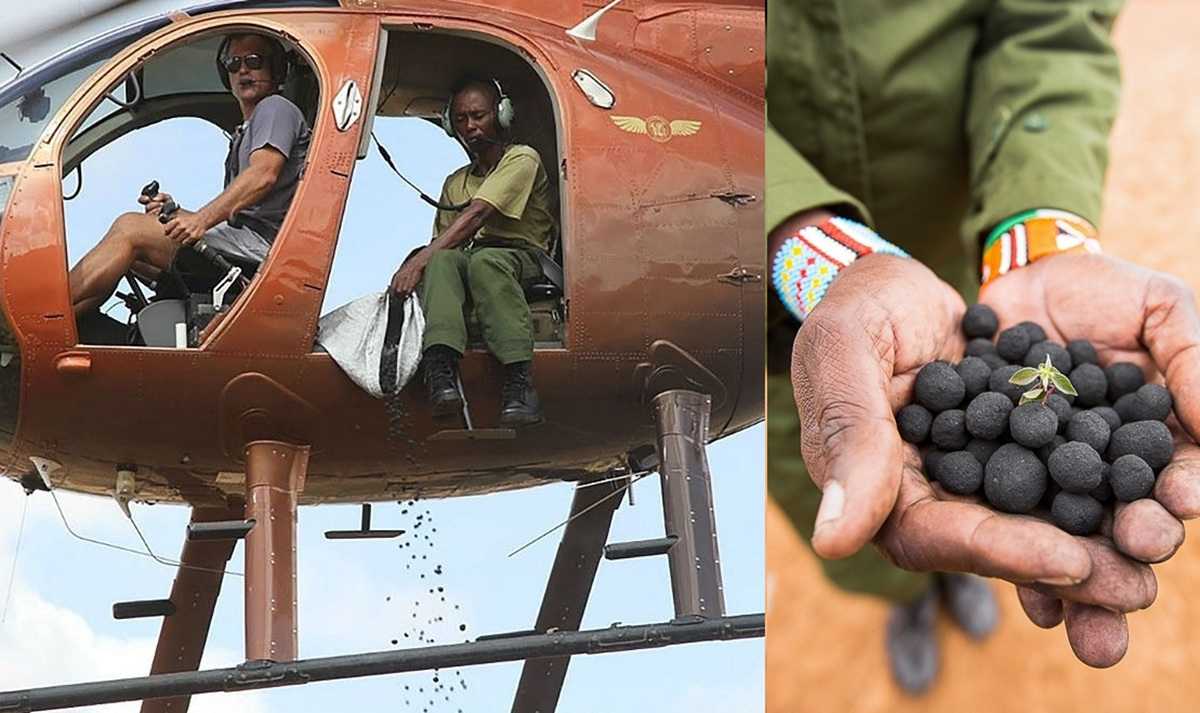
Kenya Has Simple, Cheap, And Effective Method Utilizing Charcoal And Native Species To Regenerate Degraded Areas.
An innovative and curious initiative has been drawing attention in Kenya. Instead of traditional reforestation techniques, environmental activists and local businesses are using small dark balls to recover degraded areas.
They are not made of cement, as some people think, but rather of charcoal, clay, and seeds from native trees.
These “seedballs” are helping to bring back greenery to regions previously devastated by deforestation or fires.
-
Modern cars collect data about everywhere you go, who is in the vehicle, whether you wear a seatbelt, your facial expressions, and even your weight, and Mozilla analyzed 25 brands and classified automobiles as the worst product category in privacy they have ever evaluated, with none meeting minimum standards.

-
Ship with 1.7 tons of humanitarian aid from Mexico and Uruguay arrived in Havana this Monday as Cuba faces blackouts of up to 22 hours a day following the cut in energy supply by the United States, and tensions between the two countries increase with the possible indictment of Raúl Castro.
-
The United States, China, and the Emirates are funding a race for solar satellites capable of capturing light 24 hours a day in space and sending energy back to Earth via microwave beams.

-
Scientists discover “chemical fingerprint” that could help reveal extraterrestrial life without finding microbes or fossils, just by analyzing hidden patterns in amino acids and fatty acids from Mars, icy moons, and meteorites.


How Seedballs Are Made
Seedballs are produced through a simple process.
First, seeds from native species adapted to the local ecosystem are selected.
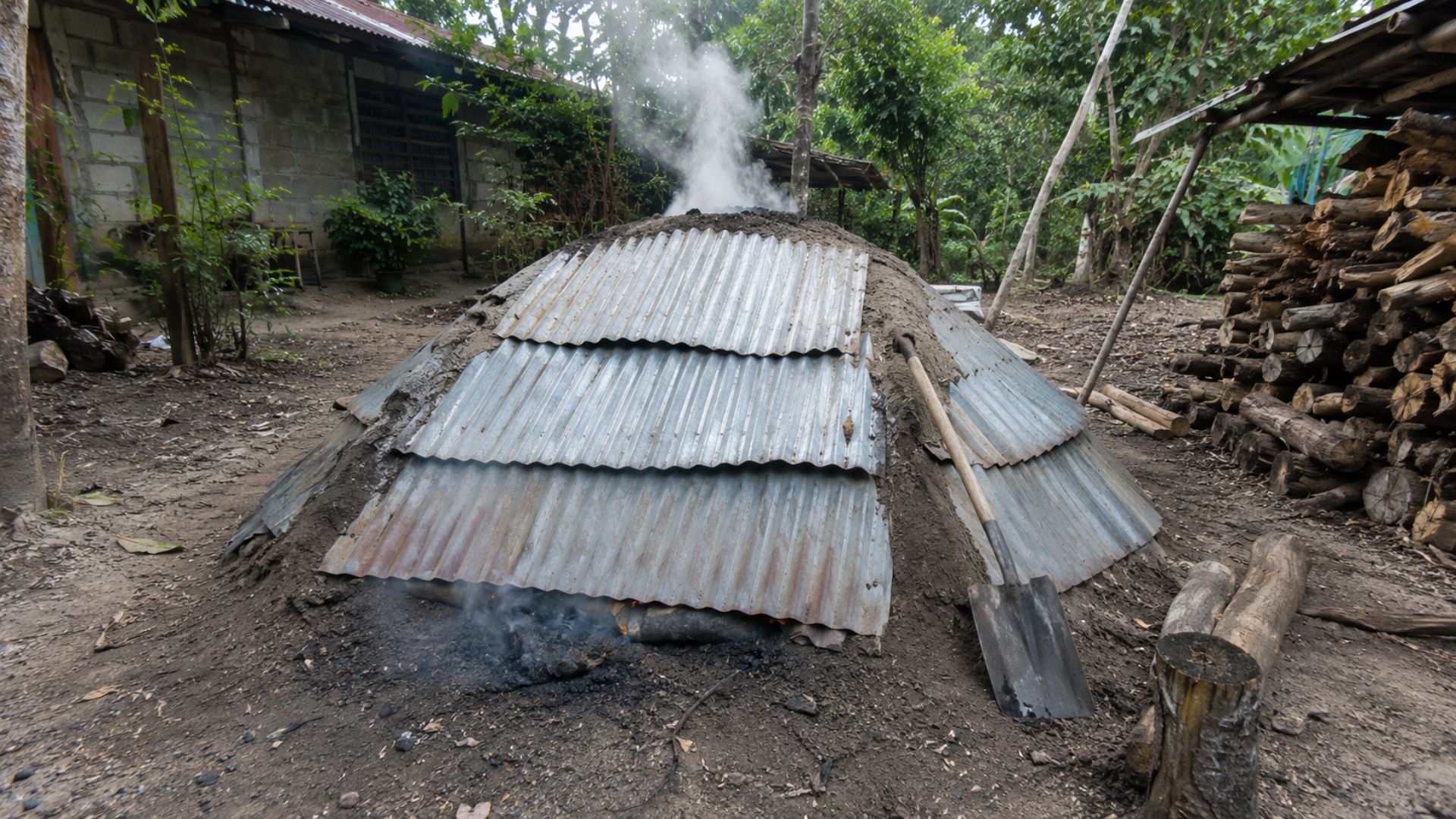
Next, these seeds are wrapped in a mixture of charcoal powder (biochar) and a little clay. The goal is to create a protective layer around the seed.
This protection serves several functions. It prevents the seed from being eaten by animals such as rodents and birds. It also helps retain moisture and protects against strong sunlight or heavy rains.
When it rains enough, the outer layer dissolves, and the seed can germinate. With luck, it turns into a new tree.

Low-Cost Technology With High Potential
The method has gained traction thanks to the company Seedballs Kenya, founded by Teddy Kinyanjui.
Since 2016, the company has produced and distributed over 50 million seedballs.
They are scattered in deforested areas, mainly through walking, helicopter flights, or even thrown by tourists and volunteers during visits to nature reserves.
The chosen species mainly include acacias and native grasses.
These plants help fix nitrogen in the soil, prevent erosion, and create conditions for more vegetation to emerge in the future.
In many regions of the country, farmers and local residents also participate, throwing seedballs in their communities.
Practical Results Despite Limitations
The germination rate of seedballs is low: it is estimated that between 5% and 10% of the seeds sprout. This may seem little, but the cost is very low, and the scale is large. One person can throw hundreds of balls in a single day. This compensates for the natural losses of the process.
Additionally, some seeds remain dormant for months or even years, waiting for ideal rainfall and temperature conditions to sprout.
This behavior is common in dry climate regions, such as parts of Kenya. Over time, the previously arid areas begin to gain shade, moisture, and life again.
The use of seedballs in Kenya demonstrates that it is possible to recover degraded areas with simple, affordable, and ecological methods. The idea is already starting to inspire similar projects in other African countries and even outside the continent.
Gradually, these small dark balls are helping to transform landscapes and restore ecosystems. And they prove that, even with limited resources, it is possible to do a lot for nature.





Be the first to react!