






 Portuguese
  Spanish
  3 min of reading
  32 comments



A R$ 15 Billion Investment From The United Arab Emirates Could Position The Macaúba As The New Star Of National Agribusiness. This Native Plant, With The Potential To Produce Up To Seven Times More Oil Per Hectare Than Soy, Is Ready To Transform The Biofuels Market And Create Thousands Of Jobs!
The soy, which until now reigned supreme in the Brazilian agribusiness, may be ready to face strong competition. The macaúba, a typical plant of Brazil’s tropical and subtropical regions, has caught the interest of Arab investors, who see its potential as promising. With an injection of R$ 15 billion from the United Arab Emirates through Acelen Renováveis, the macaúba could establish itself as Brazil’s next big bet in the biofuels sector and more, as reported by the site sistemafaeb.
Macaúba: The New Promise Of Agribusiness?
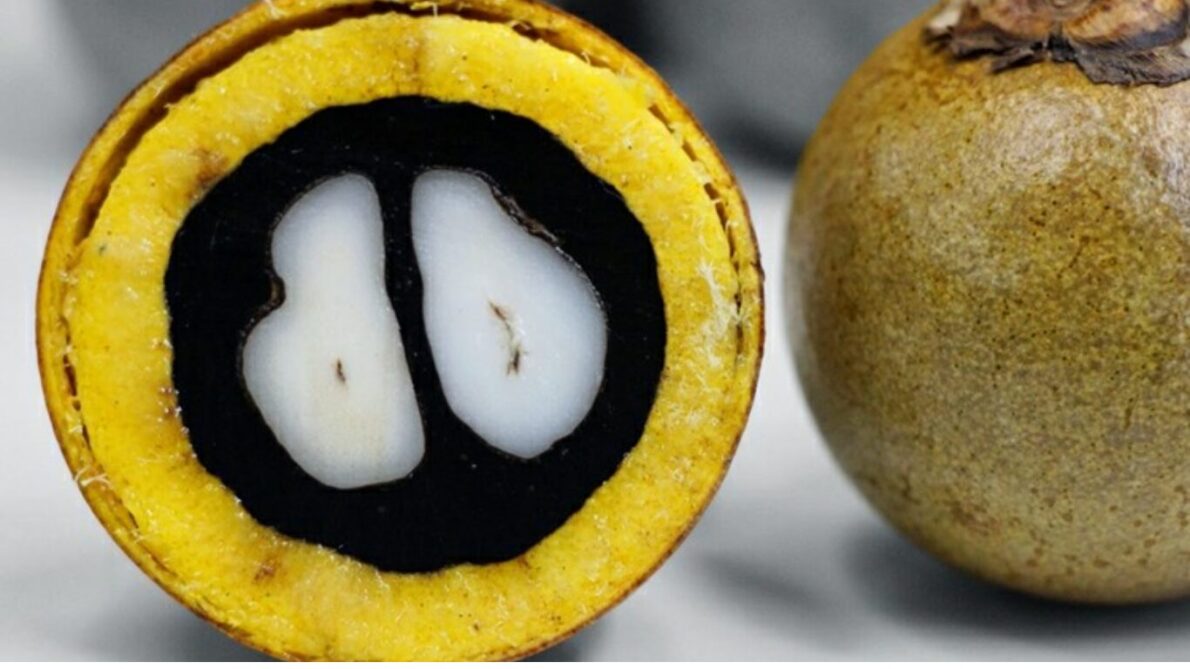
If the soy is the queen of national agribusiness, the macaúba could become a new “darling.” Also known as bocaiúva or coco-babão, this plant is an exceptional source of vegetable oil. What really impressed? Its ability to produce up to seven times more oil per hectare compared to soy. This means a significant impact on the market!
Acelen Renováveis, controlled by the Mubadala fund from the United Arab Emirates, demonstrates confidence in this potential and has already begun constructing the first sustainable aviation fuel (SAF) plant from Macaúba in Mataripe, Bahia. Former Embrapa president Maurício Antônio Lopes believes that the macaúba could hold similar importance to soy for Brazil, both in terms of oil production and its applications in the food, cosmetics, and, of course, fuel industries.
-
Low-Demand Brazilian Beef Offal Gains Popularity Abroad: Indonesia Purchases $19.5 Million, Boosting Revenue and Reducing Waste

-
Soy Expansion in Former Brazilian Savanna Sparks Water and Land Conflicts in Major Agricultural Frontier
-
Mexican Pest Threatens U.S. Cattle Herds at Historic Lows, Potentially Boosting Brazilian Beef Exports as Burger Prices Soar

-
Avocado Boom for European and U.S. Markets Fuels Water Crisis in Drought-Stricken Chilean Region




Economic And Environmental Impacts: A Revolution In The Field
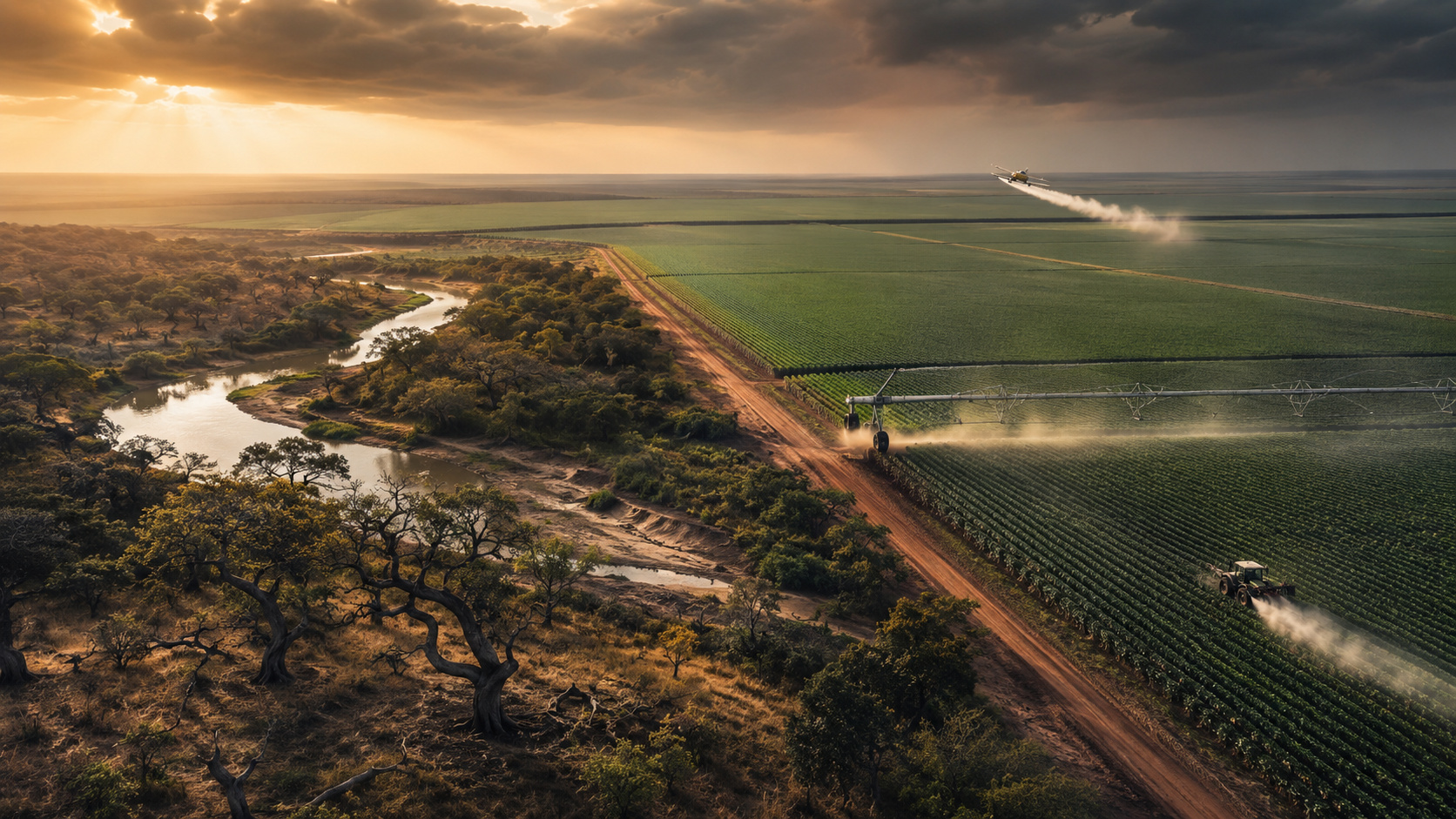
The Arab investment in Macaúba is not just a simple business issue; it’s a bet on the sustainability of Brazilian agribusiness. Acelen’s project is expected to mobilize nearly R$ 100 billion over the next ten years. Additionally, the initiative promises to generate around 90,000 direct and indirect jobs, mainly in degraded pasture areas, which will be revitalized and transformed into productive fields.
And it doesn’t stop there: cultivating macaúba in degraded areas contributes to the capture of carbon credits, a topic increasingly relevant in a world seeking solutions for global warming. In other words, in addition to generating income, the macaúba helps take care of our planet. And who wouldn’t want such a bonus?
Challenges And Opportunities: The Path To Global Leadership
Of course, not everything is simple. The efficient processing of macaúba for oil extraction still represents a challenge to be faced. However, with the partnership between Acelen and Embrapa, expectations are high. Soon, this native plant could be fully adapted and ready to compete on equal terms with other oilseeds, such as palm.
Genetic selection and the optimization of protection processes will be fundamental steps to maximize the economic and environmental benefits of macaúba. If all goes according to plan, Brazil could become a global leader in the production of renewable fuels, and Macaúba could be the engine of this revolution.
The Future Of Brazilian Agribusiness: Soy Or Macaúba?
The soy has always played a central role in Brazilian agribusiness, but the arrival of macaúba promises to shake up this scenario. With a billion-dollar investment from the United Arab Emirates, the macaúba could establish itself as a new star in the field, boosting the economy, creating jobs, and helping Brazil shine even brighter in the global biofuels market.
Are We Facing The Rise Of The Macaúba As The New Soy? While It Is Still Early To Say, One Thing Is Certain: Brazilian Agribusiness May Be On The Verge Of A Major Transformation. Share Your Opinion In The Comments!





Com.mais esse produto, a balança comercial tem a crescer cada vez mais.
Voltando aos índices de 12 anos atrás.
Emprego em alta em todas as regiões, não somente em parte do país.
Logo a mão de obra na região sul e sudeste voltará a ficar perderá a força de trabalho do norte e nordeste.
Isso faz com que a economia cresça e o beneficios sociais diminuam, fazendo com que o governo respire melhor, sobrando dinheiro para investimento seguro.
Excelente projeto ainda por cima porque colabora com uma economia de baixo carbono
É um grande potencial, que será melhor aproveitado se não for cultuvado como monocultura.