Portuguese
  Spanish


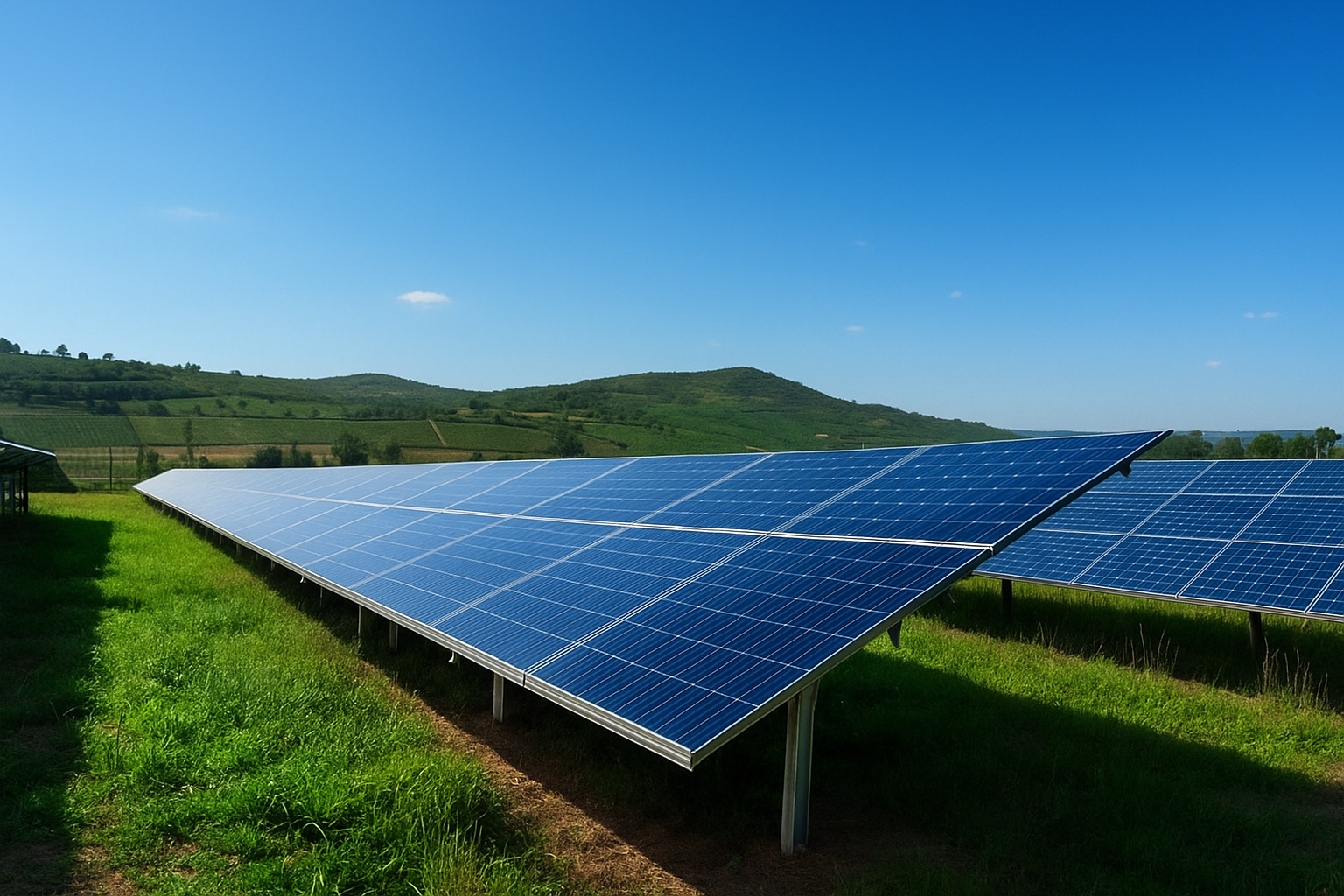

Discover How Clean Energy and Urban Tree Planting Transform Porto Alegre into an Example of Sustainability and Facing Extreme Heat.
The city of Porto Alegre, known for its landscapes and strong connection with the environment, has faced increasingly intense heat waves in recent years. These changes, which were once sporadic, have now become part of the daily routine for residents. Therefore, the southern capital has been adopting sustainable strategies that combine clean energy and urban tree planting to mitigate the effects of high temperatures.
Throughout its history, Porto Alegre has stood out for its close relationship with the Guaíba and its green areas. However, with urban growth and the increased use of fossil fuels, the city has also begun to face climate problems similar to those of other Brazilian metropolises. Thus, the current challenge is to reconcile urban development with sustainability actions that ensure quality of life for future generations.
The Importance of Clean Energy for the Urban Future
In recent years, clean energy has gained prominence in Porto Alegre’s public policies. The city has invested in renewable sources, such as solar and wind energy, which reduce greenhouse gas emissions and make the energy system more efficient. These initiatives not only help combat climate change but also create new economic opportunities.
-
Green Hydrogen Projects in Northeastern Brazil Stalled for 18 Months Awaiting Government Decree, Delaying Billions in Investments

-
Brazil Concludes Largest Energy Auction in History, Secures 18.97 GW and Mobilizes $12.8 Billion to Ensure Supply Until 2031
-
How Norway Produces More Energy Than It Consumes with Nearly 1,800 Hydropower Plants and Over 1,100 Reservoirs

-
Axia Energia Invests $280 Million in Q1, Increases Investments by 36%, and Turns Loss into $740 Million Profit


Since the 2000s, Brazil has been increasing the use of renewable energy. However, it was only in the last decade that Porto Alegre intensified its participation in this movement, with incentives for the installation of solar panels in residences and public buildings. These actions transform the local energy matrix and inspire other Brazilian cities.
Furthermore, the adoption of energy efficiency projects in schools, hospitals, and public agencies demonstrates how clean energy can be integrated into urban daily life. These measures not only reduce costs but also increase environmental awareness among the population.
According to experts, clean energy is one of the main solutions to mitigate the impacts of global warming. Porto Alegre shows that, with planning and political will, it is possible to transform the energy structure of a city, making it more resilient and prepared for the future.
Tree Planting as an Ally Against Heat
Another important pillar of the city’s sustainable policies is urban tree planting. The presence of trees in streets, squares, and parks helps reduce temperature, improve air quality, and provide well-being to citizens. Studies show that tree-covered areas can have temperatures up to 4 degrees lower compared to regions without green cover.
The history of tree planting in Porto Alegre dates back to the early 20th century when the first urban landscaping programs emerged. Over the decades, the city has maintained a tradition of caring for its green areas, such as Redenção Park and Moinhos de Vento Park, which are now symbols of balance between urbanization and nature.
In recent years, with the worsening heat waves, the city hall has intensified programs for planting native trees in areas with little vegetation. This action is essential because, in addition to mitigating heat, trees help absorb carbon dioxide and reduce the effect of urban heat islands.
In an integrated way, tree planting and the use of clean energy create a sustainable model of urban development. While trees provide thermal and environmental comfort, renewable sources ensure energy with a lower environmental impact.
Sustainability and Quality of Life
The combination of clean energy and tree planting reflects a vision of the future that prioritizes quality of life. In Porto Alegre, these initiatives have been accompanied by educational campaigns that encourage citizens to adopt more sustainable habits.
The population has come to understand that coping with heat depends not only on technology but also on cultural and social changes. Choosing less polluting transportation, reducing energy consumption, and participating in planting programs are actions that strengthen the collective commitment to the environment.
Additionally, the city has been developing partnerships with universities and private companies to research new ways of integrating green infrastructure and renewable energy. This union of science and public policy reinforces Porto Alegre’s role as a climate innovation laboratory in Brazil.
Historical Role and Example for Other Cities
Historically, Porto Alegre has always stood out for its environmental awareness and its ability to plan urban space in a balanced manner. Since the early decades of the 20th century, when the topic was still little discussed, the city already showed concern for the management of natural resources and the preservation of green areas.
In recent years, the advancement of climate change has brought new challenges but has also reinforced the importance of local and sustainable solutions. Cities that invest in clean energy and tree planting can reduce their energy costs, attract new investments, and improve the thermal comfort of the population.
Porto Alegre shows that the transition to a sustainable model is possible when there is urban planning combined with environmental awareness. The adoption of solar panels, the expansion of green areas, and the promotion of sustainable mobility have become references that can be replicated in other regions of the country.
Paths to a More Sustainable Future
Today, the biggest challenge is to expand and maintain sustainable policies continuously. To achieve this, it is necessary to invest in environmental education, encourage the energy autonomy of communities, and create mechanisms to make access to clean energy more accessible.
At the same time, it is essential that urban tree planting is treated as essential infrastructure, and not just as an aesthetic element. Trees, when planned strategically, play a decisive role in reducing electricity consumption, as they decrease the need for cooling in indoor environments.
The union of these two axes – clean energy and tree planting – places Porto Alegre on the path to becoming a model city in climate resilience. The experience of the southern capital reinforces that sustainability is not just a concept but a practice that transforms people’s daily lives.
In a global scenario of climate change and rising temperatures, local actions gain historical importance. What Porto Alegre does today serves as an example for other cities that wish to balance urban growth and environmental preservation.
By combining energy innovation, social responsibility, and environmental commitment, Porto Alegre proves that the future of cities can be greener, fairer, and, above all, more sustainable.