






 Portuguese
  Spanish
 2 min of reading


Last week, the Northern Fluminense State University Darcy Ribeiro (UENF) and the Acu Port signed a research project for the assessment of the technical feasibility of sediment reuse from the Acu dredging in the production of materials for civil construction. However, there are already some studies underway.
Lasting two years, some prototypes in the testing phase are pioneering projects of P&D – Research and Development – from the Acu Port. With eight scholarships already implemented from the “Innovative Company” program of CNPq, UENF students and researchers dedicate their time to studies in search of a sustainable and innovative solution, using the dredged sediments.
Professor Raul Palacio, rector of UENF, stated that this is a fundamental partnership for regional development. “The development of research at UENF involves interaction with companies.
Our partnership with the Acu Port, the largest enterprise in the region, will allow the university to understand the needs of industries and direct its courses, research, and training to meet societal demands, in addition to strengthening our Technology Park,” he said.
-
While many ports want to grow, Barcelona has decided to do the opposite and will cut cruise terminals from 7 to 5 after pressure from residents, protests, and crowds.

-
The United States wants to tighten control over submarine cables that carry 99% of international internet, silently cross oceans, total more than 400 routes worldwide, and have become a strategic piece in the competition for data, technology, and suppliers.
-
European Union looks again at Brazilian seafood after a nearly 8-year ban and may unlock a coveted market for lobster, tuna, tilapia, and shrimp.
-
Voltalia secures 322 MW of electrical connection in Pecém and targets data centers with renewable energy, robust network, and dedicated wind projects in Ceará.

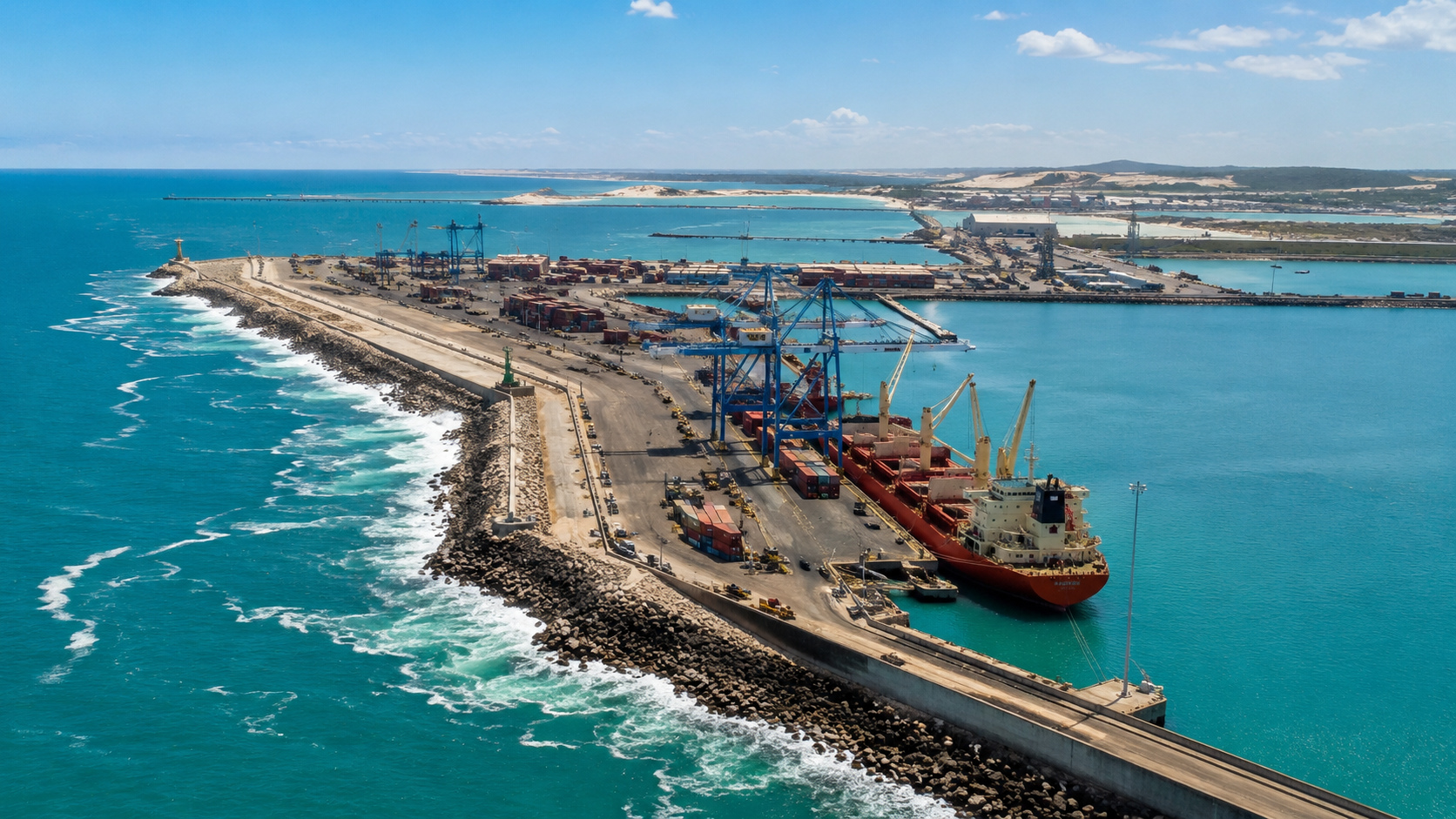
Acu Port
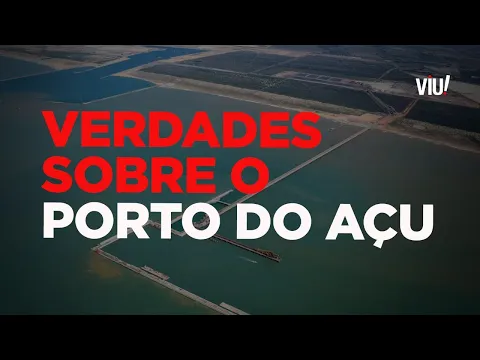

For the oceanographer at Acu Port Operations, Juliane Castro, the partnership with UENF is of great importance for the entire enterprise. “We are very excited to formalize this partnership with one of the main universities in the region, reinforcing our commitment to sustainability, innovation, and local development.
The dredging sludge reuse project for civil construction, our first official P&D, allows us to further strengthen the relationship with the academic community, fostering intrapreneurship and paving the way for new research.”
All waste from the dredging sludge will be studied as compounds in the production of bricks, interlocking blocks, mortar, among other materials, which can also be utilized in complex construction projects.







Be the first to react!