Portuguese
  Spanish



The Spanish city will reduce cruise terminals at the port, limit simultaneous passengers and try to alleviate the pressure of excessive tourism by 2030
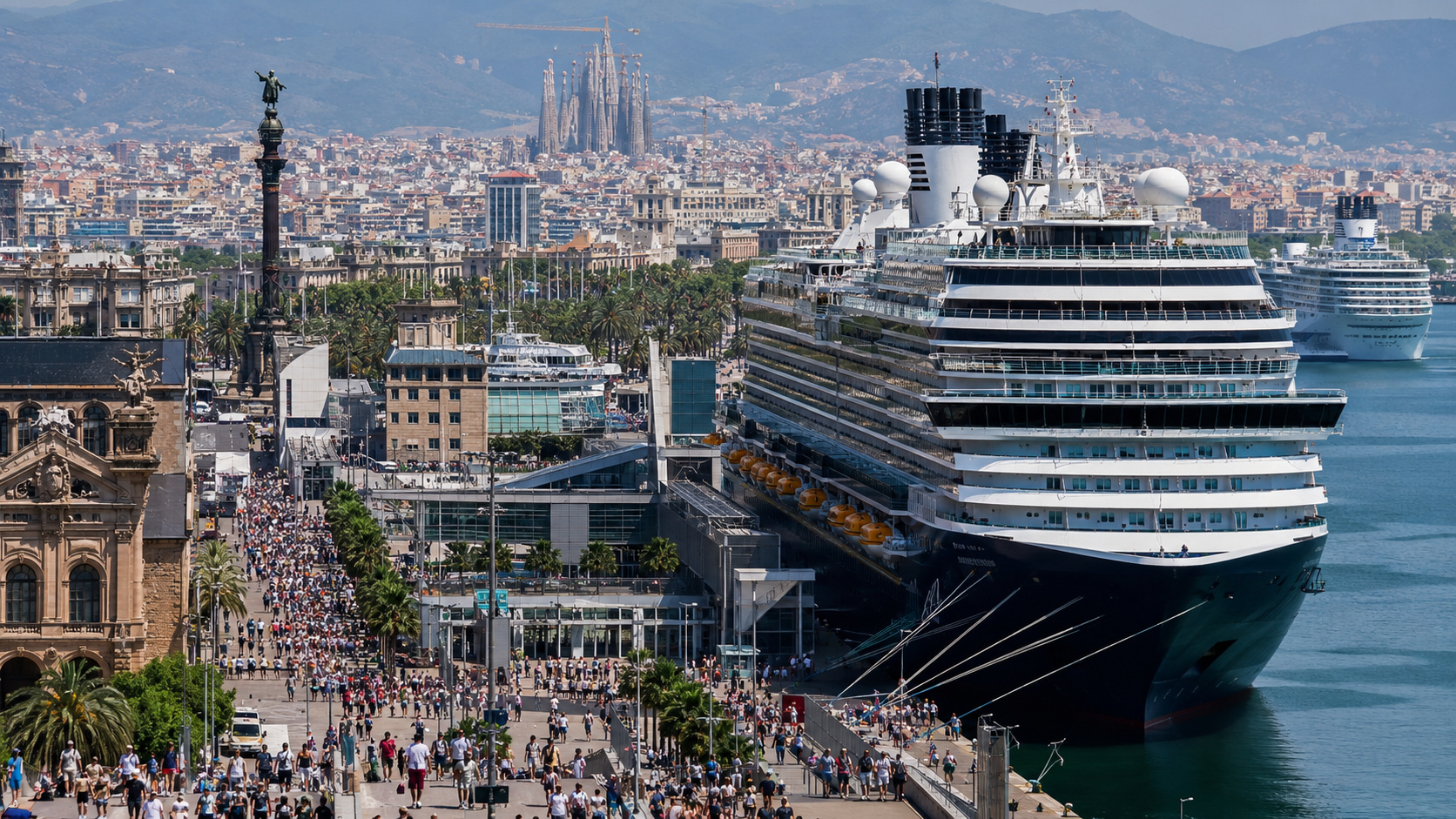
Barcelona has decided to take a rare path for a famous port city: reduce the cruise structure instead of expanding the arrival of ships. The agreement announced in July 2025 plans to cut cruise terminals from 7 to 5 by 2030.
The change involves the port of Barcelona, the residents, the tourists, and the operation of the ships arriving in the city. The information was published by Reuters, a news agency.
In practice, the city wants to decrease the simultaneous capacity of the port, that is, the number of passengers that can be served at the same time. The number should drop from 37,000 to 31,000 passengers by the end of the decade.
-
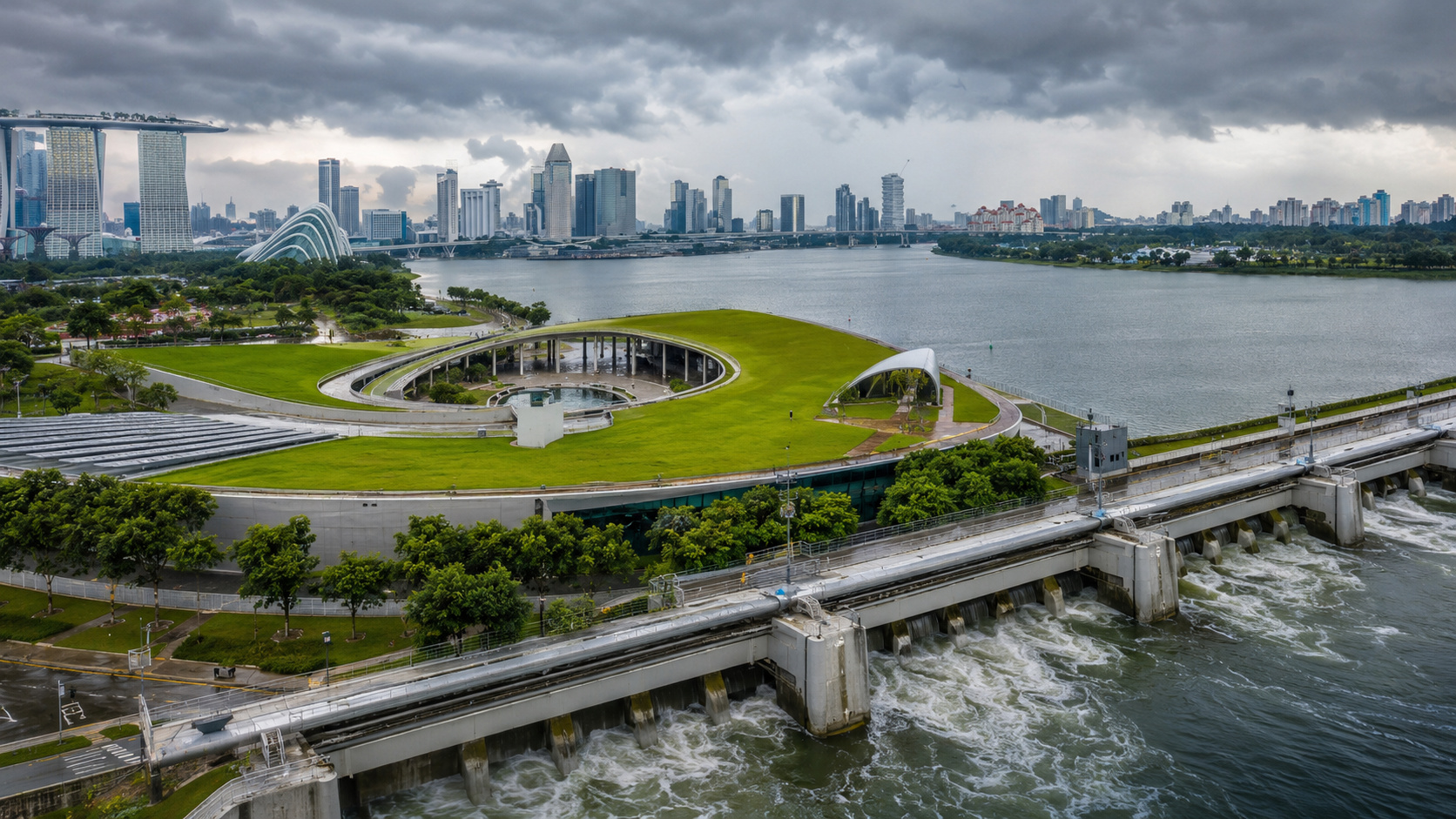
Coastal City Converts Part of Bay to Freshwater with 350-Meter Dam and Nine Gates to Prevent Flooding

-
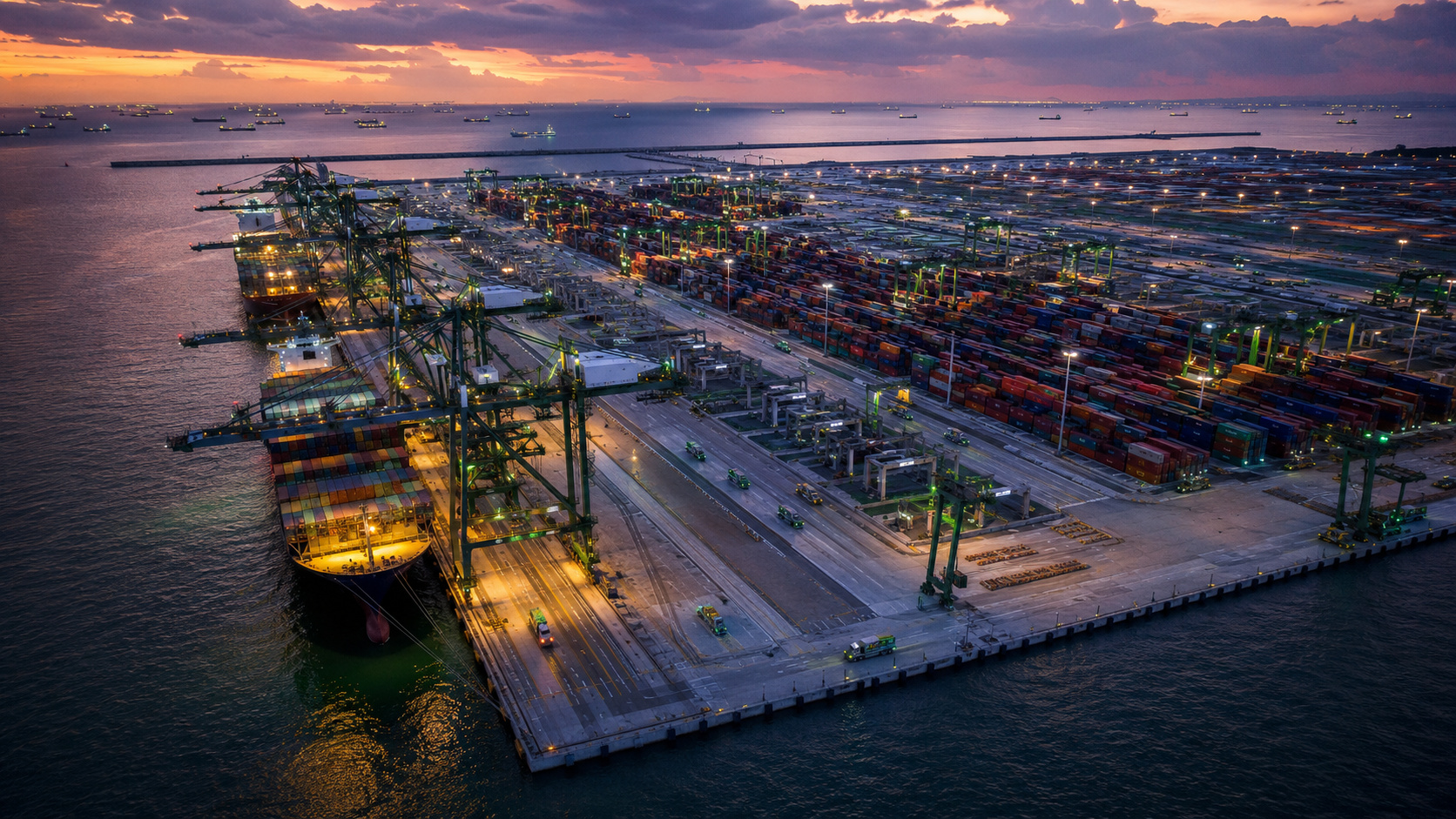
Singapore Expands into the Sea to Build 1,337-Hectare Port with 66 Berths, Electric Cranes, and Driverless Vehicles by 2040s
-
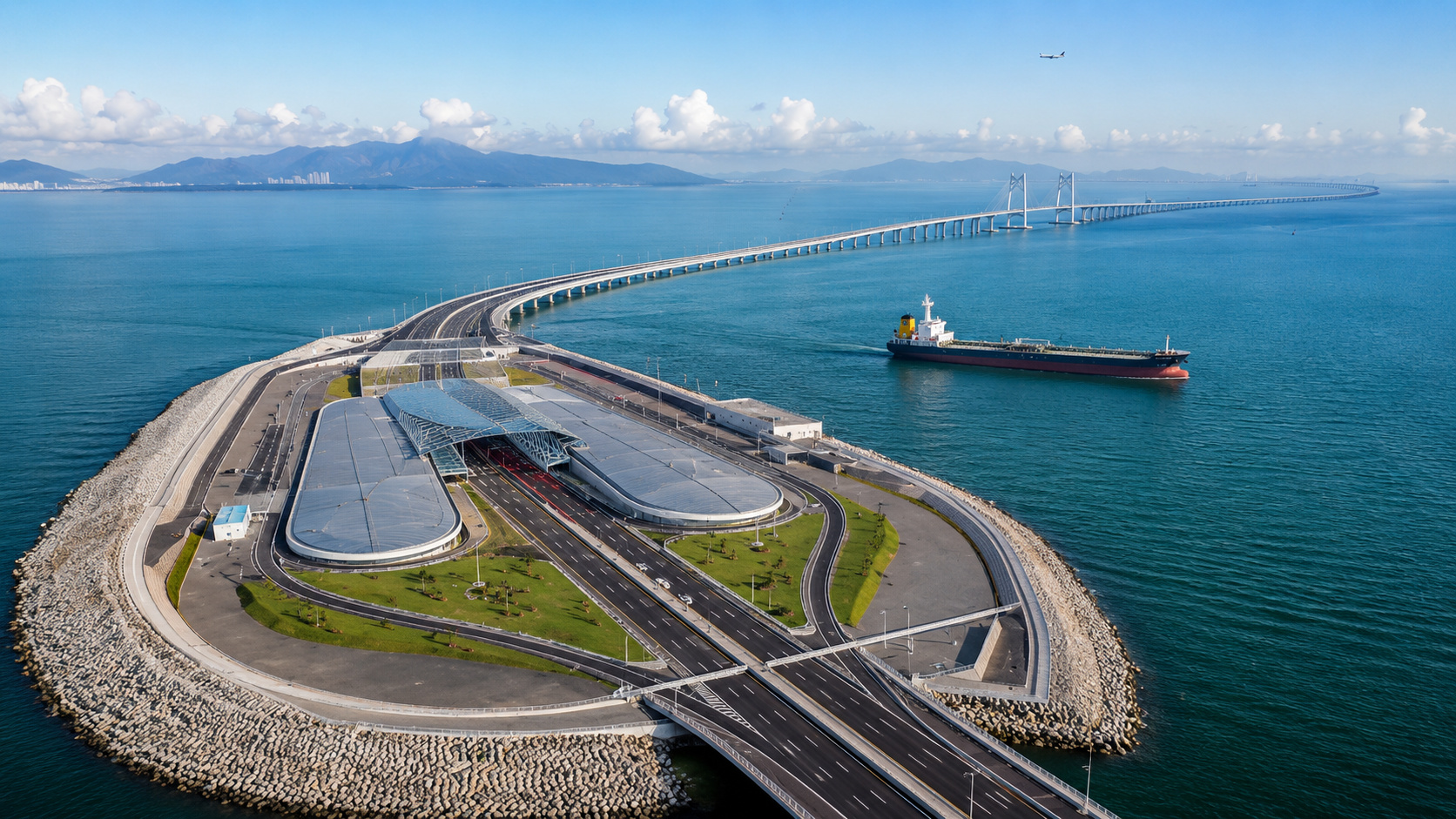
55 km Link Between Hong Kong, Zhuhai, and Macau Includes 33-Block Undersea Tunnel to Avoid Disrupting Ships and Planes
-
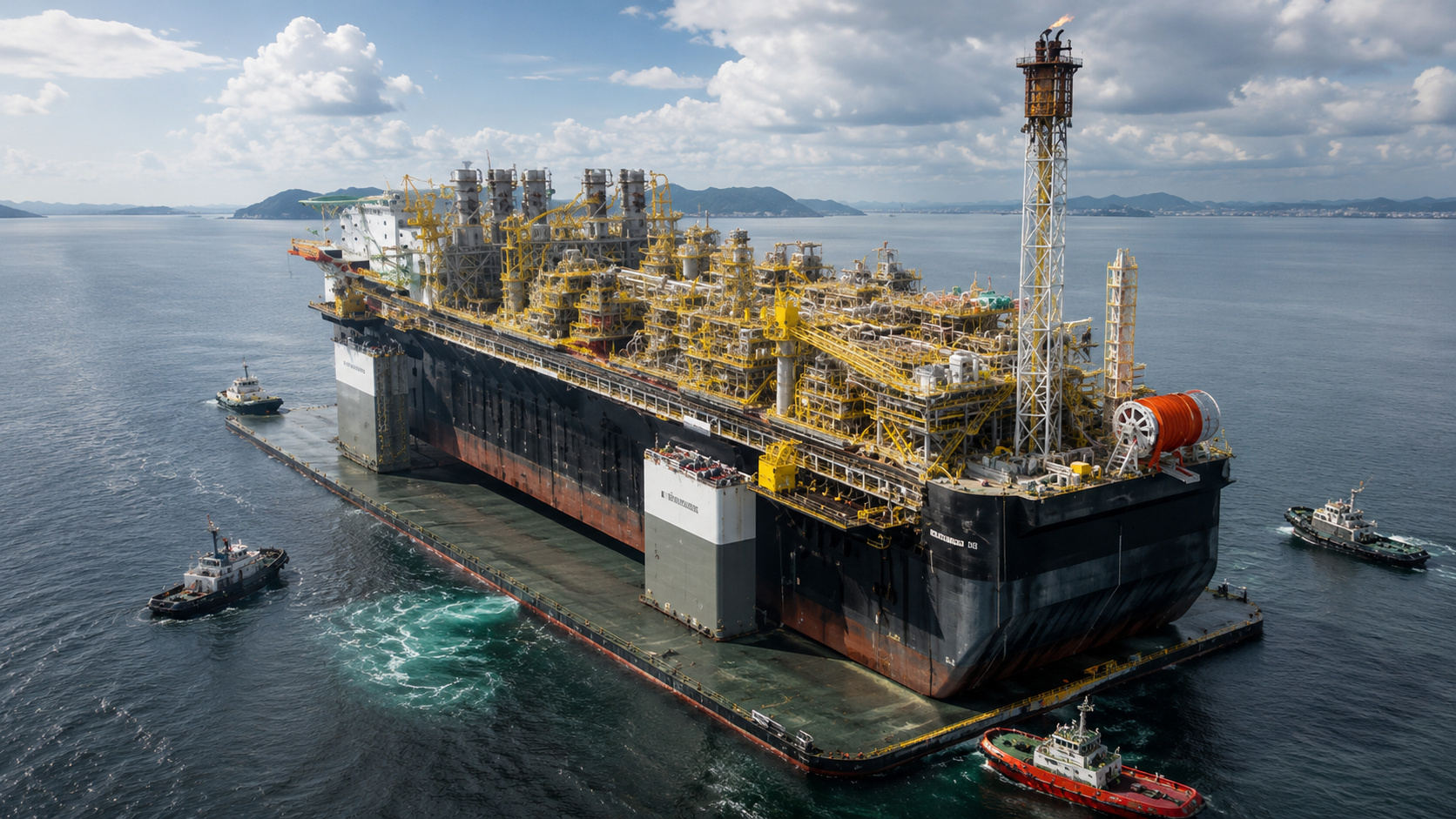
Giant Ship Appears to Sink as It Takes on Water to Load 91,000-Ton Platform from China to Rio de Janeiro
Barcelona will reduce terminals because the port has become a point of urban pressure
The port of Barcelona is not just an area for ships. It functions as a gateway for thousands of visitors who disembark, circulate through the city, and put pressure on transportation, streets, and tourist spots.
With the new agreement, the structure dedicated to cruises will be smaller. The reduction from 7 to 5 terminals shows that the city not only wants to better organize the flow but also place a physical limit on the operation.
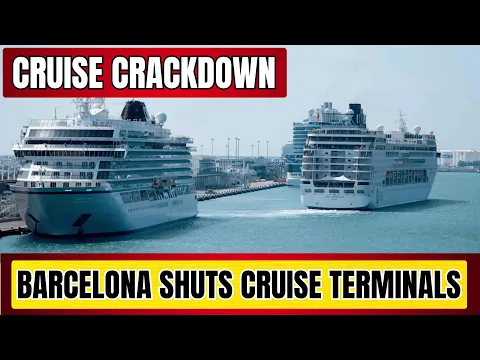

A cruise terminal is the space where passengers embark, disembark, and go through services related to the ship. When there are many terminals operating, the port can accommodate more people at the same time.
The impact appears outside the quay. More passengers also mean more buses, more queues, more movement in visited areas, and more competition for the use of the city.
The number of passengers grew 20% and reached 1.2 million in five months
Between January and May 2025, Barcelona received 1.2 million cruise passengers. This volume represented an increase of 20% compared to the same period in 2024.
In the same interval, cruise calls rose by 21%. A call is each stop made by a ship at the port, even when passengers stay only a few hours in the city.
Reuters, a news agency, provided the numbers and the mentioned timelines. This data helps to understand why the discussion moved from the tourism sector to the debate on urban planning.
The problem is not just tourism itself. Tension grows when many people arrive at the same time, occupy the same places, and leave little practical return for parts of the city.
Simultaneous capacity will decrease from 37,000 to 31,000 passengers by 2030
Simultaneous capacity is an important figure because it shows the port’s service limit at the same time. In Barcelona, it is expected to decrease from 37,000 to 31,000 passengers.
And the logic is that a port can be large, modern, and busy, but the surrounding city needs to withstand the effect of this mass arrival.
When thousands of visitors disembark from ships in a short time, the pressure does not remain at the terminal. It spreads across streets, transportation, commerce, tourist attractions, and areas of high circulation.
Therefore, cutting terminals works as an attempt to curb growth without ending the activity. Barcelona will continue to receive cruises, but with a smaller structure to limit the volume.
Home port and one-day stop explain the dispute for more control
The discussion also involves two types of operations. The home port is when the city serves as the starting or ending point of the journey. In this case, the passenger tends to spend more time in the location.
A one-day stop is different. The ship arrives, passengers disembark for a few hours, and then return to continue the journey. This model concentrates crowds in a short interval.
Barcelona wants to prioritize cruises that use the city as a base for boarding and disembarking. The idea is to favor trips that generate longer stays, rather than quick visits that increase congestion at tourist spots.
This difference is important because it shows that the city is not treating every cruise the same way. The focus is on the type of flow that most pressures the urban routine.
Protests against excessive tourism help explain the decision
Barcelona was already facing protests against excessive tourism and debates about overcrowding. The arrival of cruise ships became part of this conflict because it gathers many people in contested areas of the city.
The mayor Jaume Collboni, identified in the source as the mayor of Barcelona, stated in the announcement that limits were being placed on the growth of cruises in the city. The statement shows that the decision has political and urban weight.
The reduction of terminals also reinforces a change in perspective. For a long time, receiving more ships was seen as a sign of economic strength. Now, Barcelona is trying to measure the cost of this expansion for those who live in the city.
This decision could become a reference for other destinations pressured by crowds. After all, growth in tourism does not always mean improving urban life.
Fewer terminals also facilitate the connection of ships to the local power grid
The reorganization of the port should also help in connecting ships to the local power grid. In simple terms, this allows vessels to use onshore power while docked.
This type of structure can reduce emissions during the stay at the port. The impact is significant because docked ships still keep systems running, even without sailing.
The change, therefore, involves not only tourism. It also touches on port infrastructure, energy, and maritime operation.
For a crowded city, each adjustment in the port can have a direct effect outside it. Fewer terminals, less simultaneous capacity, and better electrical infrastructure are part of the same reorganization plan.
Barcelona’s decision shows that limiting can also be planning
Barcelona will reduce cruise terminals from 7 to 5 by 2030 and decrease simultaneous capacity from 37,000 to 31,000 passengers. The cut comes after a 21% increase in stops and a 20% increase in the number of passengers between January and May 2025.
The case draws attention because it contradicts the common expansion logic in many ports. Instead of opening more space for ships and crowds, Barcelona decided to set limits on the structure that receives cruises.
For cities that depend on tourism, the question becomes increasingly difficult: to what extent does receiving more visitors help the economy without making residents’ lives harder? Share your opinion and join this discussion.