Portuguese
  Spanish


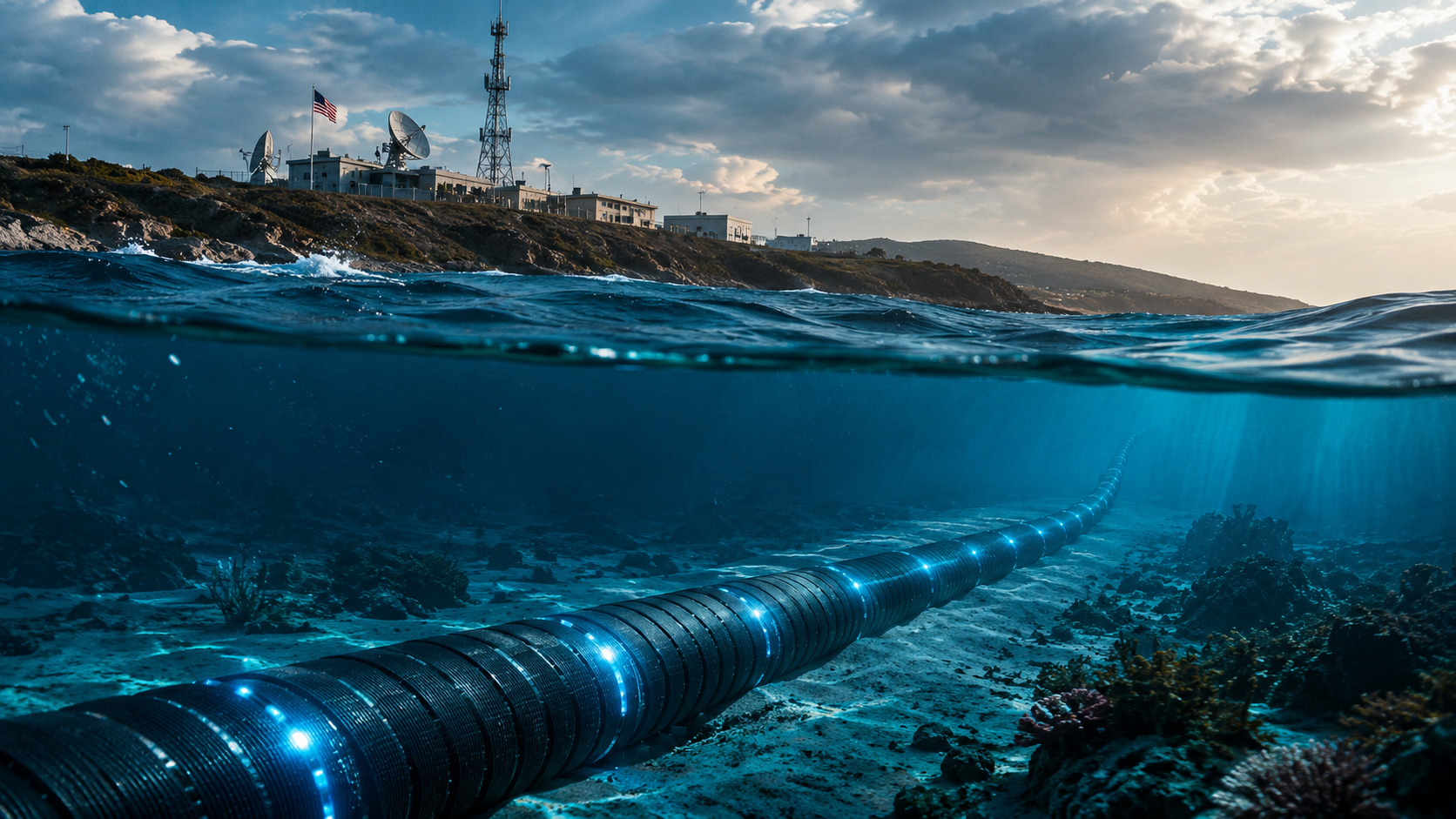

Submarine cables transport 99% of international internet, remain out of public view, connect countries under the sea, and are now entering a dispute over security, data, technology, and suppliers
The United States wants to tighten control over submarine cables that carry almost all international internet and remain far from public eyes, at the bottom of the sea.
The information was published by Reuters, an international news agency, on June 3, 2026. The case involves the Federal Communications Commission, a regulatory agency in the United States, which plans to expand oversight of submarine communication cables.
The number that explains the weight of the decision is enormous: these cables carry 99% of international internet traffic. Messages, videos, payments, digital services, and data crossing borders depend on this physical infrastructure installed under the oceans.
-
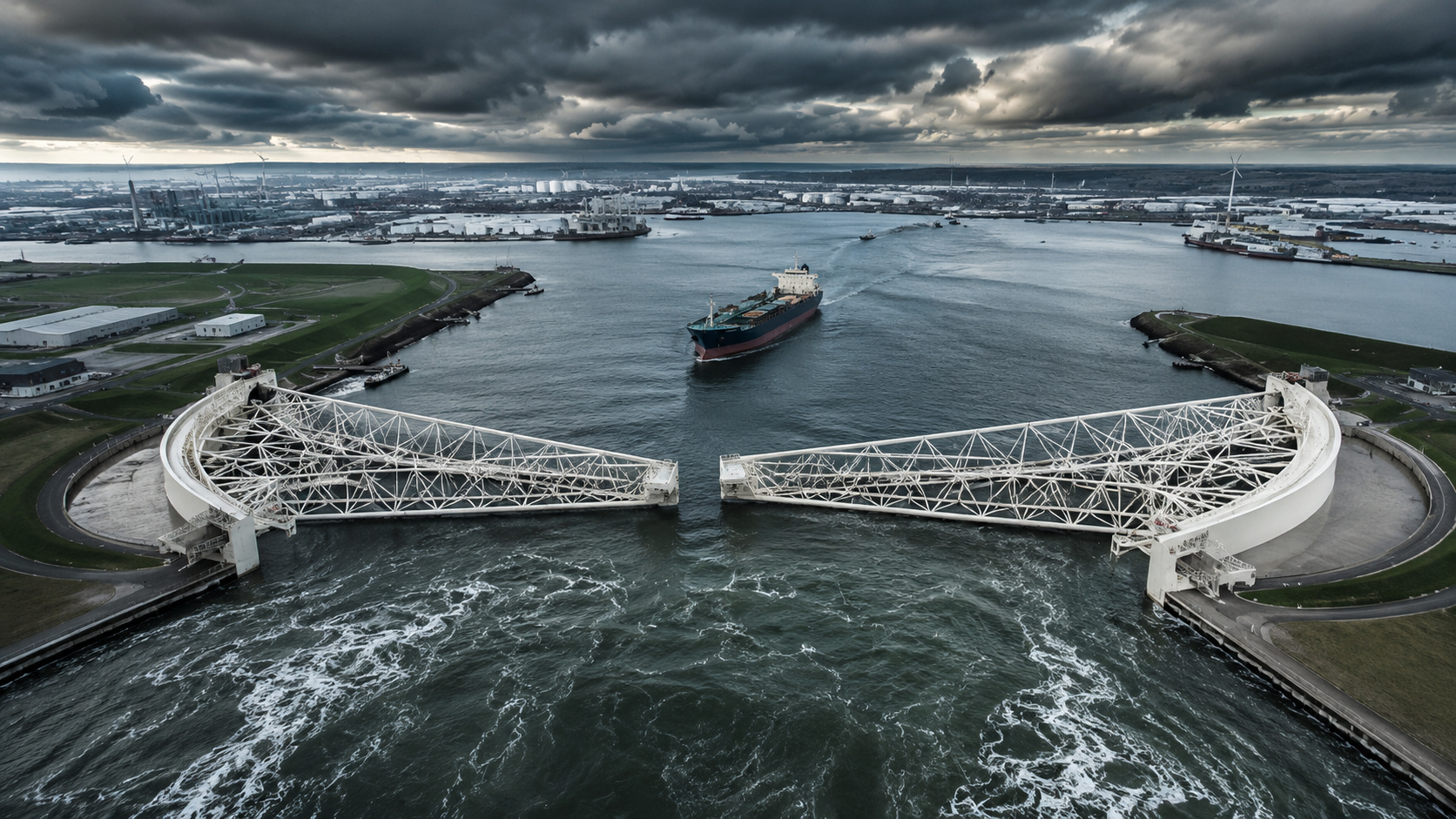
Giant Floating Gates Protect Rotterdam from Rising Sea Levels at One of Europe’s Largest Ports

-
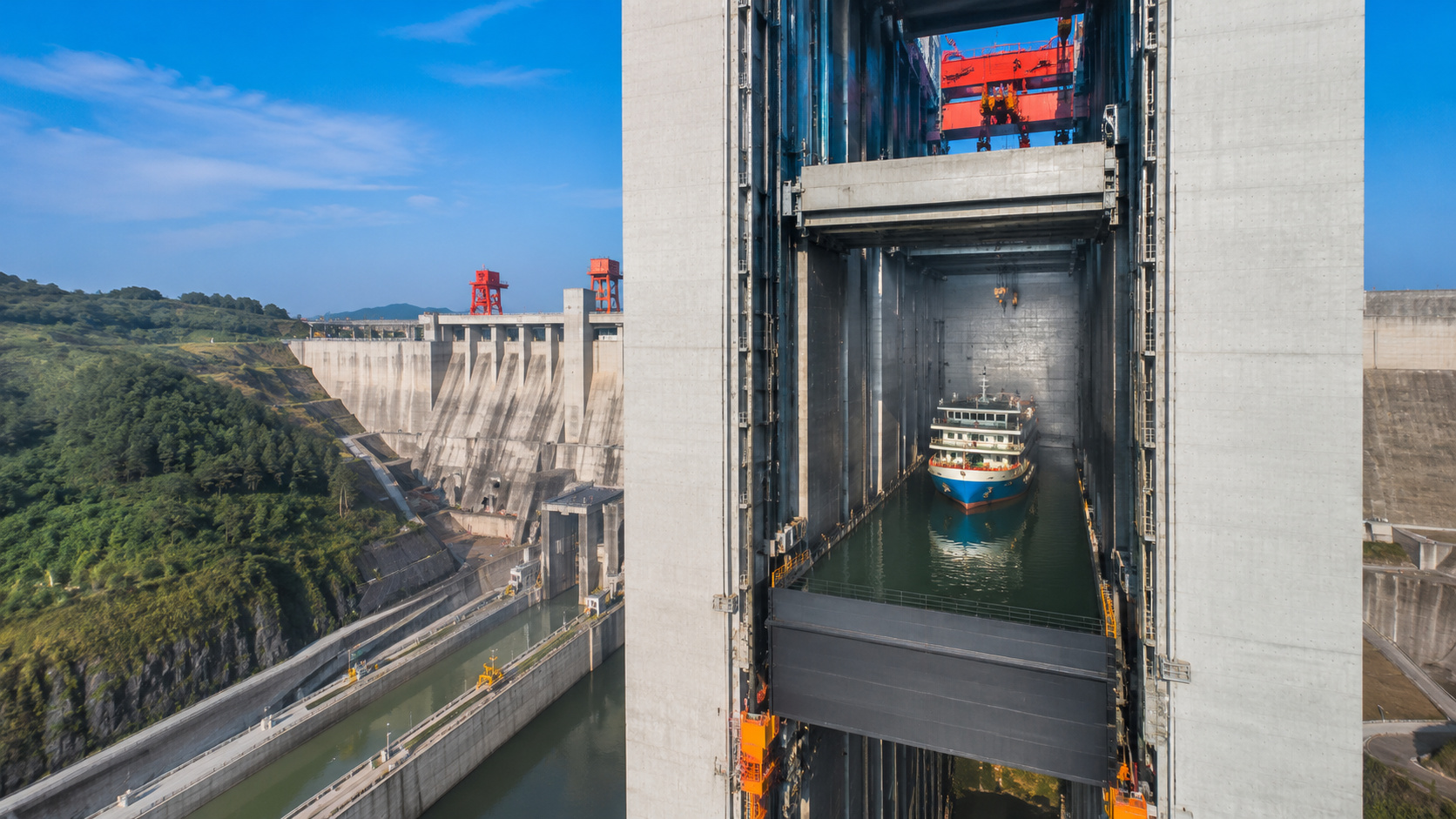
Chinese Ship Elevator Lifts Vessels 113 Meters in 40 Minutes, Bypassing Five Locks
-
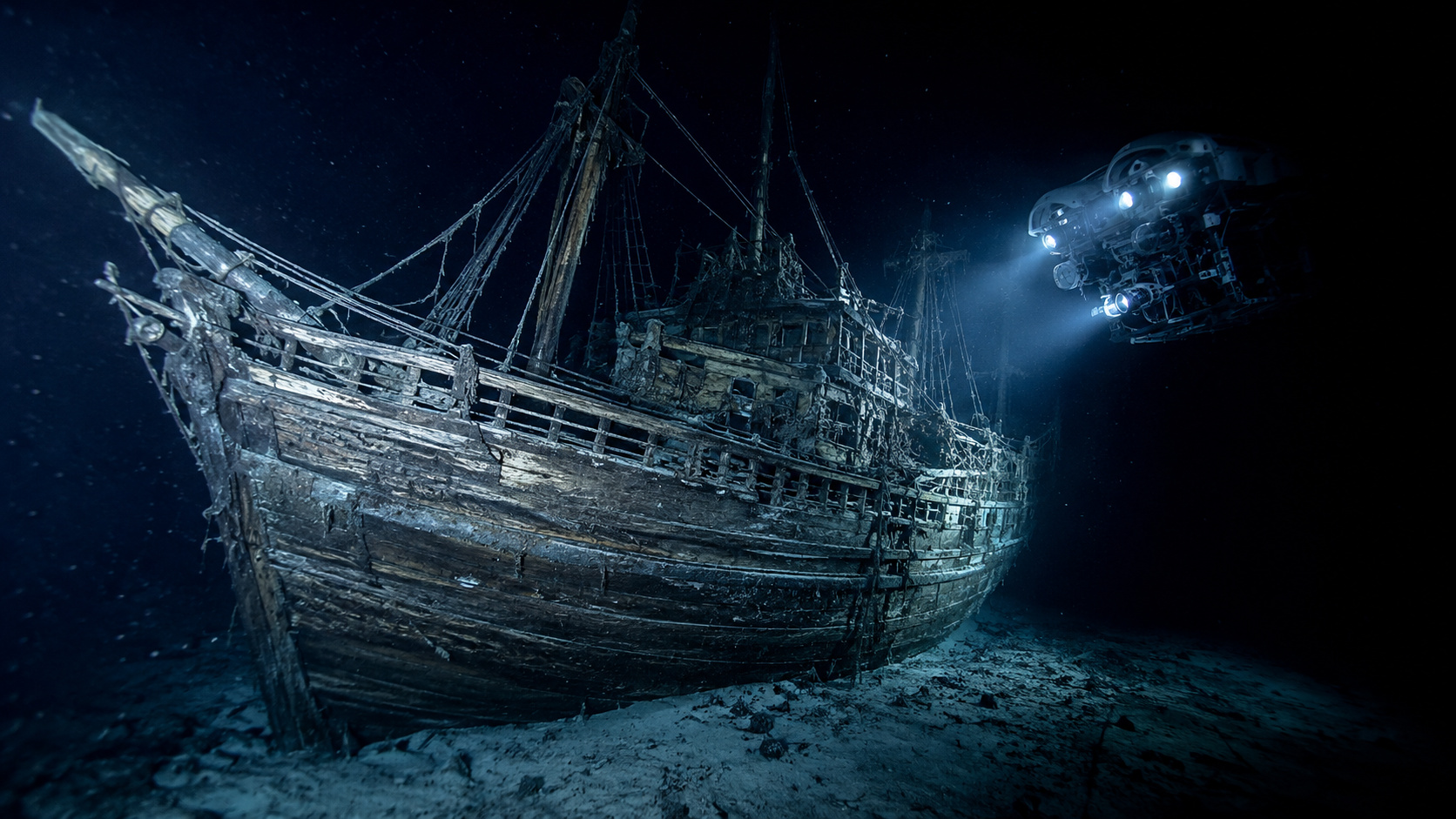
Wooden Ship Lost Under Antarctic Ice for 107 Years Found Nearly Intact at 3,008 Meters Depth, Filmed by Robots Without Human Contact
-
Japanese Ship Transforms into Floating Lab, Drills 7,740 Meters Below Sea to Study Earthquake Zones

The internet that seems invisible passes through physical cables at the bottom of the sea
Many people imagine that international internet travels mainly via satellites. However, most of the traffic between countries passes through submarine cables, protected wires that cross oceans and connect continents.
These cables perform a simple task to understand: they carry data from one country to another. When someone accesses a foreign service, makes an international video call, or uses a platform hosted outside Brazil, part of this path may pass through such structures.
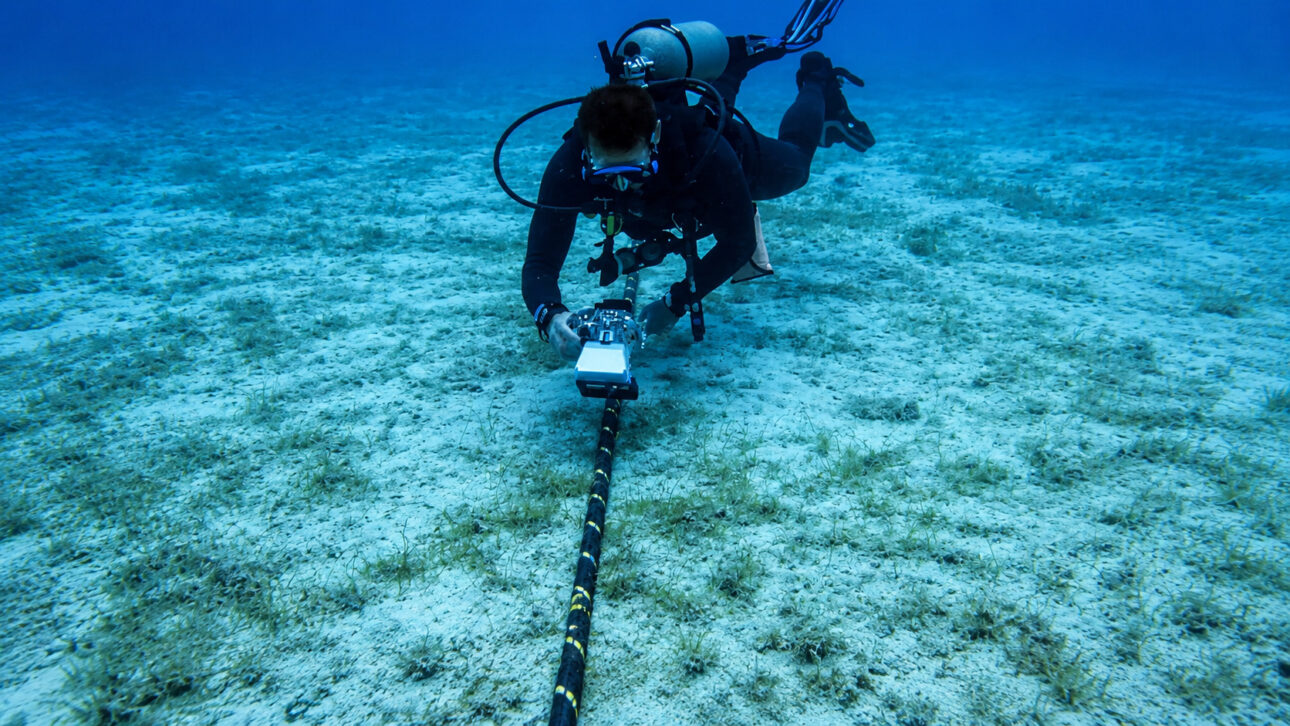
The network cited by Washington has more than 400 submarine cables. This shows that the global internet is not just an abstract idea. It depends on equipment, routes, authorizations, and companies that keep these systems in operation.
FCC wants to demand more control over equipment connecting cables to the onshore network
The Federal Communications Commission, the United States regulatory agency, plans to require licenses for operators of equipment used in the connection between submarine cables and onshore facilities in the United States.
License, in this case, means authorization to operate. In simple terms, the agency wants more control over who can use and manage critical parts of this infrastructure.
This equipment is important because it makes the connection between the cable arriving by sea and the network operating on land. Without this connection, the cable cannot fulfill its function of transporting data between countries.
Chinese companies may face more barriers in systems connected to the United States
The proposal also targets suppliers considered sensitive by the United States. If it advances, the rule may hinder the participation of Chinese companies in supplying equipment used in submarine cables.
The issue involves national security and data protection. This means that submarine cables have ceased to be just a technical structure and have become treated as a strategic part of the digital economy.
The information was disclosed by Reuters, international news agency. The investigation also indicates that the proposal may accelerate approvals for suppliers seen as trustworthy by the United States.
More than 400 submarine cables place international internet at the center of the technology dispute
The global network with more than 400 submarine cables helps explain why governments observe this infrastructure closely. Each cable can be part of the path used by data from companies, banks, digital platforms, and common users.
Therefore, the dispute is not only in the use of the internet. It also involves who manufactures equipment, who installs systems, who operates the routes, and who receives authorization to connect these cables to national networks.
The new proposal from the United States attempts to reinforce this control. At the same time, it may favor companies considered trustworthy within the technology and communication market.
The rule is still a proposal and should not be read as a change already completed
The most important point is the status of the information. The action of the Federal Communications Commission is a planned measure, not a rule already finalized in the published material.
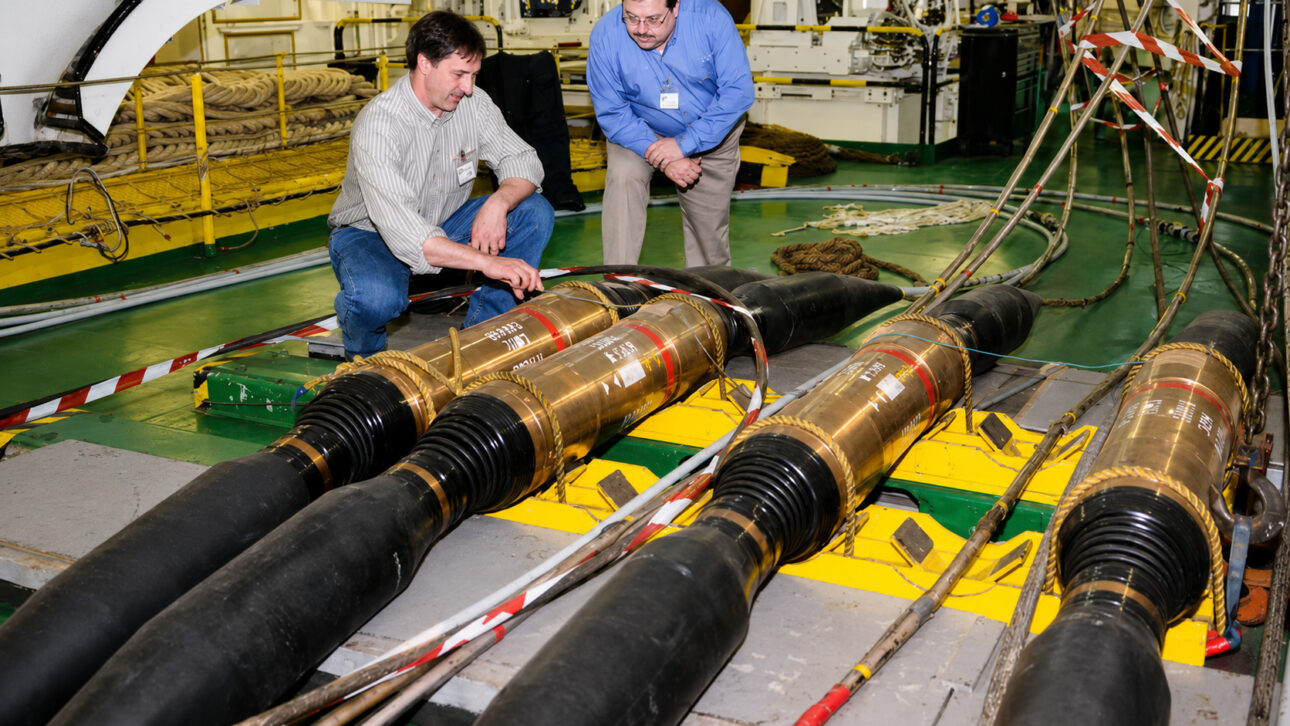
This care avoids a misreading of the case. The United States has not announced an immediate replacement of all cables in the world. What exists is a plan to tighten supervision over systems connected to the country.
Even so, the issue has international impact. Since submarine cables carry 99% of international internet, any regulatory change made by a technological power can affect companies and suppliers in various parts of the world.
What changes in practice for those who use the internet every day
For the common user, nothing indicates an immediate change in browsing, apps, or social networks. The impact is on the foundation that keeps the international internet functioning.
The discussion matters because it shows that the internet does not depend only on screens, towers, and satellites. It also depends on physical cables at the bottom of the sea, on land equipment, and on decisions made by regulatory bodies.
This invisible infrastructure supports simple and common activities, such as sending files, watching videos, working remotely, and accessing digital services from other countries.
The submarine cables remain one of the most important bases of international internet. They carry 99% of international internet traffic and form a network with more than 400 cables spread around the world.
The United States’ proposal puts this hidden structure at the bottom of the sea at the center of a dispute over data, technology, and suppliers. If almost all the internet passes through submarine cables, who should control the rules of this infrastructure: governments, companies, or a global coordination? Comment and share this post.