






 Portuguese
  Spanish


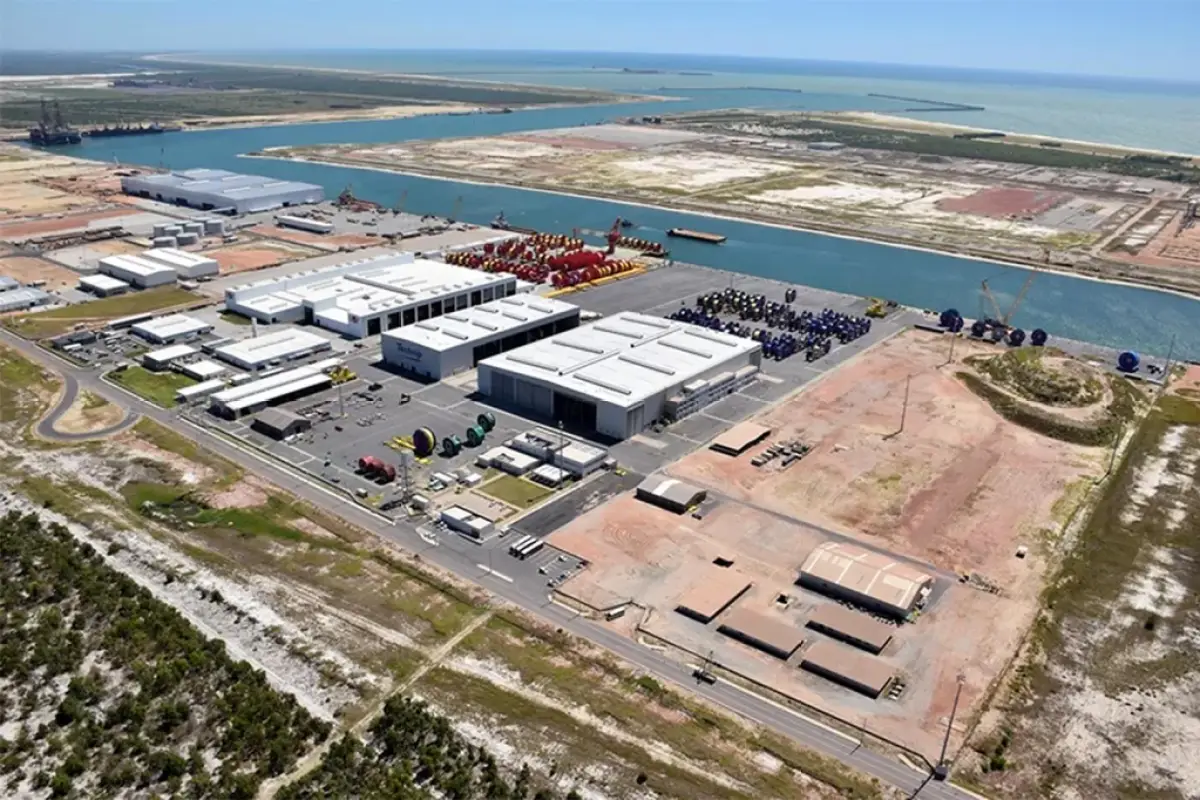
The Multicargas Terminal at Port of Açu Received More Than 1,900 Trucks with Over 70,000 Tons of Spodumene for Shipment. However, It Reached a Record Cargo Movement in Just One Operation.
Initially, the client’s mineral left Port Açu and went directly to China. Therefore, due to confidentiality, Port of Açu cannot disclose the name of the ship and the company that is the client and is involved in this operation.
In this case, the company issued a statement on the matter: “This milestone reinforces the competitive advantage of our terminal, which has a complete structure to accommodate large vessels, with a seamless operation, customized service, and efficient solutions.”
In 2022, T-MULT handled about 1.7 million tons, which is a record annual amount since its activities began in 2016. The terminal also recorded 5.9 million tons with 48 clients in its portfolio, and the average annual growth was 45%. Thus, it is preparing demand to increase expansion.
-
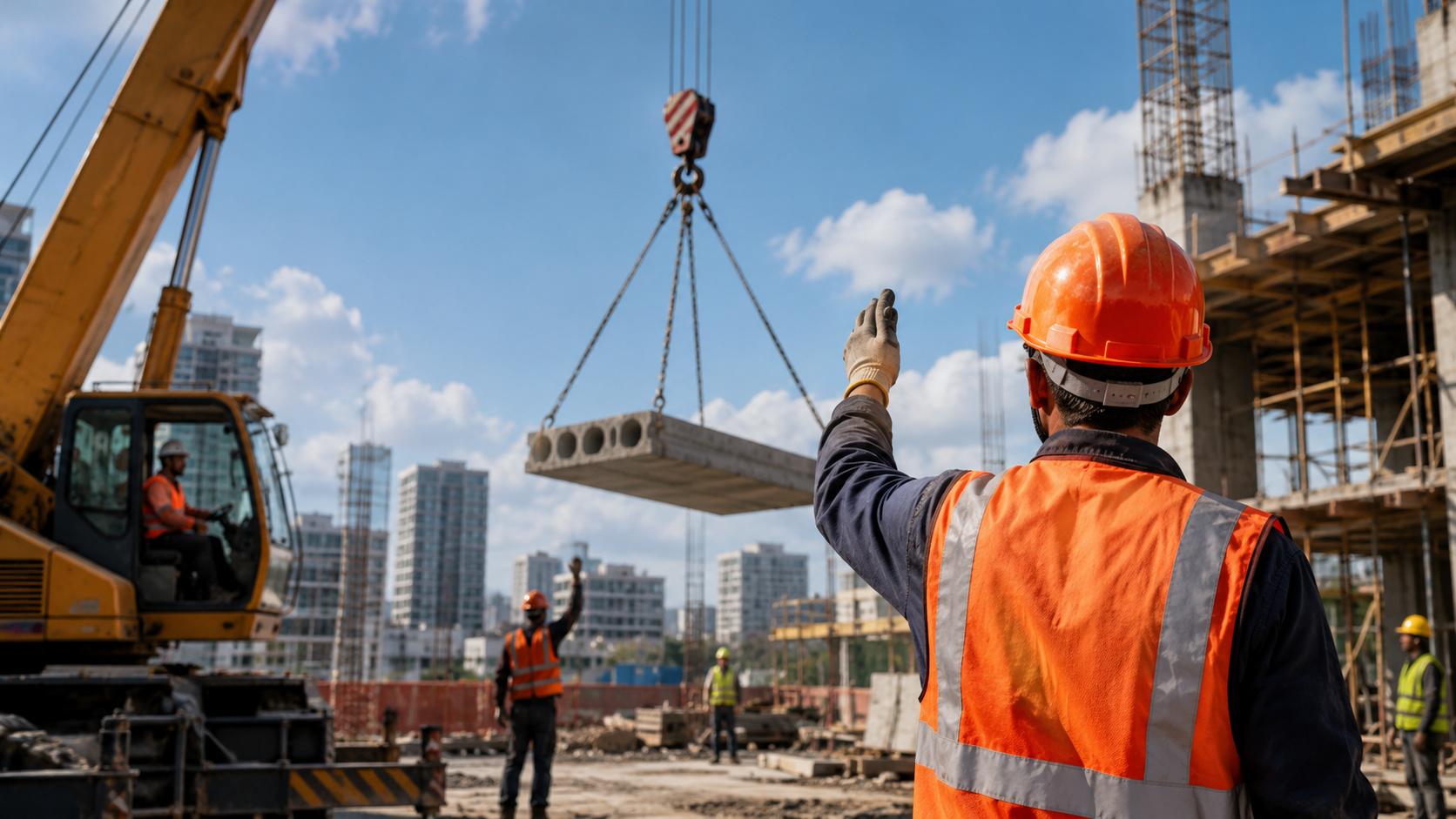
Why can the crane operator only obey the correct signalman on the construction site: among dozens of workers, a hand raised by the wrong person can confuse the maneuver and turn a load of tons into an immediate risk.

-
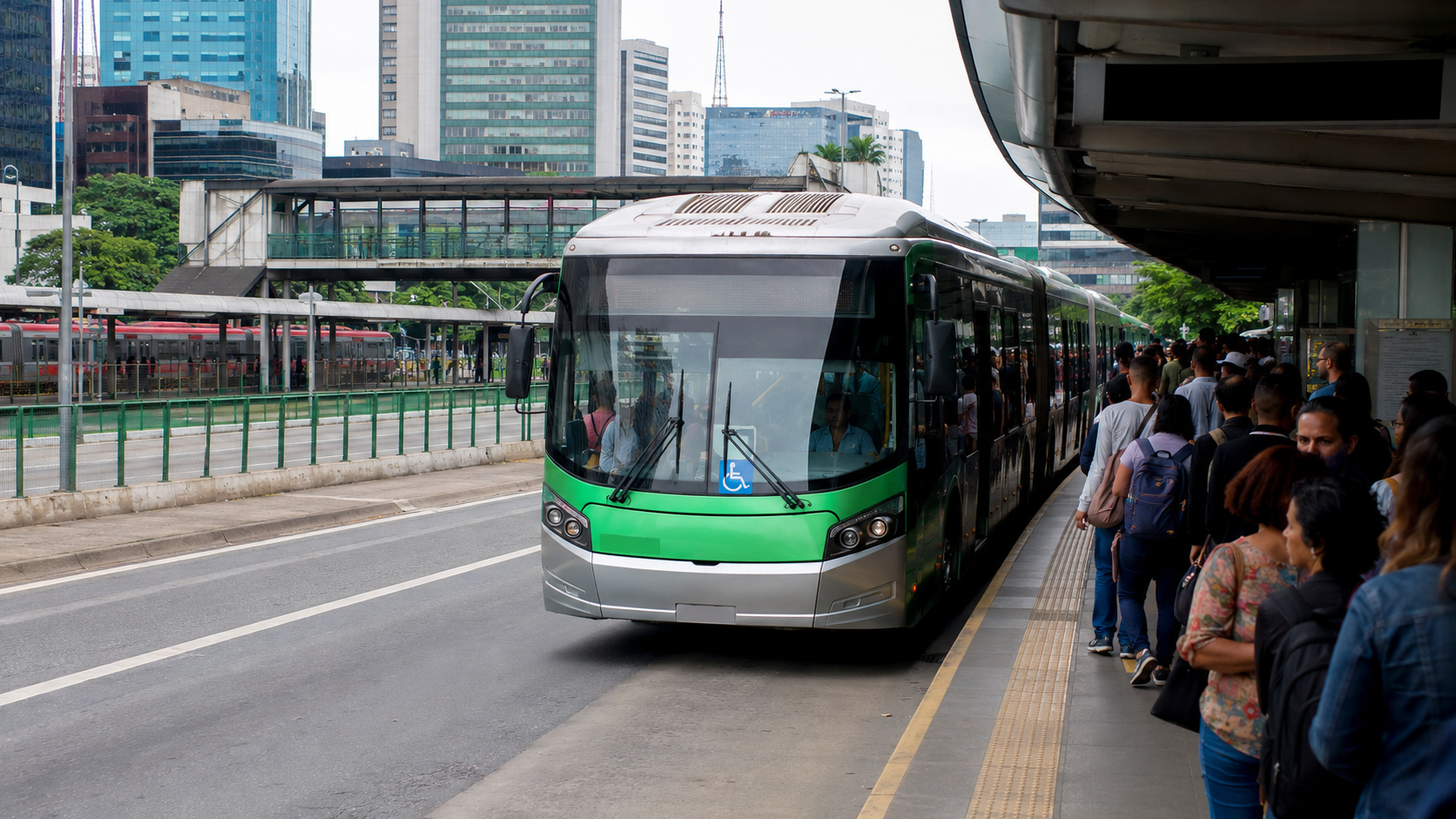
What changes with the new public transportation rules that can reduce pressure on fares and pave the way for zero fare in Brazil?
-
Three Chinese companies manufacture more than 96% of the world’s dry cargo containers and 100% of refrigerated ones, in a dominance built over 40 years that has made it almost impossible for the West to compete in this market.

-
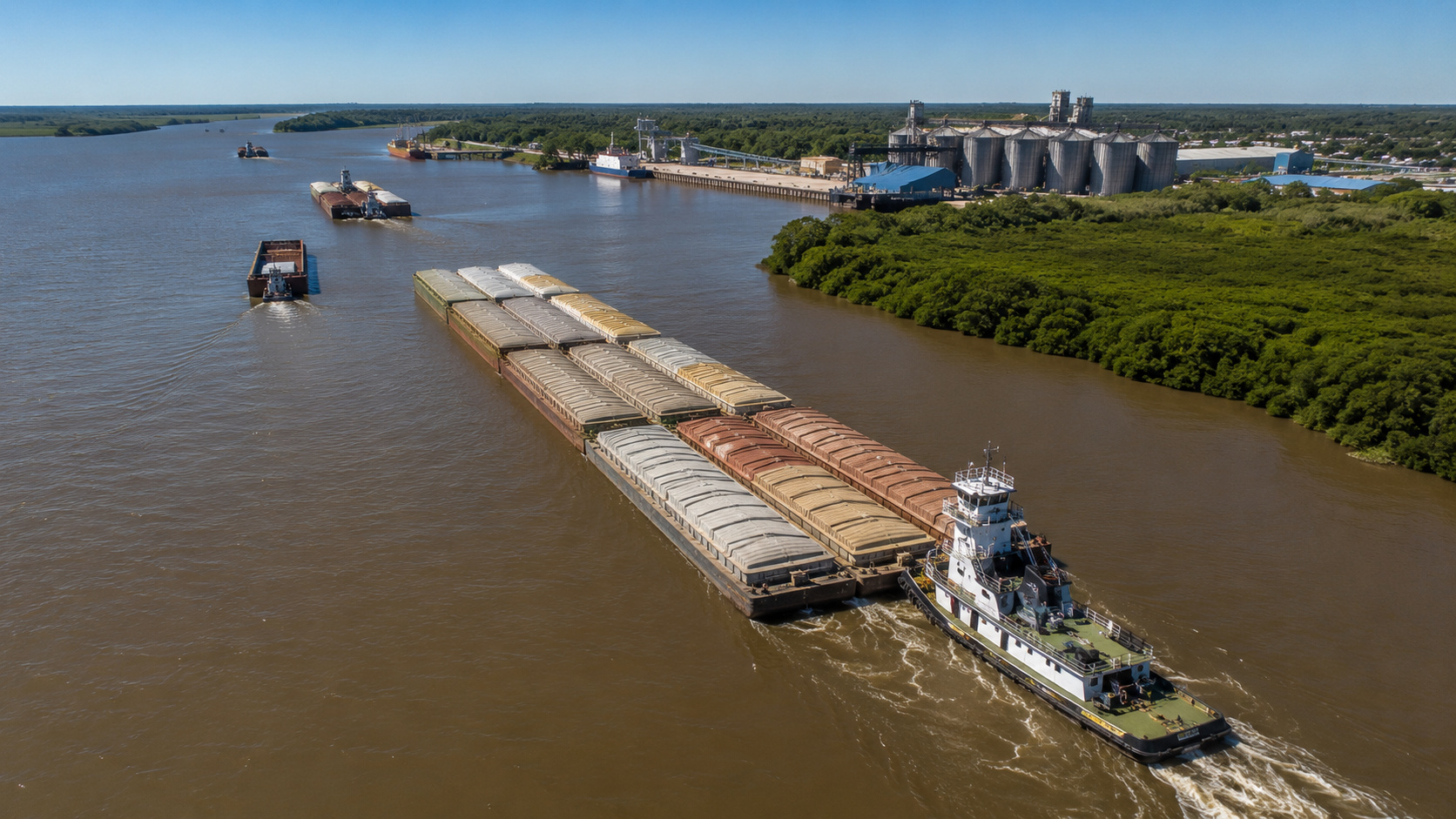
Argentina confirms Belgian giant to lead strategic Paraná River waterway and promises to reduce logistical costs on one of South America’s most important routes

Features of the Multicargas Terminal at Port of Açu
The T-MULT Multicargas terminal has the capacity to handle different types of solid bulk, such as: Mining, Coal, Bauxite, Iron, iron ore, beach iron, and pig iron. Additionally, it can also handle fertilizers and other types of mining. General cargo, containers, and project cargo can also be moved. To explain further, here are some characteristics of the terminal:
- Private terminal: optimizing costs and reducing bureaucracy;
- Terminal managed by Port of Açu operations JV Prumo and Port Antwerp and Bruges;
- Handling of dry bulk and general cargo includes project cargo and containers;
- Has RoRo license;
- The terminal has been operational since 2016 (no mooring delays and access to uncongested roads);
- Regular service for containers and project cargo from Açu and Rio de Janeiro;
- Additional services: stuffing and stripping of containers and storage;
- Port of Açu is the first private port in Brazil to operate a center authorized by the navy;
- Proximity to major O&G market players;
The infrastructure is also highlighted as it features 14.5m depth, 13.1m draft, 500m pier, 182,000m² of customs area, 10 ton/m² soil capacity, and 1 million m² of storage area to support services and access to uncongested roads.









Be the first to react!