






 Portuguese
  Spanish
 3 min of reading


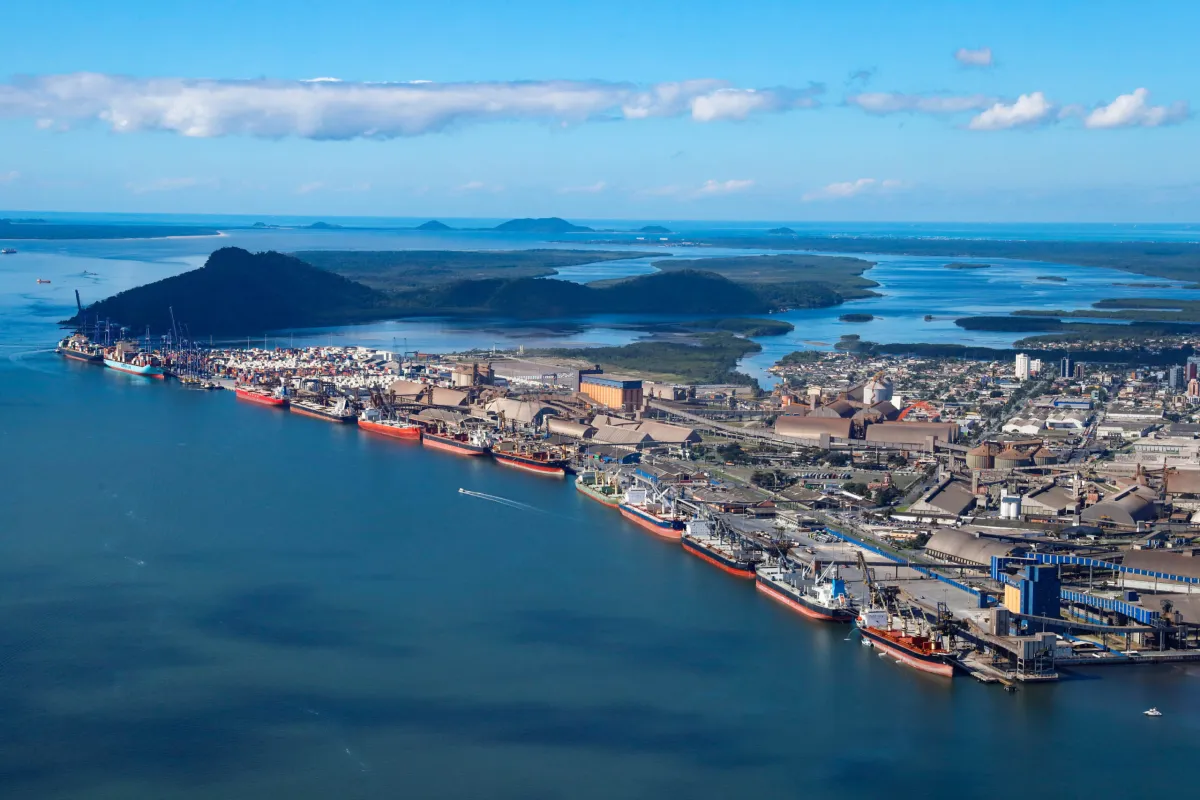
The Company That Manages The Container Terminal Of Paranaguá, TCP, Ended The Year 2022 With The Highest Movements In Its History, With About 1.16 Million TEUs (Units That Equate To A 20-Foot Container).
The result occurred in a record year of operational productivity and is also the result of investments to improve service for importers, exporters, and shipping companies. The closure is 5% higher than in 2021, when the company handled about 1.1 million TEUs.
The successive investments in productivity were one of the keys for the Container Terminal of Paranaguá to grow by about 5% after the turbulent periods with foreign trade. James Cao, CEO of TCP, explains how improvements have positively impacted operations:
“Our expanded structure allowed TCP’s operational team to achieve record levels of productivity, resulting in more ships being operated more quickly, with a significant reduction in the number of omissions. For 2023, we will enhance our equipment fleet and capacity to receive loads.”
-
What changes with the new public transportation rules that can reduce pressure on fares and pave the way for zero fare in Brazil?

-
Three Chinese companies manufacture more than 96% of the world’s dry cargo containers and 100% of refrigerated ones, in a dominance built over 40 years that has made it almost impossible for the West to compete in this market.

-
Argentina confirms Belgian giant to lead strategic Paraná River waterway and promises to reduce logistical costs on one of South America’s most important routes
-
MBRF surprises the logistics sector by demonstrating how Artificial Intelligence can directly influence deliveries throughout Brazil by reorganizing distribution routes in seconds, optimizing fleet usage, reducing logistics costs, and speeding up product arrivals even in the face of unforeseen road incidents.

In the area of exports, the highlight was the frozen products, which have the highest number of plugs for refrigerated containers among Brazilian terminals. There were about 208,479 TEUs, totaling 8% more than in 2021.
“One of the investments to be consolidated in 2023 is the expansion of the number of plugs for Reefer containers, from the current 3,572 to 5,126. This will make us the absolute leader in infrastructure for the meat market in Latin America,” comments the executive.
The increase is also due to the rail modal. About one in every five exported containers arrived at the terminal via rail, the company’s big logistical differential, the only one in the south of the country with direct access in a customs area. With an increase of almost 40% compared to 2021, when 189,014 TEUs were handled by the modal.
In 2022, TCP Signed An Acquisition Of About 11 New RTG Cranes, Known In The Industry As Rubber-Tired Gantry Cranes.
The new equipment models are expected to arrive at the terminal in 2023, making a larger investment package, which involves expanding the number of plugs for refrigerated containers by about 43%.
Ship productivity increased significantly in 2022 at the terminal. In October, the company achieved 202 movements per hour on a ship, the highest productivity ever recorded by the company. According to the CEO, the increase in operational draft and support for port authorities was essential.
“The waiting time for docking at our terminal fell from over 13 hours in 2021 to just 7 hours. The constant improvement actions by Portos do Paraná, the Navy, Pilots, ANTAQ, and other sector authorities had great effects on TCP, and we are grateful for the work done,” he said.
“For 2023, we see that the market dynamics are returning to favor exporters and importers, with lower freight costs. Consequently, we expect higher volume peaks, which we are prepared to handle,” he concluded.







Be the first to react!