






 Portuguese
  Spanish


Technology created by GTechPlasma allows adjusting materials at the atomic scale and may lead to coatings intended for military aviation and electromagnetic shielding
Portugal develops a graphene-based material capable of absorbing radar waves and other electromagnetic radiation.
The solution could, consequently, reduce the signature of drones and military aircraft in detection systems.
The team responsible, however, still treats the results as estimates. The material continues advancing towards industrialization and final applications.
-
Workers Discover 18th-Century Wooden Shipwreck During Routine Pipeline Work in Croatia

-
Scientists Uncover Why Gold Retains Its Shine So Well

-
Japan Allocates Nearly $6 Billion for AI Development, Aims to Deploy 10 Million Robots Across Industries by 2040
-
Nigerian Startup Converts Discarded Laptop Batteries and Broken TV Screens into Solar Lanterns for Off-Grid Areas


GTechPlasma, a spin-off company from the Institute of Plasmas and Nuclear Fusion of the Instituto Superior Técnico in Lisbon, leads the project.
Bruno Soares Gonçalves, co-founder of the company, states that the research focuses efforts on coatings intended for radar absorption and electromagnetic shielding.
Euronews presented the technology on June 30, 2026, during a report on the Portuguese development.
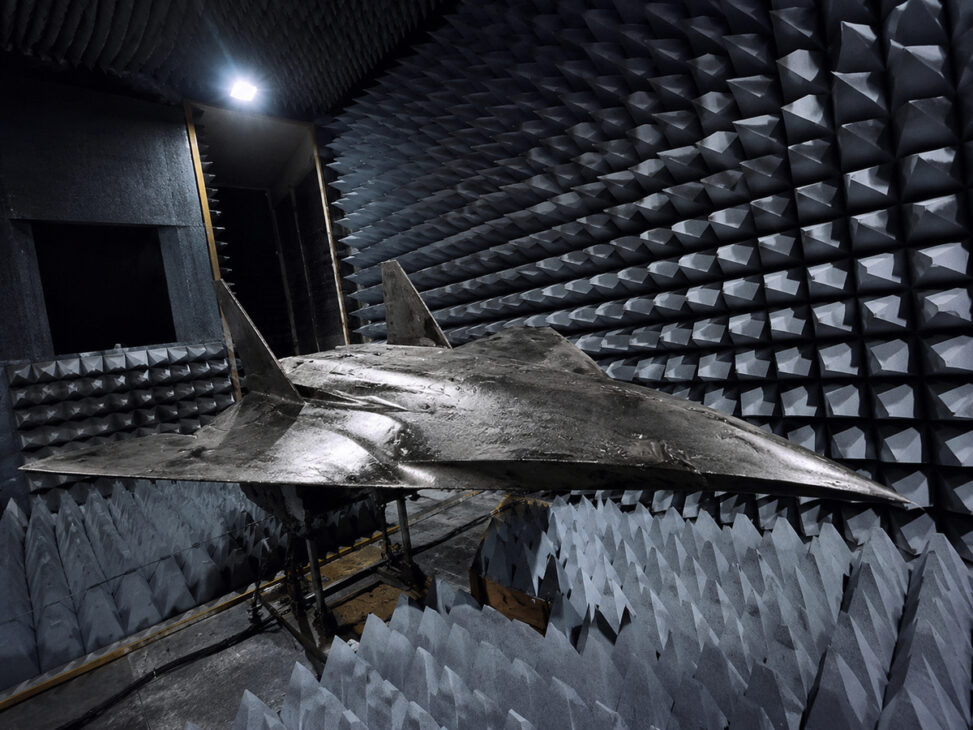
Material can reduce aircraft radar signature
Researchers developed the coating to absorb part of the electromagnetic radiation reaching a given surface.
The surface would thus reflect a smaller amount of waves towards the radar, making it harder to identify the object.
GTechPlasma’s estimates indicate that an F-16 with the material could present a signature similar to that of a bird.
The comparison, however, does not mean absolute invisibility. In practice, radars could detect the aircraft later or with greater difficulty.
The reduction of the signature would thus provide a strategic advantage during military missions.
Bruno Soares Gonçalves also states that few countries master comparable solutions and maintain strong international restrictions.
The researcher adds that the United States prohibits the export of the material used in F-35 fighters.
How Portuguese Graphene is Produced
Graphene technically corresponds to a layer of carbon atoms with only one atom thickness.
The team uses plasma technology and precursors such as ethyl alcohol and methane during production.
The main elements mentioned in the process include:
- ethyl alcohol;
- methane;
- other compounds defined according to the desired application.
The equipment allows, above all, to control the entire process at an atomic level.
The team can, consequently, alter the recipe and adjust the material properties for different purposes.
The company maintains patent protection of the device in the United States, Japan, and Europe.
The team presented samples produced with this technology on February 3, 2026, during the Técnico Innovation Summit.
The event also showcased ultra-light materials aimed at electromagnetic shielding.

Production Will Be Expanded in Vila Viçosa
GTechPlasma’s devices currently produce 40 milligrams of high-quality graphene per minute.
The company intends to expand this capacity through an industrial partnership.
Plasmaphene, located in Vila Viçosa and supported by Compete 2030, will take on the industrialization of the production machine.
The future structure is expected to gather several devices in operation.
These devices will be able to manufacture different materials simultaneously, while redundancy will reduce possible production interruptions.
Company has already supplied graphene to drone manufacturer
GTechPlasma has already delivered 260 grams of radar-absorbing material to a Portuguese drone manufacturer.
The product currently appears as a black, extremely lightweight powder.
The company aims to transform this compound into solutions closer to commercial use.
The anticipated possibilities include:
- paints for drones;
- coatings for aircraft;
- materials intended for electromagnetic shielding;
- solutions for hydrogen storage;
- materials for the separation of rare earths and uranium.
The initiative could strengthen Portuguese participation in the European development of advanced materials.
Operational application will, however, depend on the expansion of production and the transformation of the powder into ready-to-use coatings.


