






 Portuguese
  Spanish





Portugal Is Facing a Crisis of Worker Shortages in Essential Sectors Such as Construction, Information Technology, and Tourism. Companies and the Government Are Intensifying the Search for Foreigners, Especially Brazilians, Offering Increasingly Attractive Salaries.
Portugal is experiencing a growing shortage of skilled labor in strategic sectors such as construction, information technology (IT), and tourism.
The lack of professionals has led companies and public agencies to intensify the hiring of foreigners, especially Brazilians, as well as to expand programs for requalification and salary incentives.
According to the National Institute of Statistics (INE) and Portuguese business associations, the shortage of specialized workers is among the main obstacles to economic growth and the execution of infrastructure and innovation projects in the country.
-
Brazilian Startup Turns Coffee Grounds into Plant-Based Leather, Cutting Water Use by Over 50 Times for High-Impact Sustainable Fashion

-
Eco Invest Auction Aims to Unlock $10 Billion in Investments, Focusing on Green Fertilizers, Critical Minerals, Batteries, and AI for Clean Industry in Brazil

-
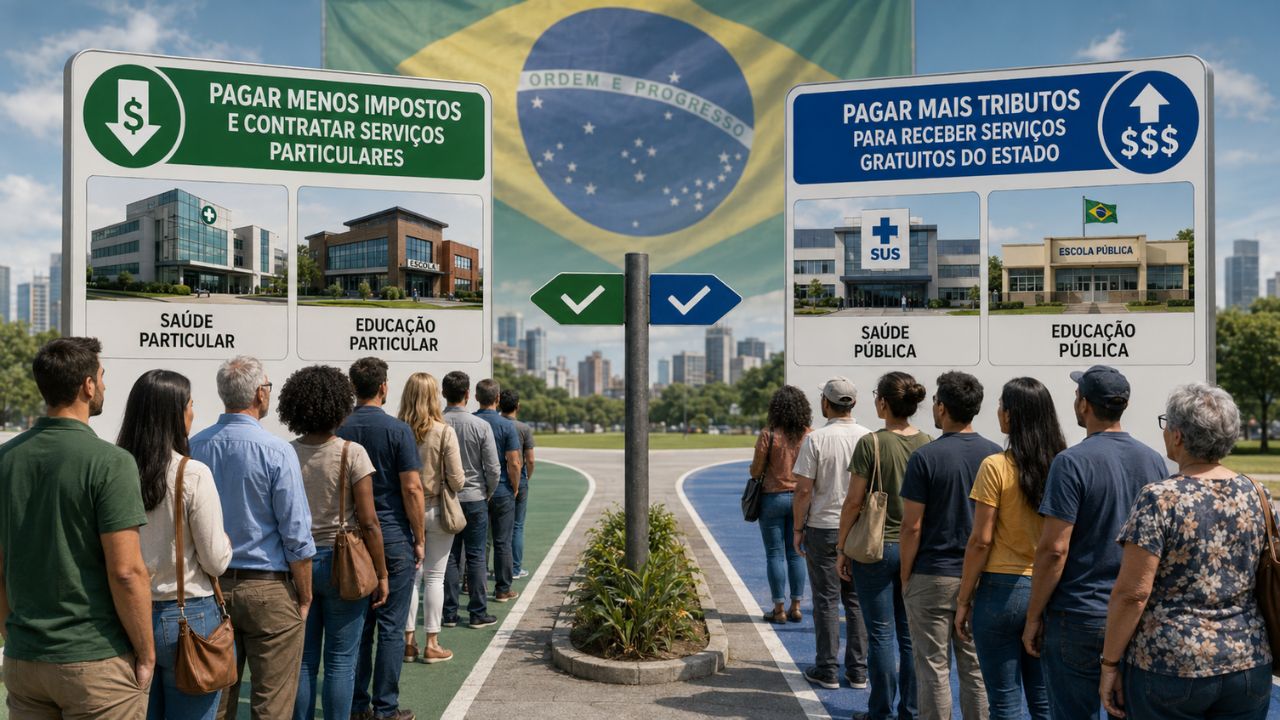
Half of Brazilians Prefer Lower Taxes with Private Health and Education, While 44% Opt for Higher Taxes for State-Provided Services, Datafolha Survey Reveals

-
Brazil’s Most Expensive Toll Rises to R$ 40.60 on Route from São Paulo to the Coast, Nearly Matching Bus Fare to Santos



Worker Shortages in Construction, IT, and Tourism
The construction sector is one of the most affected.
Business owners and unions report difficulty filling positions for masons, carpenters, electricians, and foremen.
According to the Portuguese Federation of Construction and Public Works (FEPICOP), the lack of professionals has increased costs and delayed timelines for public and private projects.
The situation is similar in information technology.
Companies in the sector state that there is a shortage of specialists in cloud computing, artificial intelligence (AI), business intelligence, and data science.
According to the Portuguese Association for the Development of Communications (APDC), the deficit of qualified professionals has hindered innovation and reduced the competitiveness of Portuguese companies against international competitors.
In tourism and hospitality, a sector responsible for a significant slice of GDP, the problem also persists.
Data from the Confederation of Tourism of Portugal (CTP) indicate that high employee turnover and the lack of new workers interested in the field hinder the full operation of hotels, bars, and restaurants, especially during peak periods.
Competitive Salaries Drive the Hiring of Foreigners
To attract labor, Portuguese companies have offered higher salaries and additional benefits.
In technology roles, annual pay can range between €50,000 and €80,000, according to a survey by the Michael Page Portugal consulting firm, potentially reaching higher values depending on the level of specialization and experience.
In operational areas such as construction and tourism, the increase has been more moderate, but still significant compared to previous years.
Experts point out that salary appreciation is a direct reflection of the shortage of workers and the need to keep projects and services running.
Qualification and Requalification Programs in Portugal
To reduce the deficit of professionals, the Portuguese government and private companies are investing in training and requalification programs.
One of the main programs is PRO_MOV, linked to the European initiative Reskilling 4 Employment (R4E), which offers short courses aimed at high-demand areas.
According to the Institute for Employment and Professional Training (IEFP), the project partners with large companies such as Sonae, Nestlé, and SAP, aiming to reintegrate adults into the labor market in technical, operational, and digital roles.
The training focuses on practical skills and rapid integration into the workplace.
Work Visas and Rules for Working in Portugal
For foreigners who already have a work contract in Portugal, the D1 visa is the main entry pathway.
The document allows legal residency and is tied to proof of employment.
The job search visa, which previously allowed a stay of up to 120 days extendable by another 60, has undergone recent changes.
According to information from the visa processing centers and the Foreigners and Borders Service (SEF), as of October 23, 2025, the old model is no longer issued in Brazil.
New guidelines have been released by consulates and vary depending on the applicant’s profile.
Professionals wishing to work in the country should consult official channels and provide proof of qualifications and professional experience, which facilitates the request’s analysis and increases the chances of approval.
Brazilians Are Making Inroads into the Portuguese Market
According to recruitment entities, Brazilians have been standing out among foreign professionals hired in Portugal.
The command of the Portuguese language and cultural familiarity facilitate integration into teams and reduce adaptation time.
Sectors such as construction, tourism, and technology continue to be the main destinations for workers coming from Brazil.
According to the Association of Brazilians in Portugal (ABP), interest in job vacancies in the country has increased after the pandemic, driven by the economic recovery and opportunities for professional growth.
Requalification Opportunities for Foreigners
In addition to direct hires, there is room for foreigners to participate in requalification programs.
The PRO_MOV and other initiatives from the IEFP offer training aimed at career transitions, especially in expanding fields such as IT, health, and specialized services.
Human resources sector experts assert that the trend is for a continuous increase in demand for foreign professionals until local training can meet the market’s needs.
Companies have also expanded their own training centers, integrating internal training with partnerships with universities and technological centers.
Factors to Consider Before Accepting a Job Offer
Career analysts recommend that professionals evaluate working conditions, cost of living, and salary growth prospects before accepting offers.
The cost of living in Lisbon and Porto has risen above the average salary, which can affect the budget of newcomers.
Conversely, medium-sized cities offer lower costs and satisfactory quality of life, although with fewer immediate opportunities.
In the technology sector, hybrid and remote models allow working for Portuguese companies without the need for immediate relocation, an option that has been explored by Brazilians.
Would You Have the Courage to Seek a Job in the European Country Given This Growing Demand for Qualified Professionals?





RACISTAS SEM NOÇÃO QUE FORMARAM SUAS RIQUEZAS COM O FURTO DE BENS DE OUTRAS NAÇÕES INCLUSIVE O BRASIL E AGORA QUEREM MAOS DE OBRA?
Coloca os otarios krakudos racistas pra trabalhar
Esquecem de divulgar que não dão contrato de trabalho. A pessoa que tem interesse em trabalhar em Portugal precisa saber que lá existe o tal do Recibo Verde ( equivalente ao MEI) no Brasil; ou seja, vc abre sua empresa individual. A cada 3 meses vc tembque declarar Imposto de Renda ( uma fatia bem grande). Graças a esses recibos, e maioritariamente aos brasileiros, é que a Segurança Social vem tendo grandes lucros. Não se iludam. Experiência de quem viveu por lá 25 anos.
Sou Moçambicano e gostaria de trabalhar na construção civil aí está o meu WhatsApp 850346888