





 Portuguese
  English
  Spanish
 2 min of reading
  0 comments


Sebrae Highlights Opportunities in Clean Energy for Carioca Entrepreneurs
Sebrae in Rio de Janeiro has just revealed a study that sheds light on the path for micro and small businesses in the field of renewable energy. Focusing on solar, wind, biogas, and hydrogen, the survey indicates a fertile ground for entrepreneurship in the clean energy sector, where the state shines as the second-largest producer of biogas in the country.
The Brightness of Solar Energy in Carioca Lands
The sun, an inexhaustible source of energy, plays a prominent role in Rio de Janeiro, which takes pride in being among the five Brazilian states with the highest number of photovoltaic systems. Solar energy becomes a keyword for both technological progress and the expansion of local businesses. More than 48,000 Carioca households already benefit from this clean alternative, and the market for electrical installation and maintenance remains strong, especially in the capital, which has around 13,600 specialized companies.
Biogas and the Energy That Emanates from Waste
With biogas plants in strategic locations like Seropédica and Macaé, Rio de Janeiro is moving towards maximizing its biogas potential, estimated at 800 million m³ per year. Sebrae Rio, by mapping this niche, highlights opportunities for businesses that transform waste into renewable wealth, encouraging sustainable development in the region.
-
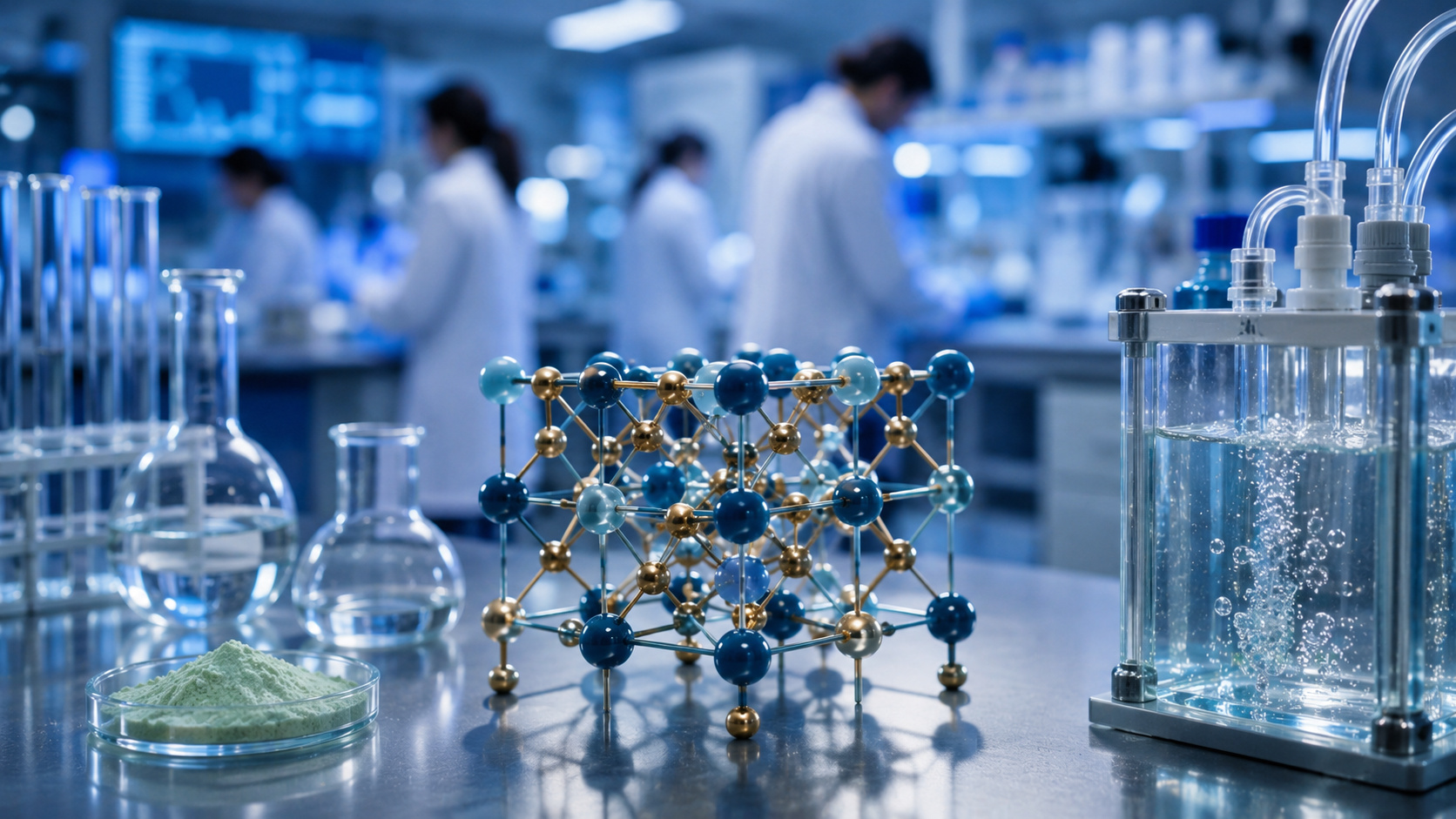
Scientists develop a low-cost alternative to generate green hydrogen on a large scale using an innovative chemical process; discovery could revolutionize energy infrastructure, heavy industry, and sustainable transportation systems around the world.

-
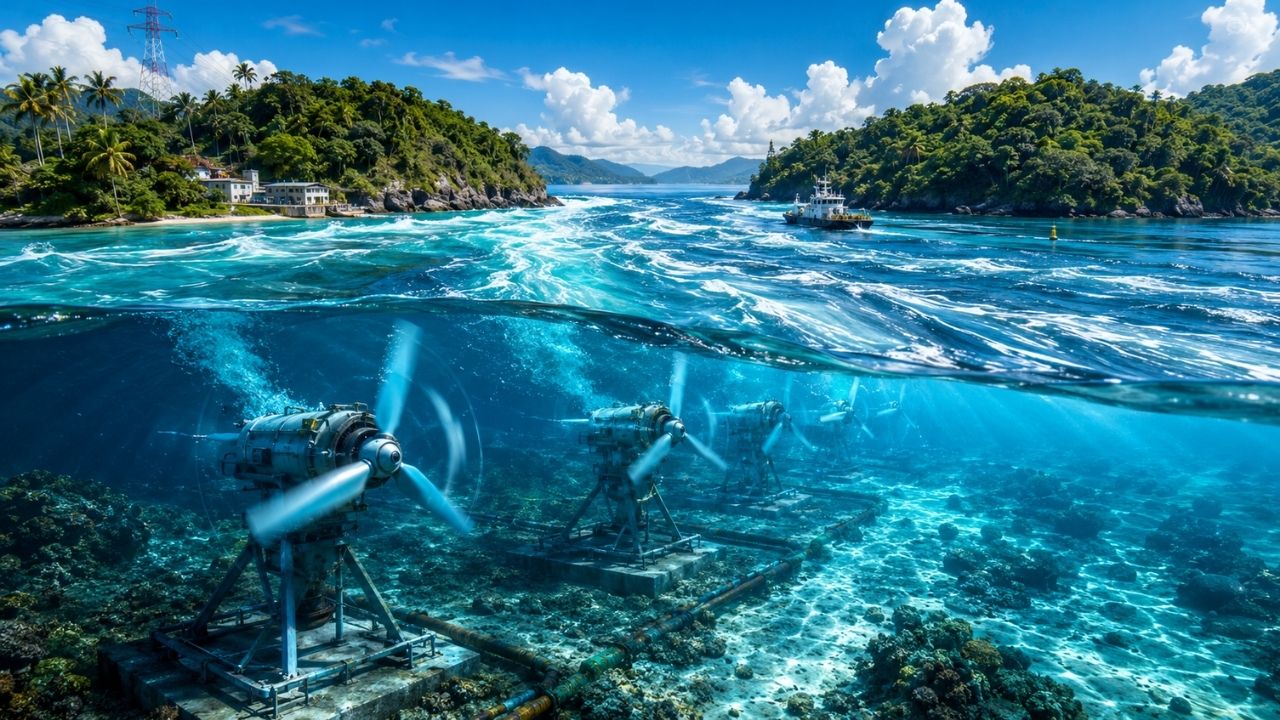
Forget common renewable energy: HydroWing prepares a 10 MW project in Indonesia to transform ocean currents into predictable electricity, using turbines installed on the seabed in a region where the funnel effect between islands increases tidal potential.

-
The world could operate on clean electricity by 2050, but a study indicates that this would require up to 20 TW of renewable energy, more than 9 million hectares for solar, and strong cooperation between countries.
-
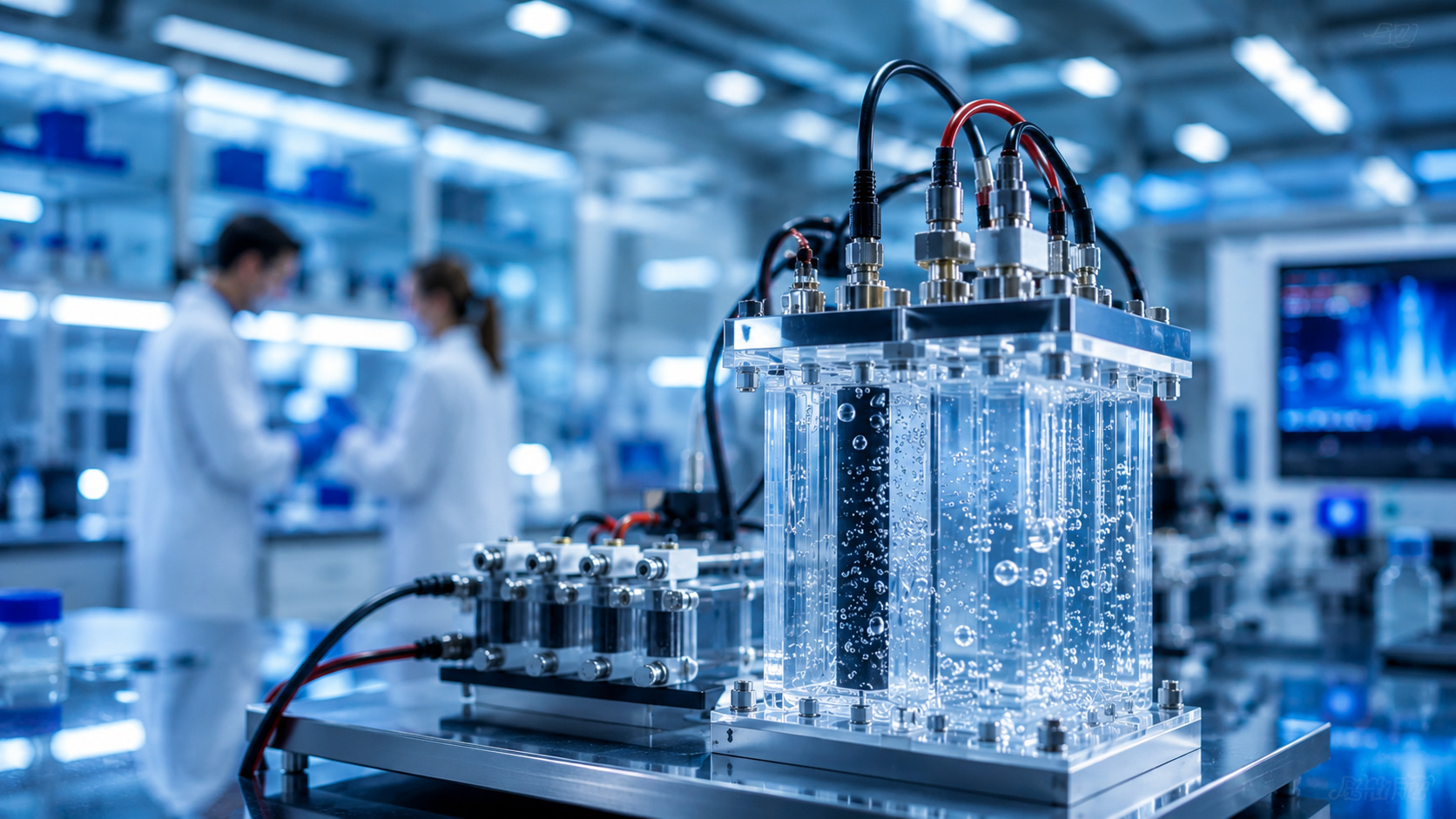
New catalyst developed by scientists in the USA enhances the performance of water electrolysis without using platinum, reducing operational costs and expanding the potential of green hydrogen as a strategic alternative for industries, heavy transportation, and clean energy generation.

The transition to a less fossil fuel-dependent economy is already a reality for many of these micro and small businesses. An example of this is Endelev Sustainability and Technology, which dove in headfirst after a Sebrae event, now focusing on photovoltaic projects and energy efficiency. The guidelines provided by Sebrae served as a guide for the company to identify valuable opportunities in the renewable energy sector.
The force of winds is also present in the state, with wind projects in the licensing phase and plants already in operation, strengthening the regional energy portfolio. And hydrogen, seen as the promise for replacing fossil sources, opens up a range of services in civil construction and environmental certifications for entrepreneurs attentive to new trends.
Wrapping up the panorama of clean energy, Rio de Janeiro has eight hydroelectric plants and is the nuclear hub of the country, hosting the Angra I and II plants. This places the state in a prominent position in the generation of non-polluting energy.
The Sebrae report is an invitation to micro and small business owners to engage in these energy production chains, contributing to economic growth and environmental sustainability in Rio de Janeiro and Brazil.
Source: Gisele Amaral de Souza.





Be the first to react!