Portuguese
  Spanish


Brazil will receive a new stage of production from the owner of Brastemp in Rio Claro, in the interior of São Paulo, after the closure of the Pilar factory in Argentina. Whirlpool confirmed an investment of R$ 300 million, 200 direct jobs, and a projection of up to 2,800 jobs in the local Brazilian chain.
Whirlpool S.A., owner of the brands Brastemp, Consul, and KitchenAid, confirmed in Brazil the opening of 200 direct jobs at its Rio Claro unit, in the interior of São Paulo, after closing the activities of the former Pilar factory in Argentina. The announcement was made in May 2026, along with the confirmation of an investment of R$ 300 million.
According to the portal ND Mais, the new operational stage is scheduled to begin in September 2026 and is part of a productive reorganization of the company in Latin America. The Brazilian unit will start to concentrate the production of top and front load washers, in addition to integrating technology, local suppliers, automation, and product development.
Brazil enters the center of Whirlpool’s industrial reorganization

The decision of Whirlpool places Brazil in a more strategic position within the company’s regional production. With the closure of the Argentine factory in Pilar, the Rio Claro operation takes on a larger part of the manufacturing, in a move that combines expansion, operational efficiency, and internal reorganization.
-
Brazilian Startup Turns Coffee Grounds into Plant-Based Leather, Cutting Water Use by Over 50 Times for High-Impact Sustainable Fashion

-
Eco Invest Auction Aims to Unlock $10 Billion in Investments, Focusing on Green Fertilizers, Critical Minerals, Batteries, and AI for Clean Industry in Brazil

-
Half of Brazilians Prefer Lower Taxes with Private Health and Education, While 44% Opt for Higher Taxes for State-Provided Services, Datafolha Survey Reveals

-
Brazil’s Most Expensive Toll Rises to R$ 40.60 on Route from São Paulo to the Coast, Nearly Matching Bus Fare to Santos




According to the company, the investment of R$ 300 million will be directed to the São Paulo unit and should strengthen both the manufacturing operation and the integration with national suppliers. The change does not just represent a transfer of production: it reinforces Brazil’s role as an industrial base for the company in the region.
Rio Claro is expected to open 200 direct jobs
Whirlpool confirmed the creation of 200 direct jobs in Rio Claro. The positions are expected to primarily involve industrial operations, but also areas related to product development and production processes, as the new phase of the factory advances.
The company has not yet announced when the selection process for hiring new employees will begin. Even so, the projection is already stirring expectations in the São Paulo city, especially because the unit will have an expanded role in the production of home appliances. In a region with an industrial tradition, 200 direct jobs can have effects beyond the factory walls.
Local chain could reach 2,800 direct and indirect jobs
In addition to direct hires, the company projects a greater impact on the production chain. The estimate presented by Whirlpool is up to 2,800 direct and indirect jobs, considering suppliers, associated services, and activities connected to the Rio Claro operation.
This calculation is linked to the decision to keep more than 50% of the parts produced by suppliers located in Brazil. When the national industry enters the supply chain, the economic effect is no longer restricted to the main factory and spreads to smaller companies, logistics, technology, and industrial services.
Closure in Argentina paved the way for a new stage in São Paulo

The reorganization occurs a few months after Whirlpool confirmed the closure of the Pilar factory in Argentina. At the time, the company stated that the decision aimed to improve operational efficiency and optimize resources within its production structure.
With the transfer of part of the production to Brazil, the Rio Claro unit will now focus on top-load washers and front-load washers, a model known internationally as front-loading. The change shows how industrial decisions can shift jobs, investments, and technology between neighboring countries within the same region.
São Paulo unit targets Brazilian and Latin American market
Initially, the production in Rio Claro is expected to serve the Brazilian market. However, Whirlpool has stated that the intention is to gradually expand supply to other Latin American countries, including Argentina itself, which is currently supplied by products manufactured in other global units.
This aspect gives the project a regional dimension. The Brazilian factory will not only be a unit focused on domestic consumption but part of a larger supply network. If the plan progresses, Rio Claro could gain significance as a production hub for home appliances destined for different Latin American markets.
Development center brings engineering and factory closer
One of the factors highlighted by the company is the presence of a Washing Machine Development Center in Rio Claro. The proximity between research, engineering, and production line is seen as an advantage to accelerate adjustments, test solutions, and integrate innovation into the manufacturing process.
This structure allows technical decisions to be connected more quickly to manufacturing. Instead of keeping development and production distant, the operation concentrates stages physically close. In practice, Brazil starts to gather factory, engineering, and suppliers in the same industrial ecosystem.
Artificial intelligence and robotics enter the project
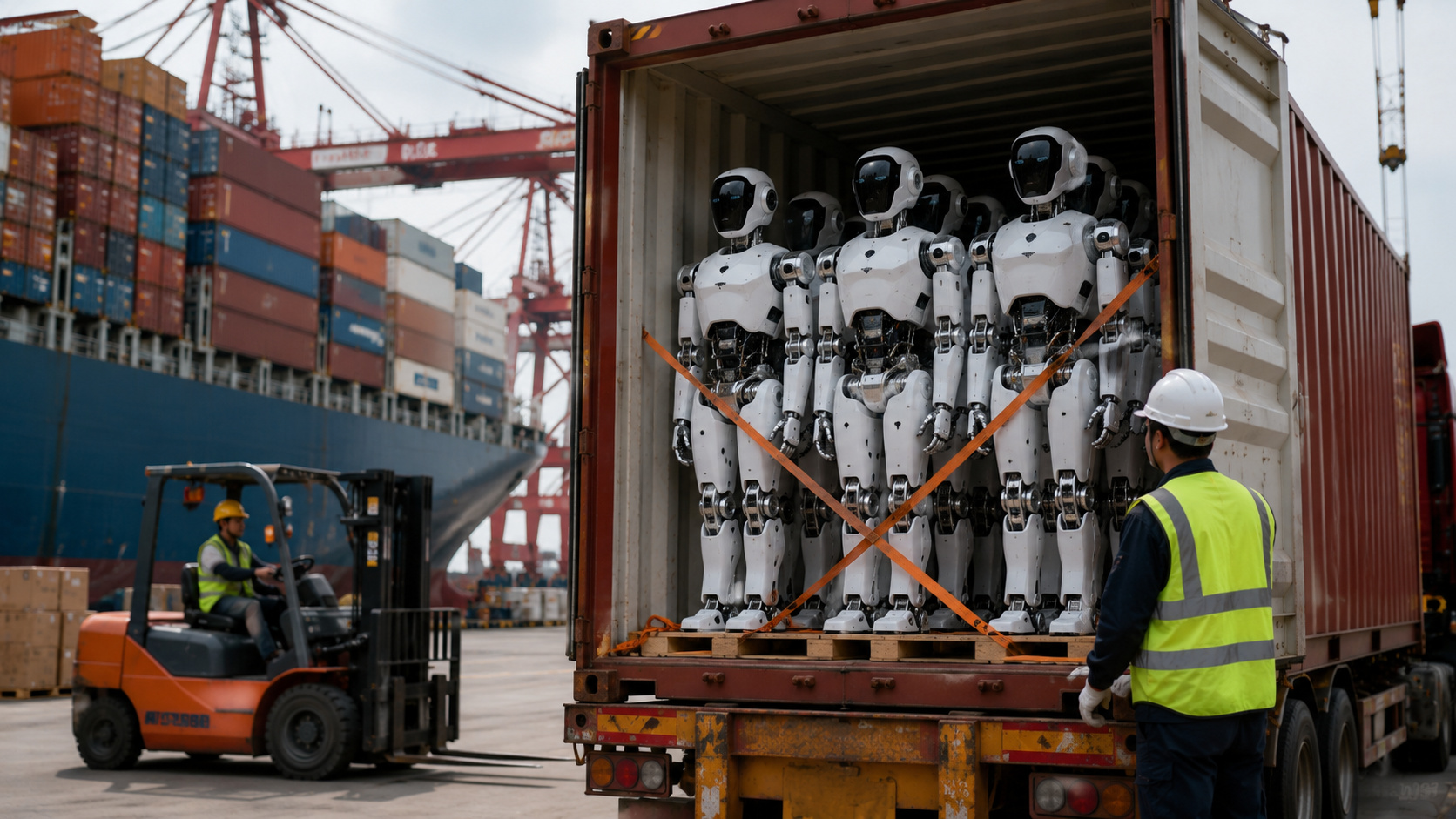
Whirlpool also reported that the unit will be transformed into a highly automated operation, using artificial intelligence and robotics in industrial processes. The modernization is expected to reach lines related to washing machines, stoves, ovens, and cooktops.
This advancement indicates that the expansion is not limited to increasing production capacity. The goal also involves efficiency, process control, and technological gain. The presence of robotics and artificial intelligence reinforces an industry trend: producing more with automated systems, data, and digital integration.
Brazilian suppliers gain decisive role
The decision to use more than 50% of parts supplied by partners in Brazil is one of the most relevant points of the announcement. This percentage increases the importance of the national chain and reduces dependence on external components in part of the operation.
For local suppliers, the new stage could represent contracts, expansion, and the need to adapt to more demanding industrial standards. When a large manufacturer increases purchases in the country, small and medium-sized companies in the chain can gain scale, but they also need to respond with quality, deadlines, and competitiveness.
Movement reignites debate about industry in Latin America
The transfer of production from Argentina to Brazil also rekindles discussions about industrial competitiveness in Latin America. Global companies reorganize their operations considering costs, productivity, logistics, suppliers, consumer market, and technological capacity.
This type of movement can benefit one region and cause losses in another, especially when it involves factory closures and production transfer. Therefore, the case of the owner of Brastemp goes beyond the 200 jobs: it shows how the competition for industrial investments remains active among neighboring countries.
The project also symbolizes a regional reorganization after the closure of the Pilar factory in Argentina. The question now is whether Brazil will be able to turn this expansion into a lasting gain for the industry, suppliers, and local workers. Do you think the transfer of production to Rio Claro strengthens the Brazilian industry or merely reflects a temporary reorganization of global companies? Leave your opinion in the comments.