






 Portuguese
  Spanish


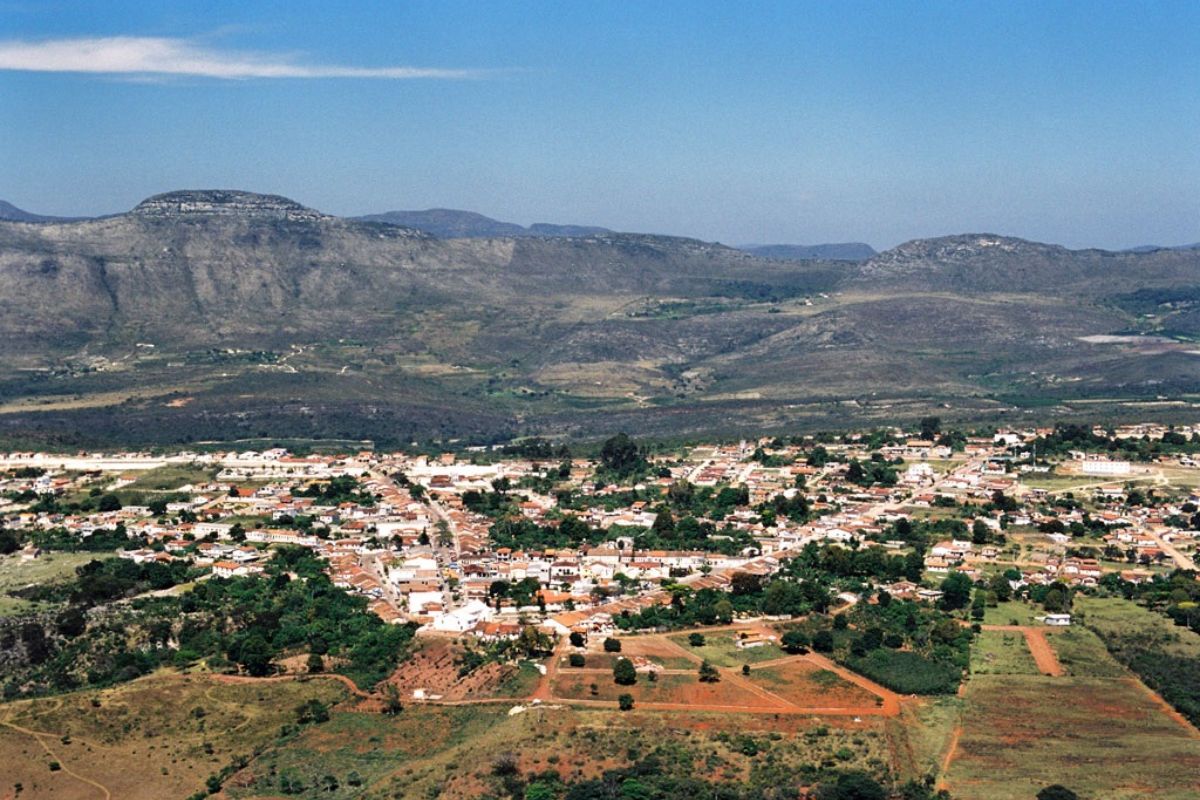

The City In The Mountains Of Chapada Diamantina Identified In Piatã Shows How High Altitude Unusual Climate And Mountainous Relief Create A Cold Scenario In The Northeast With Records Near 1.2 Degree Trails Lookouts Cave Paintings Special Coffees And A Routine Distant From The Regional Stereotype Of Heat Better Known Nationally
The city in the mountains of Chapada Diamantina that contrasts most with the traditional image of the Northeast is Piatã, a municipality in Bahia with about 20,000 inhabitants and an altitude of 1,280 meters. This combination of high relief and mountainous position alters the local climate, allowing temperatures close to 1.2 degrees and transforming the city into a thermal exception within the region.
Located in Bahia, Piatã gathers mountains, mist, open views, and a landscape that often seems suspended above the clouds. The impact comes precisely from the contrast: while much of the imagery about the Northeast is associated with intense heat, there the visitor finds cold, milder air, and a natural scenario very different from the more well-known standard.
Where Piatã Breaks The Climatic Pattern Of The Northeast
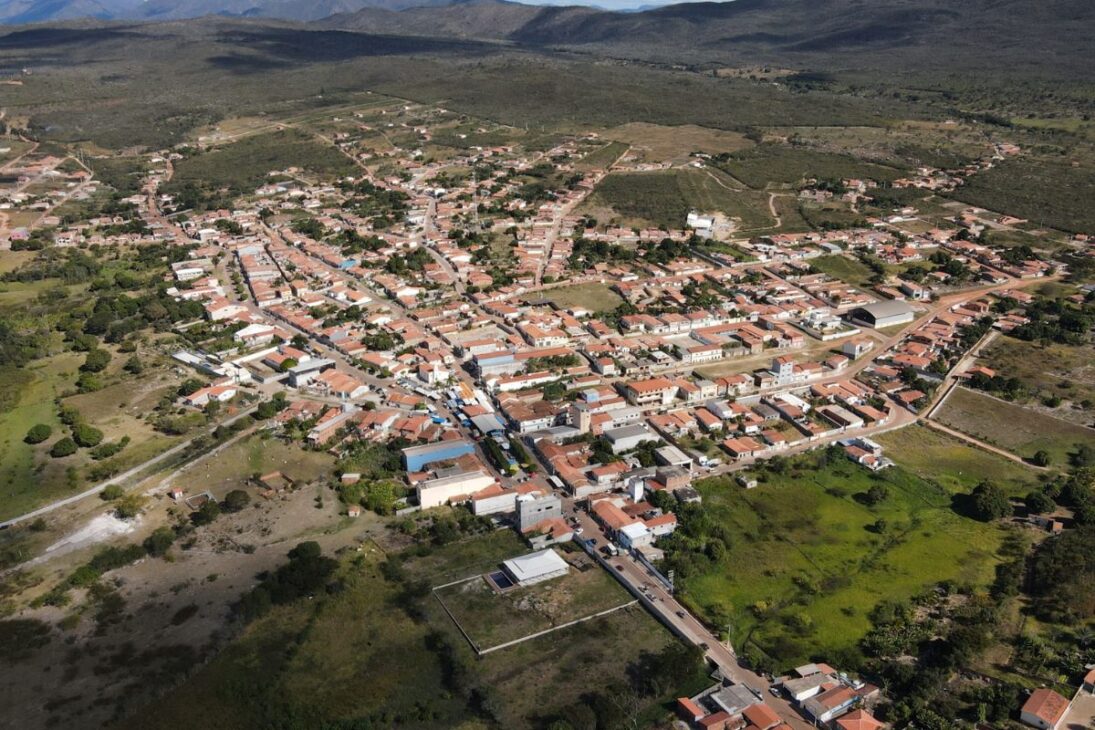
Piatã is located in Chapada Diamantina and occupies a unique geographical position within Bahia.
-
Creative Uses for Toilet Paper Rolls That Will Change Your Perspective

-
Crab Trapped in Plastic Bottle for 62 Days Near Okinawa Highlights Little-Known Impact of Marine Pollution on Small Animals
-
Esperanza’s Bamboo Barrier in Oaxaca Redirects River and Reduces Erosion by 85% in Five Years

-
Family Builds Homemade Wind Turbine to Power Off-Grid Home, Video Reaches 555,000 Views on Ngô Thị Huyền’s Channel


The city is noted as the highest in the state, and this altitude of 1,280 meters is not just a piece of location data, but a central element to understand why the climate deviates so much from the common expectation regarding the Northeast.
In practice, the city in the mountains of Chapada Diamantina has conditions that favor lower temperatures than those observed in most of the region.
The lowest temperature ever recorded in the municipality was 1.2 degrees in an August month, a number that helps explain why Piatã has become a reference when the topic is cold in the Northeast.
How Altitude And Climate Transform The Local Landscape
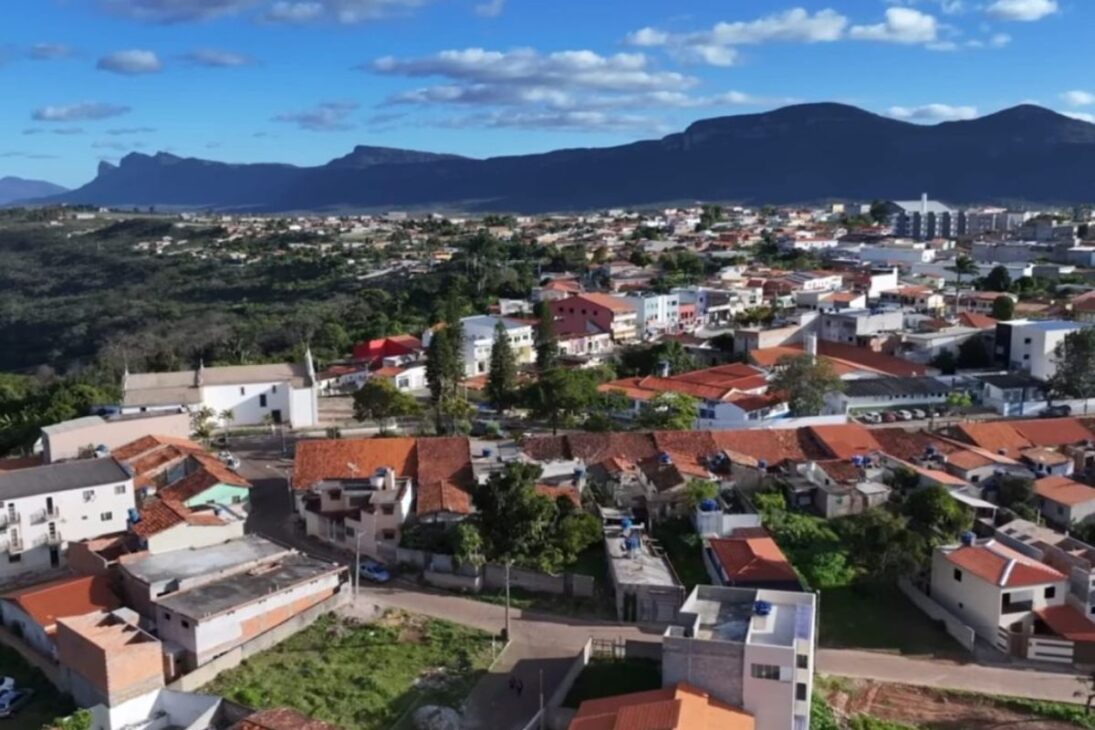
The relationship between altitude and climate is directly apparent in the routine of Piatã.
The higher the terrain, the more noticeable the drop in temperature tends to be, which helps explain the formation of a mountain environment, with cold mornings, a lower thermal sensation, and a visual often marked by low clouds over the relief.
This scenario completely alters the visual reading of the municipality.
The city in the mountains of Chapada Diamantina does not attract attention only for the cold, but for the ensemble formed by slopes, natural lookouts, and an atmosphere that breaks the stereotype that the Northeast is always synonymous with constant heat.
In Piatã, the climate functions as part of the identity of the landscape.
What Makes Piatã Attract Visitors Beyond The Low Temperature


The cold is one of the standout factors, but it does not alone explain the interest that Piatã awakens.
The rugged terrain has created an environment suitable for trails, hiking, and observation of natural lookouts, which transforms the city into an alternative for those seeking nature, altitude, and more adventurous routes within Chapada Diamantina.
During the winter, according to guide Ricardo Xavier Pina, visitors can find temperatures of up to 3 degrees while enjoying coffee, cachaça or artisanal liqueur and dishes prepared on a wood stove.
The experience goes beyond the thermometer: during the day, the peaks of the mountains and the waterfalls come into play; at night, the itinerary turns to wine and typical regional cuisine.
Cave Paintings, Special Coffees, And Artisanal Production Enrich The Value Of The City
Piatã also gathers historical and productive elements that expand its tourist weight.
The region houses archaeological sites with cave paintings that can be up to eight thousand years old, created with mineral pigments mixed with water.
This detail shows that the municipality stands out not only for its altitude or climate, but for a heritage that adds cultural depth to the visit.
At the same time, the regional production reinforces another layer of the local experience.
The city in the mountains of Chapada Diamantina also opens up opportunities to visit special coffee farms, in addition to tasting cheeses and artisanal sweets.
This meeting of nature, cold, gastronomy, and historical memory makes Piatã a unique destination within the Northeast, without relying on exaggeration to attract attention.
Why Piatã Gained Fame As An Exception Within The Northeast
What makes Piatã different is the sum of very objective factors: high altitude, low temperatures for the regional standard, mountainous relief, and a range of experiences related to nature and local production.
This is not a manufactured image, but a municipality that truly exhibits characteristics not often associated with the Northeast most known to the general public.
Therefore, the city in the mountains of Chapada Diamantina has become a curious case within Brazilian tourism.
Piatã shows that Bahia can also be viewed from the perspective of cold, clouds, and mountains, and not just from the coast and intense heat.
This contrast is what makes the municipality awaken such surprise in those who have yet to know the climatic diversity of the region.
In the end, Piatã challenges a simplified view of the Northeast and proves that Chapada Diamantina harbors landscapes, temperatures, and experiences very different from the dominant imagery.
It is precisely this break of expectation that makes the city so remarkable for those seeking a destination outside the obvious.
And you, would you brave the cold of Piatã to see this mountain landscape up close, or do you still find it hard to imagine such a scenario in the Northeast?


