






 Portuguese
  Spanish
  5 min of reading
  0 comments


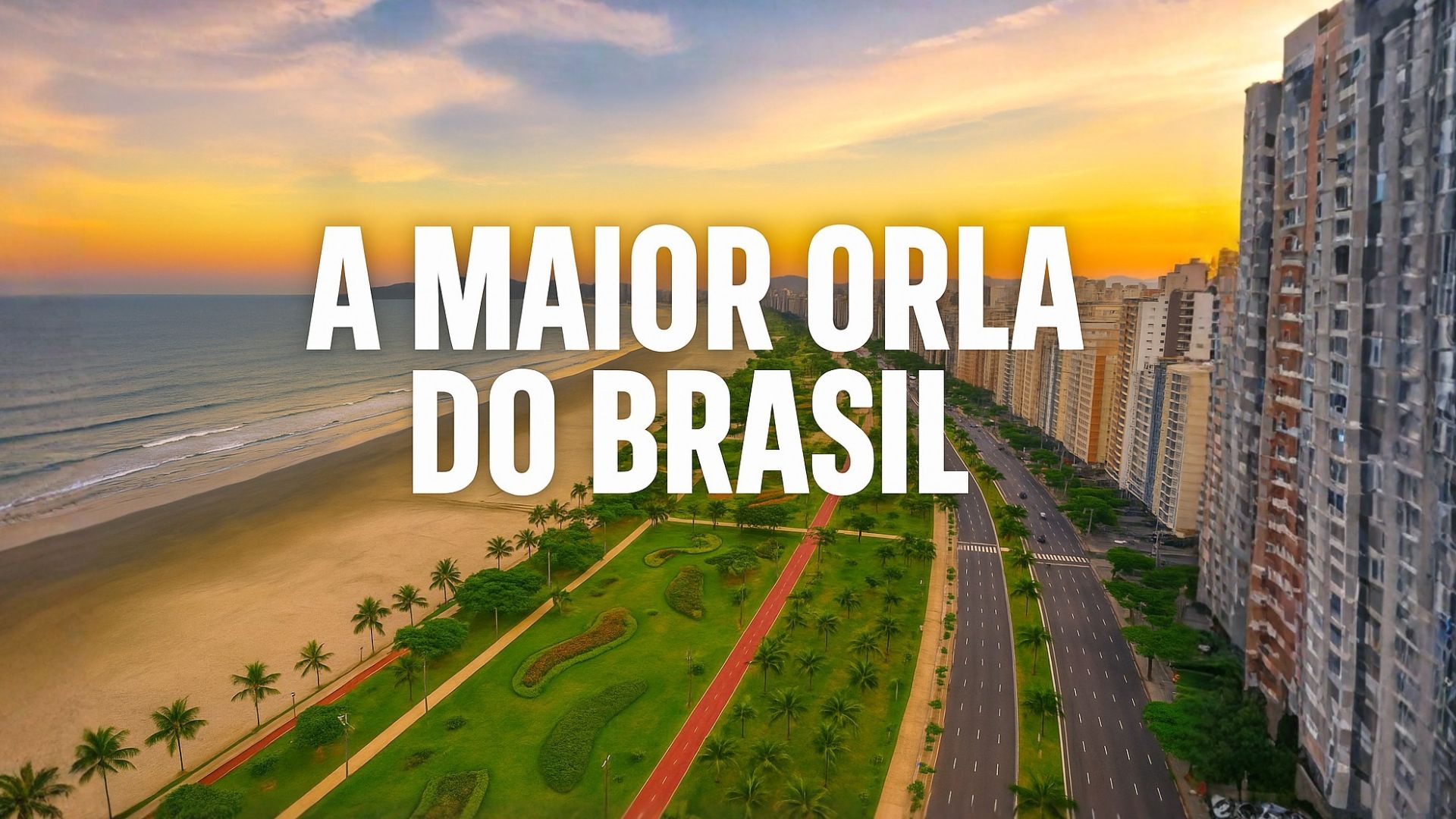
The Santos Waterfront Combines Extensive Beaches, World-Renowned Gardens, and a Planned Urban Structure, Bringing Leisure, Sports, and Nature Together in a Single Coastal Scenario. It Is a Vibrant Space That Marks the Daily Life of the City.
The Santos waterfront features seven kilometers of beach between José Menino and Ponta da Praia, lined with gardens recognized by Guinness as the largest beachfront garden in the world.
In this continuous stretch, bike paths, boardwalks, kiosks, and leisure areas create an urban space that has become a postcard of the Baixada Santista and a reference for coastal planning in the country.
Planned Waterfront for Daily Use
Along the Santos coastline, flowerbeds and palm trees create a scene that connects neighborhoods and encourages walking and biking mobility.
-
About 700 residents live inside the crater of an active volcano in Cape Verde, with houses and vineyards spread over the already solidified lava. With each eruption that buries the village, the population returns and rebuilds everything in the same place, in one of the most extreme settlements on the planet.

-
Workers removed old panels from a Scottish lighthouse and found a hidden bottle with a message from 1892, names of engineers, lighthouse keepers, and details of a lens used to guide ships.

-
Your child may be gifted and you don’t even suspect it: experts warn that even low grades and disinterest in school may hide high abilities behind boredom.
-
An old telephone booth was removed during construction at an English station and ended up revealing tunnels under platform 4, with hidden rooms connected to the railway logistics of another era.


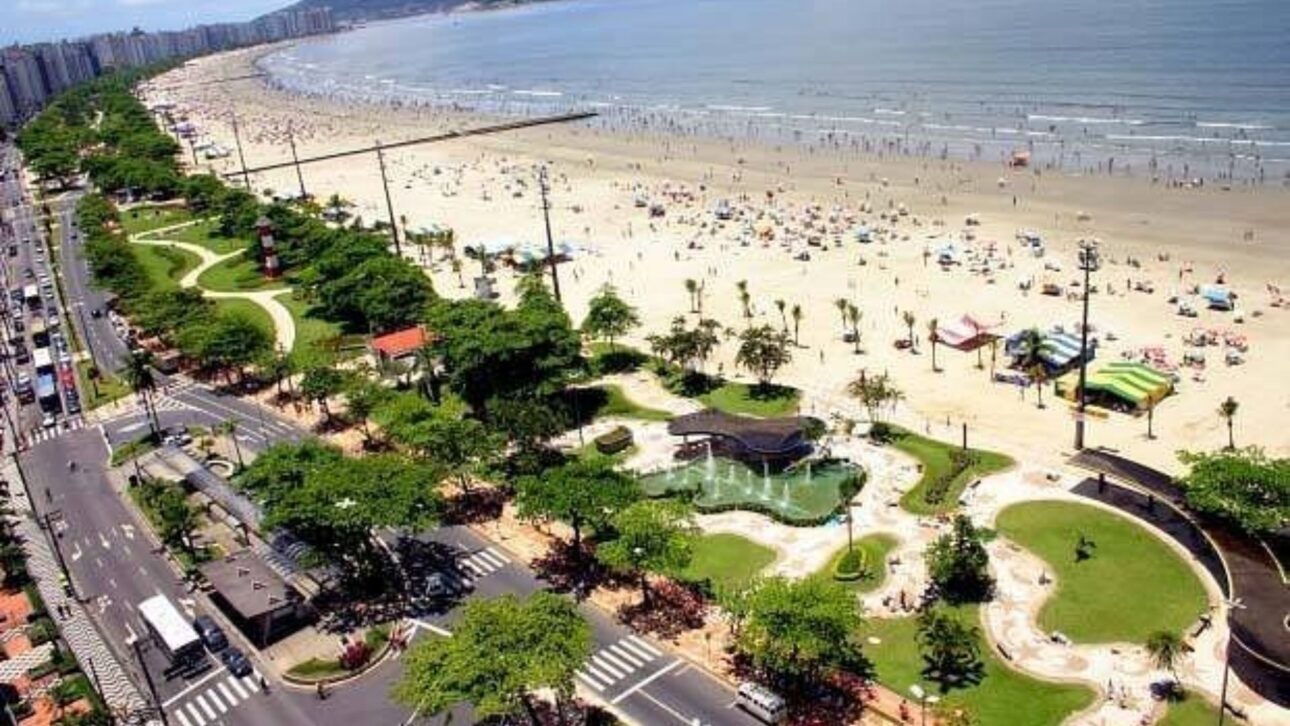
The design prioritizes wide sidewalks, signage, and urban furniture, with rest areas and shade.
At any time of day, traffic is intense: morning walks, families in the afternoon, and various sports in the evening.
At night, the activity continues, with groups gathering to chat, practice skateboarding, or simply enjoy the ocean breeze.
Record-Breaking Gardens by the Sea
The beach gardens are the most emblematic element.
Registered by Guinness in the early 2000s, they total 5,335 meters in length and vary from 45 to 50 meters in width, totaling about 218.8 thousand square meters of green space.
They frame the entire waterfront and feature designs with flowers and meticulously trimmed shrubs.
The landscaping kept the prominence of the “green carpet” without blocking the beach view, reinforcing the integration between nature and urban space.
Neighborhoods and Meeting Points
The waterfront path goes through historical and tourist areas, such as Gonzaga, Boqueirão, and Embaré, plus landmarks easily recognized by locals.
Canal 3 and Canal 5 are traditional meeting references.
At the end, the lookout at Ponta da Praia offers a view of the estuary entrance and the movement of ships, making it a must-stop for those walking along the boardwalk.
On clear days, the combination of sea, garden, and city creates a constant scenario of photography and outdoor activities.
Sports and Leisure Infrastructure
The beachfront focuses on bike lanes, courts, outdoor gyms, and playgrounds spread across the neighborhoods.
The presence of free and easily accessible public equipment ensures widespread use by different audience profiles, from long-time residents to occasional visitors.
During seasonal events, such as cultural actions and educational activities, the space adapts while maintaining its vocation for daily use.
Conservation That Sustains the Landscape
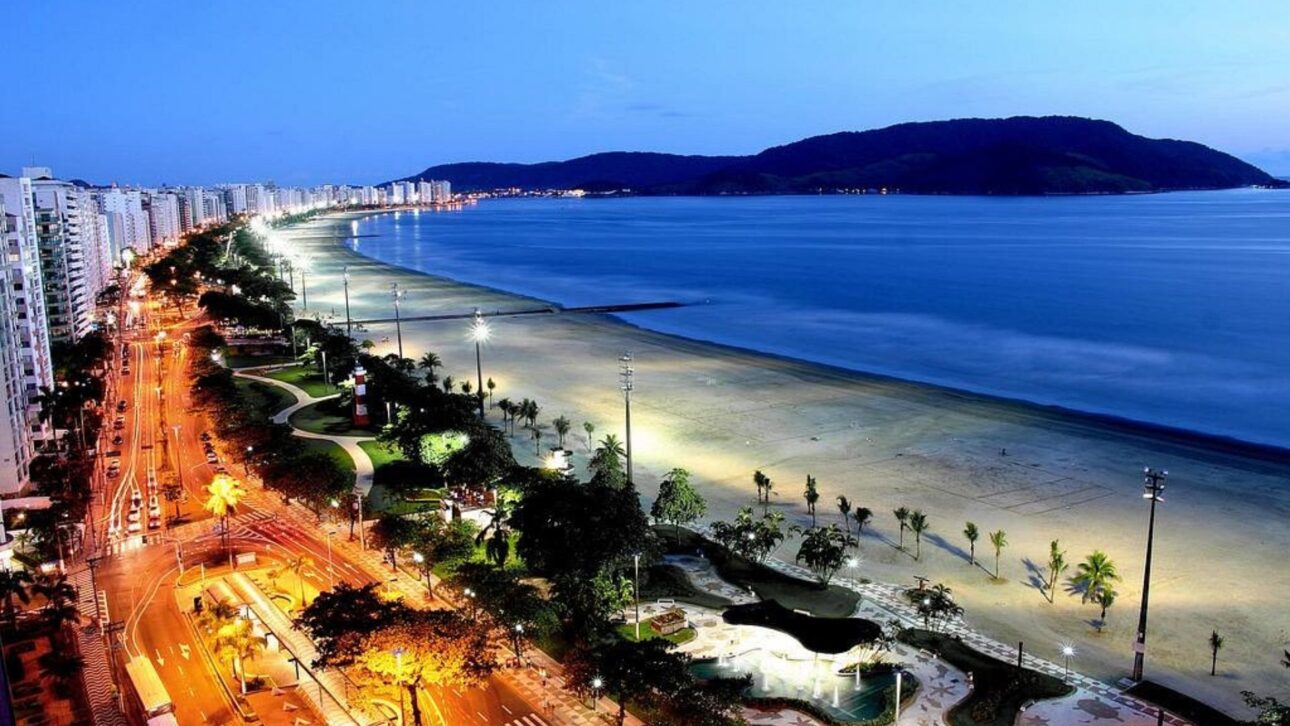
The maintenance of the gardens and the boardwalk involves pruning, replanting ornamental species, and constant care with irrigation, cleaning, and lighting.
The municipal administration coordinates the responsible teams, allowing for the conservation of the floral designs and greenery even during peak visitation periods.
Public lighting enhances the sense of security and maintains user flow after sunset.
In parallel, targeted interventions on pavement and furniture ensure accessibility and the continuity of the promenade.
Connections with the City and Bikemobility
In addition to the bike lane that runs alongside the sand, there are links with internal sections of the bike network, allowing access from residential neighborhoods to the waterfront.
This system reduces short-distance motorized travel, encourages exercise, and enhances the connection between the beach and commercial areas.
The ebb and flow of bicycles, skates, and scooters coexist with pedestrians on the boardwalk, whose design prioritizes flow separation to avoid conflicts and facilitate circulation.
Tourism, Identity, and Local Economy
The waterfront concentrates a significant portion of the tourist flow on the São Paulo coast.
Hotels, bars, and street commerce benefit from their proximity to the beach, while the gardens serve as a permanent showcase for the city.
On weekends and holidays, the increase in the number of visitors reinforces the role of the waterfront as the main urban showcase, responsible for establishing the image of Santos as a leisure destination with infrastructure.


Beyond the immediate attractiveness, the whole helps to consolidate local identity, associating quality of life with a well-kept public space.
Baixada Santista and Regional Comparison
In Baixada Santista, the Santos waterfront stands out for its continuous urbanization and the combination of gardens, bike paths, and public facilities along the entire coastline.
Neighboring cities, such as Guarujá, Praia Grande, and São Vicente, have extensive and well-frequented beaches, but the landscaping configuration and maintenance standards of Santos have created a model that inspires similar projects in the region.
This arrangement integrates the beach into urban life with few interruptions, a characteristic valued by residents and tourists.
Path That Organizes Social Life
From the beginning of the day to nightfall, the boardwalk serves as a stage for meetings and stories.
Couples, groups of friends, beach sports practitioners, and families share the space following a ritual that has been repeated for decades.
In the busiest late afternoons, the sound of conversations blends with the waves while the sun colors the garden and the facades of the buildings.
On weekdays, the flow is more measured, with residents using the waterfront as a route for work, study, or services.
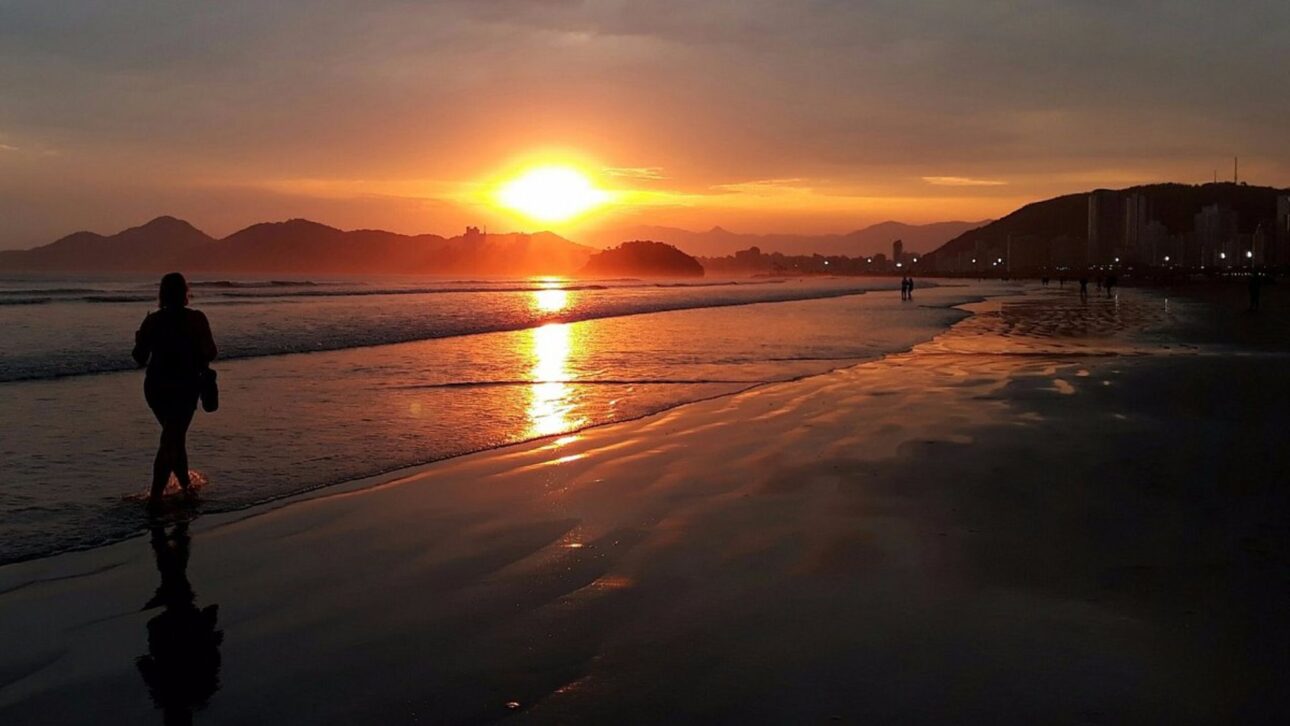
The Experience of an Integrated Waterfront
The combination of beach, garden, bike path, and boardwalk reflects a public space occupation policy oriented toward coexistence.
The integration facilitates different activities to coexist at a low cost for the user, which increases access and reinforces the social function of the waterfront.
At the same time, care for vegetation and maintenance of infrastructure keeps the landscape as an urban symbol while maintaining daily functionality.
What Explains the Prestige
The sum of factors helps explain why the Santos waterfront is often cited as one of the largest and best-structured in Brazil.
Continuity of urban design, international recognition of the gardens, provision of free leisure facilities, and efficient connections between neighborhoods are central elements of this reputation.
Although other cities have larger beaches, the Santos model has preserved its own identity, based on the combination of landscape and easily accessible public services.
In this context, the waterfront continues to be a meeting point for the local population and a tourist showcase of the São Paulo coast.
Have you walked this entire route in a single day, or do you have a favorite stretch to walk, bike, and observe the activity?





Be the first to react!