Portuguese
  Spanish


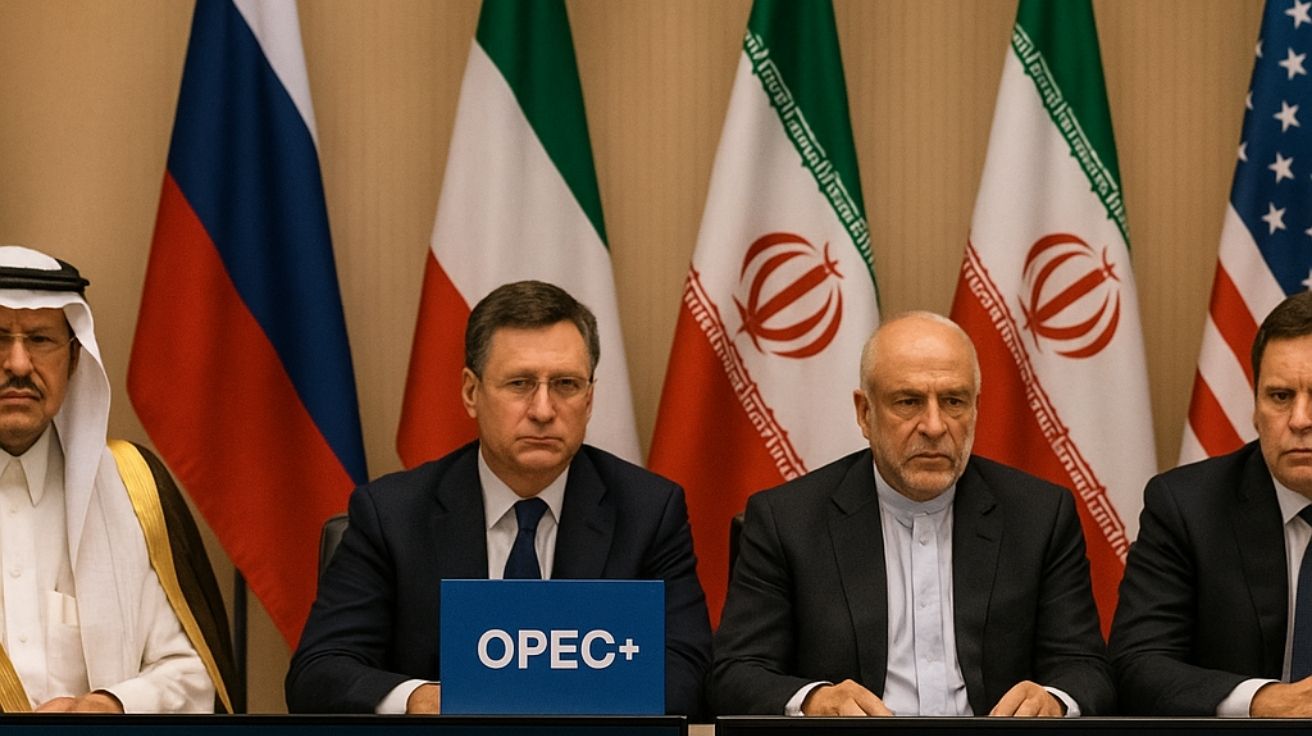

Analysts Assess That Gradual Recovery of Production in Eight OPEC+ Countries Should Impact the Oil and Gas Market, Even in the Face of Still Resilient Global Demand
The price of oil could face another decline in the coming weeks, according to forecasts published by Reuters and Yahoo Finance, based on analyses from Goldman Sachs and other energy sector specialists. Following the OPEC+ decision to increase production in August and signal another rise in September, the market begins to react to the prospect of greater supply, even in light of still resilient global demand.
ARTICLE CONTINUES BELOWSee also
Oil Prices Rise as U.S.-Iran Tensions Heighten Concerns Over Global Supply and Energy Market Stability

Explosion at QatarEnergy Plant in Ras Laffan Kills 13 and Injures 66; Investigation Rules Out Sabotage

Brazil’s Búzios Oil Field Sets Record with 1.2 Million Barrels Per Day, Strengthening Global Leadership in Deepwater Production
Petrobras and Equinor Reach Agreement for 50% Stake in Itaimbezinho Block in Brazil’s Pre-Salt Campos Basin


The decision marks the fourth consecutive increase in production in 2025, gradually ending the 2.2 million barrels/day of voluntary cuts made earlier to contain excess supply in the market. The goal now is to normalize idle capacity, regain market shares globally, and impose discipline on oil production from the U.S., especially in the shale sector.
Goldman Sachs projects that from March to September this year, the combined production of eight OPEC+ members should rise by 1.67 million barrels per day, reaching a level of 33.2 million barrels daily. Saudi Arabia leads this movement, accounting for more than 60% of the increase.
Global Scenario Signals Market Competition and Possible Price Decline
The reopening of production occurs at a time of moderate economic recovery and resilient energy demand, especially from China, the world’s largest oil importer. Still, sector analysts warn that the increase in supply could pressure the price of oil, which currently hovers around US$ 68 per barrel (WTI) and US$ 69.50 (Brent).
The bank BNP Paribas revised its forecast and reduced the Brent price by US$ 5 until the end of 2025, now estimating US$ 55 per barrel, while Goldman maintains its projection of US$ 59 in the fourth quarter of this year and US$ 56 for 2026. Despite the current stability, analysts see a risk of decline if there is another round of supply release by OPEC+ members.
During the peak of tensions between Israel and Iran, prices temporarily rose above US$ 80 per barrel, but the subsequent truce announced by U.S. officials cooled geopolitical risk, removing the so-called “war premium” from future contract values.
Demand Remains Strong, But Volatility Worries Investors
Even with the increase in production, global demand for oil and gas remains above expectations, according to the American bank. The institution projects growth of 600,000 barrels per day in 2025 and 1 million per day in 2026, driven by a more robust global economy, increased consumption in Asia, and potential dollar depreciation.
However, there are factors keeping the market volatile. The possible release of an additional 1.65 million barrels/day of cuts next year, combined with a 30% recession chance in the U.S. as estimated by economists from Goldman Sachs, pose significant risks for the price of oil in 2026.
Furthermore, the energy industry should closely monitor the behavior of strategic reserves and the advancement of production in countries outside OPEC, such as the United States and Canada. If alternative production grows more than expected, prices could face additional pressure in the second half of the year.
Production Increase Could Influence Fuel Prices in Various Countries
The potential impact on fuel prices is a direct concern for governments and consumers. With the increase in production and a slight stabilization of demand, the expectation is that prices at the pumps may ease somewhat, especially in countries with pricing policies tied to the international market.
However, logistical costs, currency fluctuations, and local tax composition remain factors that prevent immediate decreases in prices for end consumers. Brazil, for instance, continues to monitor global movements but keeps an eye on its energy balance and Petrobras’s role in setting internal adjustments.
According to analysts consulted by Yahoo Finance and Reuters, the balance between supply and demand will remain fragile in the upcoming quarters, with moments of high volatility, especially in the face of geopolitical shocks or abrupt revisions in OPEC+ production policy.