Portuguese
  Spanish


BYD Cut Exposes China’s Dilemma: Maintain Global Leadership in Electric Vehicles Without Compromising Safety, Innovation, and Sustainability in the Automotive Sector
China is experiencing a moment of disquiet over the prices of electric cars produced in the country. The cheapest model now costs US$ 7,700 (R$ 43,000), a value that, according to the government, could jeopardize research investments and pose safety risks.
The Chinese capacity to manufacture electric vehicles at reduced prices has already led to international reactions, prompting other countries to investigate subsidies and create trade barriers.
Most importantly, the alert now comes from the Chinese government itself. For authorities, the competition for ever-lower prices shows no signs of retreat and exposes structural problems in the economy.
-
Jetour S06 Launches in Brazil as a More Affordable Plug-In Hybrid SUV Than BYD Song Plus and Haval H6, But Tests Highlight Its Shortcomings

-
Electric and Hybrid Cars Set to Transform Brazilian Streets: A New Era Begins
-
Chinese Giant Invests $1.3 Billion in Brazil to Produce 50,000 Cars Annually, Create Jobs, Develop Local Suppliers, and Manufacture Electric, Hybrid, and Combustion Models by 2027

-
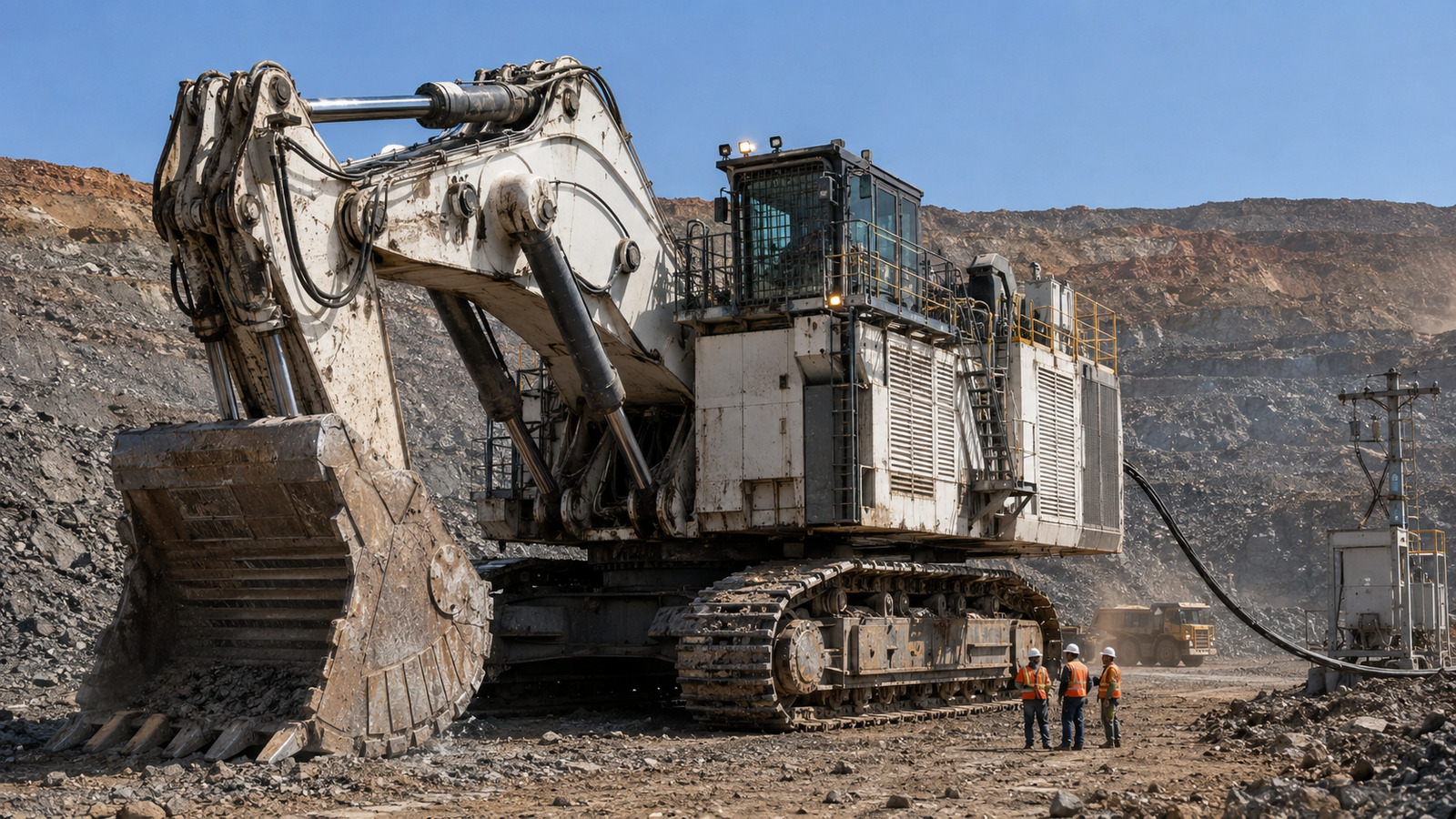
Unprecedented achievement in India: a colossal 650-ton, nearly 3,000 hp excavator is transformed into 100% electric, marking a new phase in heavy mining.
BYD’s Aggressive Cut
On May 23, BYD, China’s largest electric vehicle manufacturer, surprised the market by reducing the prices of 22 models, including electric and hybrid vehicles. The Seagull, an entry-level hatchback, now costs 55,800 yuan (US$ 7,700 or R$ 43,000).
This cut came just two years after the model’s launch, when it was sold for 73,800 yuan (R$ 57,000).
The sharp decline has heightened concerns about the impact of this strategy on the world’s largest automotive market.
Ministry of Industry Alert
On May 31, the Ministry of Industry in China declared to the state agency Xinhua that “there are no winners in a price war, much less a future.” The statement emphasized fears that aggressive competition could undermine the sustainability of the sector.
Additionally, the agency promised to take action to curb excessive competition. The goal is to prevent successive cuts from harming the capacity for investment in research and development, a crucial factor for maintaining competitiveness and ensuring safety standards.
Internal Challenge for the Sector
The pressure for low prices, once seen as an advantage in the global landscape, is now regarded as a domestic risk.
Therefore, China finds itself facing the dilemma of maintaining leadership in electric vehicle production without sacrificing quality and innovation.
This scenario shows that the race to sell at lower prices can turn into a threat to the very industry that helped create it.
With information from Correio do Estado.