






 Portuguese
  Spanish
  3 min of reading
  1 comment


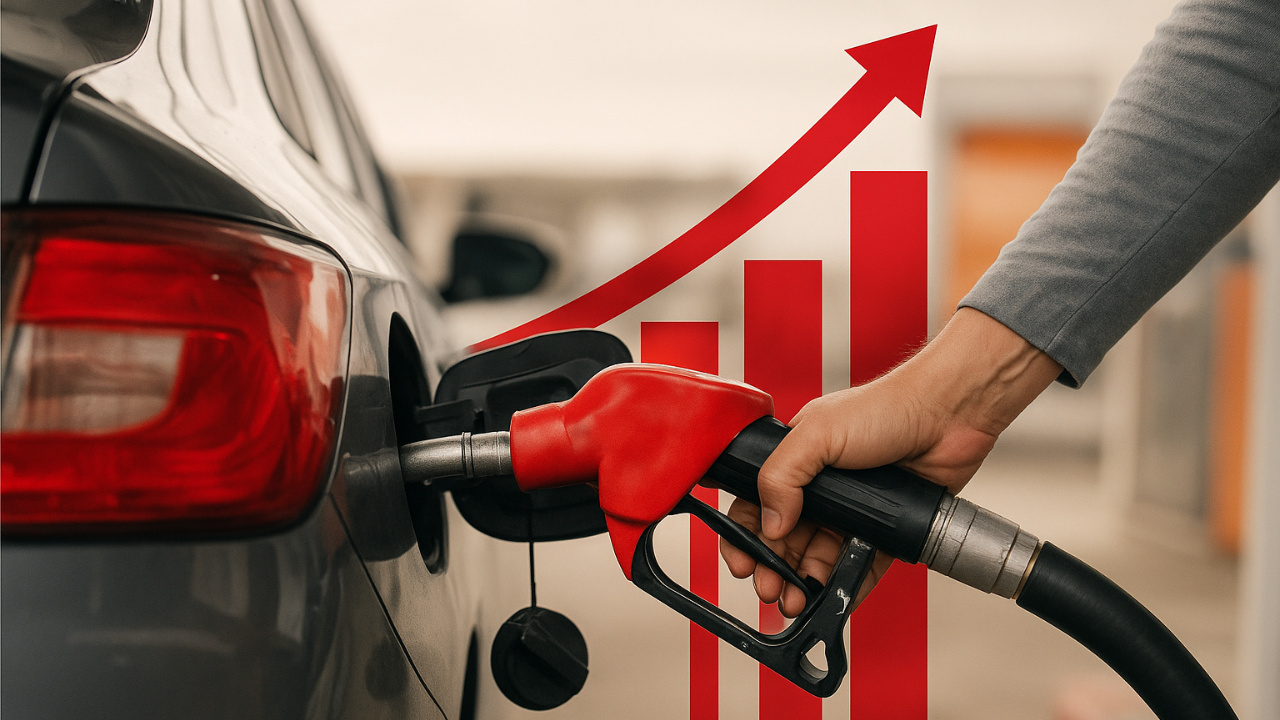


Despite The Decrease In The Price Of Oil, The Price Of Gasoline In Brazil Will Increase In 2026 Due To The Adjustment Of ICMS And The Growth Of The Profit Margins Of Distributors And Gas Stations.
Even in a scenario of cheaper oil and stable dollar, Brazilians will face new increases in the price of gasoline starting in 2026, as reported by Fipe Carros on Wednesday, 09/17. The increase is not related to production costs, but rather to two combined factors: the tax collection policy of the states and the increase in profit margins of distributors and gas stations.
State Taxes Pressuring Fuels
The decision to raise the ICMS was formalized by the National Council of Tax Policy (Confaz) and published in the Official Union Gazette in September. Starting in January 2026, the charge on gasoline and ethanol will increase from R$ 1.47 to R$ 1.57 per liter. Meanwhile, diesel will rise from R$ 1.12 to R$ 1.17, while cooking gas will increase from R$ 1.39 to R$ 1.47 per kilo.
States like São Paulo, Minas Gerais, and Rio de Janeiro, which cope with high debt levels, view ICMS as a crucial tool to keep revenues up to date and ensure access to credit lines. Since the tax is easy to collect and affects the entire population, it has become a pillar of the state fiscal policy.
-
Oil production grows in Rio, but reserve replacement raises a warning sign

-
Petrobras is expected to complete the drilling of the Morpho well in the Foz do Amazonas in August 2026, the first well in the Equatorial Margin, an oil frontier that the ANP estimates at more than 30 billion barrels and could redraw the map of Brazil.

-
Oil returns to the center of concerns with tension between the US and Iran

-
IEA reduces forecast for global oil demand in 2026 after impacts of the Middle East crisis


In addition to taxes, consumers face another obstacle: the increase in profit margins of distributors and gas stations. The Fuel Price Bulletin No. 28, published by Ineep, shows that, between January and August 2025, the gross margin on gasoline increased from 15.5% to 20.9%. This occurred even with the drop in refinery prices, which decreased from R$ 2.30 to R$ 1.80 per liter.
According to specialists, the difference has not been passed on to the final consumer. Thus, the drop in the cost of gasoline, instead of easing the burden on the population, has turned into additional profit for the distribution sector.
Impact On Diesel And Cooking Gas
The pattern of increase is not limited to gasoline. Diesel, an essential fuel for transporting goods and passengers, also shows growing margins: it rose from R$ 0.89 to R$ 0.91 per liter. In the case of cooking gas, used by millions of Brazilian families, nearly half of the price of the cylinder corresponds to the profit of distributors.
For economist Igor Lucena, the scenario reveals a political choice. “Oil has dropped, the dollar has stabilized, and still, fuels will rise. This is not tax policy; it is revenue policy,” he stated.
Analysts also warn that the situation could worsen if international conflicts drive up oil prices. Small adjustments in the global market, combined with the increase in ICMS and the inflated margins of distributors, have the potential to further pressure the price of gasoline and other fuels in 2026.






Deixe-me ver se entendi direito. Se as coisas estão bem, vamos aumentar os impostos para “melhorar”. Se as coisas estão mal, vamos aumentar impostos para zerar a dívida.
Estado com população. Capitalista para arrecadar. Socialista para tributar e Nihilista para o povo.