






 Portuguese
  Spanish


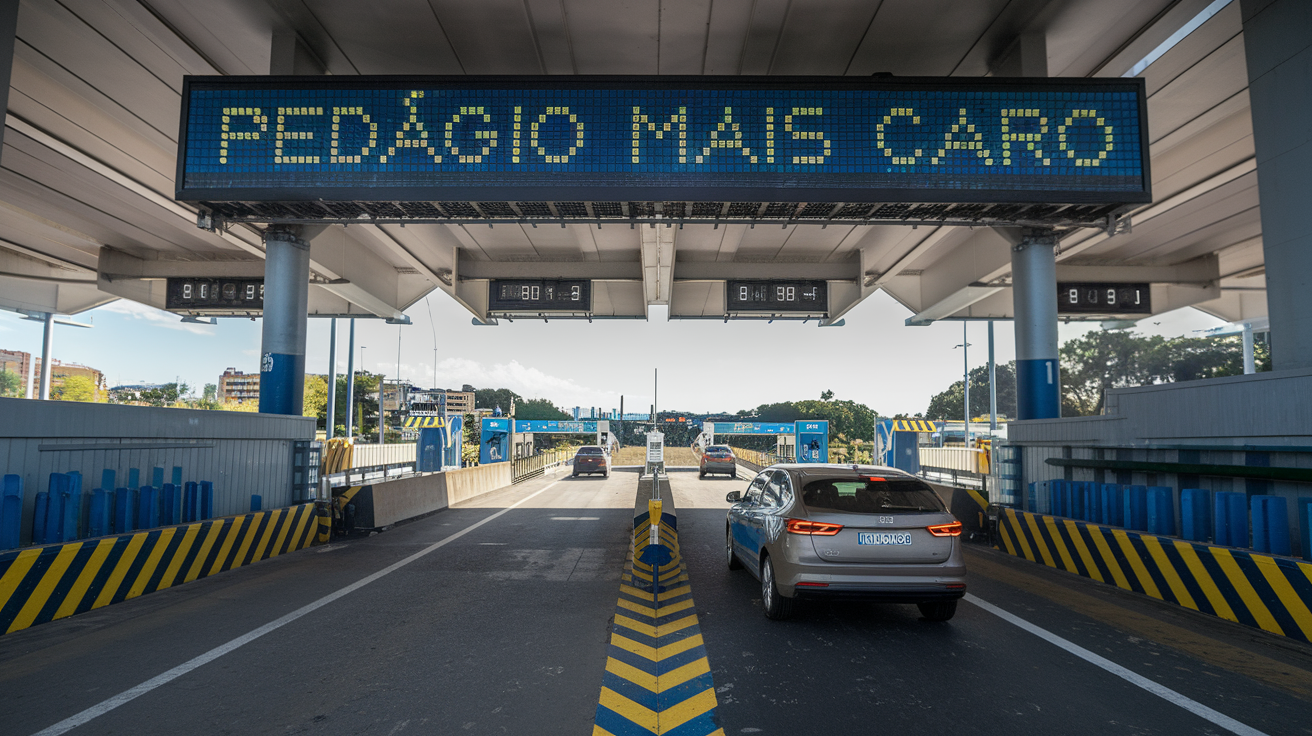


As of today, toll rates on BR-153 increase, while the Toll Voucher becomes electronic starting in January. With the promise of modernization and fewer lines, the changes bring extra costs for drivers. Understand how these new rules impact your wallet and the future of Brazilian highways.
As of this Wednesday, drivers face important changes on BR-153, with adjustments in toll rates and a new payment method that promises to have an impact. Understand how these changes may affect your wallet and your routine.
Starting at midnight this Wednesday, December 25, 2024, the toll rates at the four plazas managed by Triunfo Transbrasiliana, the concessionaire responsible for the São Paulo stretch of BR-153, will be adjusted.
As authorized by the National Land Transport Agency (ANTT) and published in the Official Federal Gazette on December 20, the basic rate for cars, buses, and trucks will increase from R$ 9.40 to R$ 9.60.
-
Brazilian Factory Restores Truck Engines and Parts, Reducing Raw Material Use by Up to 85% After 80 Years in Business

-
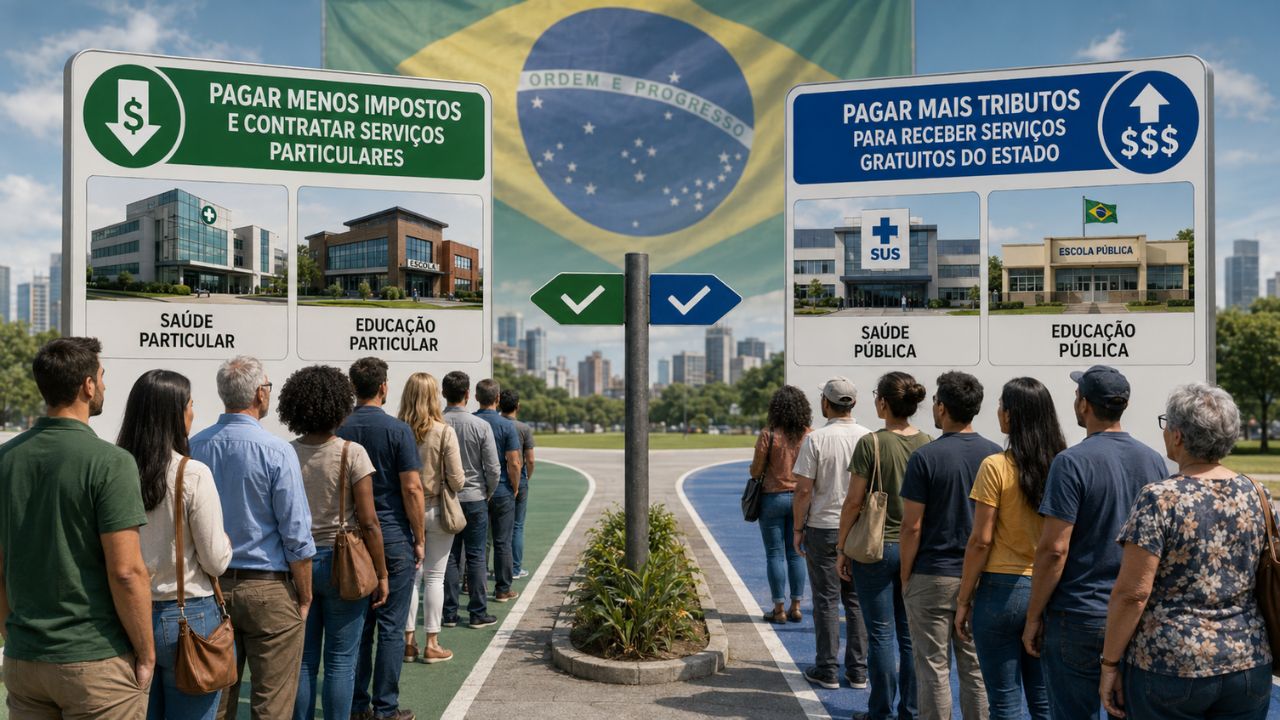
Half of Brazilians Prefer Lower Taxes with Private Health and Education, While 44% Opt for Higher Taxes for State-Provided Services, Datafolha Survey Reveals

-
Brazil’s Most Expensive Toll Rises to R$ 40.60 on Route from São Paulo to the Coast, Nearly Matching Bus Fare to Santos

-
British Marines Set Record by Changing Ford Escort Engine in 42 Seconds, Unbroken for 40 Years



Motorcycles, mopeds, and motorized bicycles will pay R$ 4.80, representing an increase from the current R$ 4.70.
Where Will the New Rates Be Applied?
Drivers passing through the toll plazas located in Onda Verde (km 35+800), José Bonifácio (km 98+900), Lins (km 183+800), and Vera Cruz (km 268+100) should prepare for the new prices.
These adjustments take into account the variation of the Consumer Price Index (IPCA) and financial adjustments to cover investments made by the concessionaire in works and services.
According to ANTT, the measure aims to maintain the economic-financial balance of the concession contract.
New Rule for the Toll Voucher
In addition to the adjustment, another significant change will affect drivers starting on January 1, 2025.
The mandatory Toll Voucher, widely used by transporters, will only be accepted in electronic format, through automatic payment TAGs.
Until December 31, 2024, cards can still be used normally. However, vouchers, which are currently issued on paper, will be accepted until January 31, 2025.
After this period, only electronic technology will be in effect.
According to ANTT Resolution No. 6.024/2024, this transition aims to modernize the toll collection system, providing greater efficiency, security, and speed at the plazas.
The expectation is that the change will also help reduce waiting times, especially during peak hours.
Impacts on the Daily Lives of Drivers
With the increase in rates, many drivers may face additional financial challenges, especially those who frequently use BR-153 for work or transporting goods.
The new electronic system for the Toll Voucher, although modern, also requires adaptation, as drivers and transport companies will need to invest in TAGs if they do not already have them.
These changes mark another chapter in the modernization process of Brazilian highways. However, they raise questions about accessibility and the additional costs faced by users.
How will these changes impact drivers in the long run? And will they really bring the promised benefits?
And you? Do you think these changes on BR-153 will make drivers’ lives easier or just increase costs? Share your opinion in the comments!


Q vergonha brasileira e os buracos continuam estrada ruim sem acostamento terceira faixa e duplicação
O reajuste da tarifa de pedágio na BR-153 e a mudança para o Vale-Pedágio eletrônico visam manter o equilíbrio econômico-financeiro do contrato de concessão e modernizar o sistema de cobrança de pedágios, objetivo bastante natural são da ANTT e concessionária responsável pelo trecho paulista da BR-153. Com essas alterações, os motoristas precisarão adaptar-se a novos preços e método de pagamento.
Então teria que extinguir o IPVA
O IPVA é uma cobrança dos estados brasileiros em função da propriedade de um veículo e não tem relação com as tarifas de pedágio, como descritas no artigo em questão.