






 Portuguese
  Spanish


Donald Trump’s Inauguration as 47th President of the USA, Set for January 20, 2025, Surprises by Selectively Inviting Right-Wing Leaders, Including Argentine President Javier Milei. Luiz Inácio Lula da Silva Was Not Invited, Maintaining the Tradition of Not Inviting Foreign Leaders. Jair Bolsonaro Tried to Recover His Passport to Attend, but the STF Denied, Citing Flight Risk.
In one of the most anticipated events in international politics, Donald Trump will assume his second term as President of the United States on January 20, 2025.
His inauguration, besides being a historical milestone, attracts worldwide attention for decisions that challenge traditional protocols and bring significant implications for international relations.
Among them are the selective invitations to foreign leaders, which included only figures aligned with his political ideology, while others, such as Brazilian President Luiz Inácio Lula da Silva, were left out.
-
Bird-Inspired Robot Glides on Air Currents up to 10 m/s, Balances Itself, and Aims to Save Energy in Industrial Inspections and Meteorological Balloons

-
Eight Artists Secretly Lived in a Hidden 70m² Apartment Inside a Shopping Mall in Brazil for Four Years
-
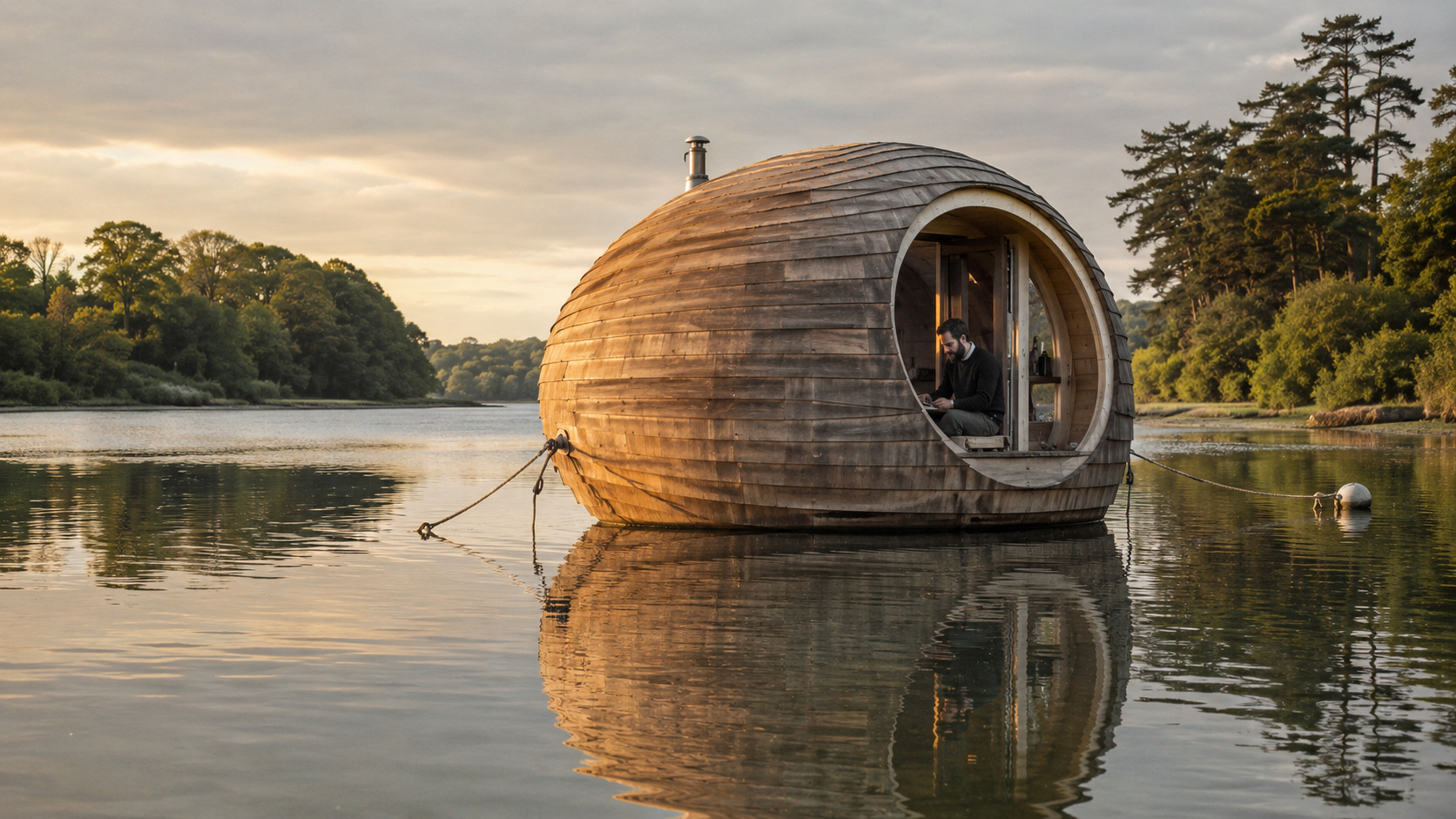
Artist Lives in Giant Wooden Egg Over a UK River to Observe Tides and Environmental Changes
-
Brazilian City Makes Remarkable Leap, Becomes 4th Wealthiest in the Country with GDP of R$ 134.1 Billion



Select Guests and Political Strategy
Breaking the tradition of not inviting foreign heads of state to presidential inauguration ceremonies, Trump adopted an unprecedented approach in 2025.
Among the confirmed international leaders are Javier Milei, President of Argentina, known for his ultraliberal stance, and Giorgia Meloni, Prime Minister of Italy, who shares conservative ideals with Trump.
Nayib Bukele, President of El Salvador, and Daniel Noboa from Ecuador were also invited, reinforcing Trump’s preference for right-wing leaders.
This careful selection of guests signals a strategy to strengthen ties with ideologically aligned governments while excluding leaders whose policies diverge from his vision.
According to analysts, the choice reflects Trump’s desire to build an international coalition with conservative, pro-market values, prioritizing strategic interests aligned with his administration.
The Exclusion of Lula and Its Diplomatic Impact
Luiz Inácio Lula da Silva, President of Brazil, was not invited to the ceremony, a decision that generated repercussions on the diplomatic scene.
Traditionally, the United States does not extend formal invitations to foreign leaders for presidential inaugurations, except in rare exceptions.
However, the inclusion of some leaders in this specific event highlights the exclusion of the Brazilian head of state.
Experts assess that Lula’s absence from the guest list may indicate diplomatic tensions between the two nations, especially following divergent public statements between the two presidents on issues such as the environment, democracy, and global economy.
Trump’s decision reinforces the challenges Brazil might face in maintaining friendly and productive relations with the United States during this new administration.
Jair Bolsonaro: Frustrated Attempt to Attend
While Lula was not invited, former Brazilian President Jair Bolsonaro claimed to have received an invitation to Trump’s inauguration.
However, his attempt to attend the event was blocked by the Supreme Federal Court (STF).
Bolsonaro had requested the return of his passport, which has been held since February 2024 due to investigations related to an alleged coup attempt.
The request was denied by Minister Alexandre de Moraes, who justified the decision based on the flight risk of the former president.
Moraes further emphasized that Bolsonaro does not hold an official position that would justify his presence at the event and that the invitation presented lacked formal proof.
The denial underscores the legal challenges faced by the former leader and his quest for international political prominence, even amid restrictions imposed by Brazilian Justice.
Brazilian Representation Guaranteed by Ambassador
Despite the controversies surrounding Lula and Bolsonaro, Brazil will be represented at Trump’s inauguration by Ambassador Maria Luiza Viotti, head of the Brazilian diplomatic mission in Washington.
This practice follows standard protocol, ensuring that the country maintains institutional presence at international events, even in the absence of its head of state.
Viotti’s participation reinforces Brazil’s commitment to preserving its diplomatic relations with the United States, regardless of the political circumstances that may directly affect both governments.
Implications for Brazilian Foreign Policy
The absence of Lula and Bolsonaro’s frustrated attempt to attend Trump’s inauguration bring significant implications for Brazilian foreign policy.
The event highlights Brazil’s challenge in navigating complex global diplomatic dynamics in a climate marked by ideological polarization.
Experts note that the new Trump administration is likely to prioritize alliances with conservative governments, which may require adjustments in Brazilian diplomatic strategy to ensure a balanced and beneficial relationship with the United States.
This dynamic underscores the importance of a pragmatic foreign policy capable of overcoming ideological divergences and promoting national interests.
Global Challenges and the Role of the USA Under Trump
Trump’s inauguration comes at a critical moment for the international landscape, with challenges such as the war in Ukraine, tensions in the Middle East, and climate change demanding urgent attention.
The new administration’s stance on these issues will likely directly influence global geopolitics.
With his “America First” policy, Trump is expected to pursue a more isolationist approach, prioritizing domestic interests over multilateral commitments.
This shift could impact not only allied countries but also strategic adversaries, redefining the United States’ role as a global leader.
Final Considerations
Donald Trump’s inauguration ceremony in 2025 is not merely a procedural event but also an indication of the priorities and guidelines that will guide his administration in the coming years.
The selective choice of guests, combined with the exclusion of leaders like Lula, reflects a calculated political strategy, with possible ramifications for global diplomacy.
Meanwhile, Brazil faces the challenge of adjusting its foreign policy to a transforming international context, reaffirming its position on the global stage and promoting its interests strategically.
The event, therefore, symbolizes not only the beginning of a new presidential term in the United States but also the complexity of international relations in an increasingly polarized world.
Do you believe that Trump’s second term will have a significant impact on international alliances? Share your opinion in the comments!


