Portuguese
  Spanish


Ceará Stands Out in Renewables and Energy Transition with FIEC’s Vision and Enel’s Partnership, Strengthening Regional Leadership in Clean and Sustainable Energy.
The energy transition has become, over the last few decades, one of the most strategic themes on the planet. Since the end of the 20th century, governments, companies, and scientific institutions have sought to replace fossil fuels with renewable energy sources, with the aim of reducing environmental impacts and promoting sustainable development.
In Brazil, this transformation gained momentum especially in the Northeast, where favorable natural conditions and public policies for incentives created a conducive environment for innovation.
Thus, the region has established itself as a national and international reference in clean energy.
-
Engie Secures 10-Year Use of 625 MWh in Batteries to Store Excess Solar and Wind Energy in Spain by 2028

-
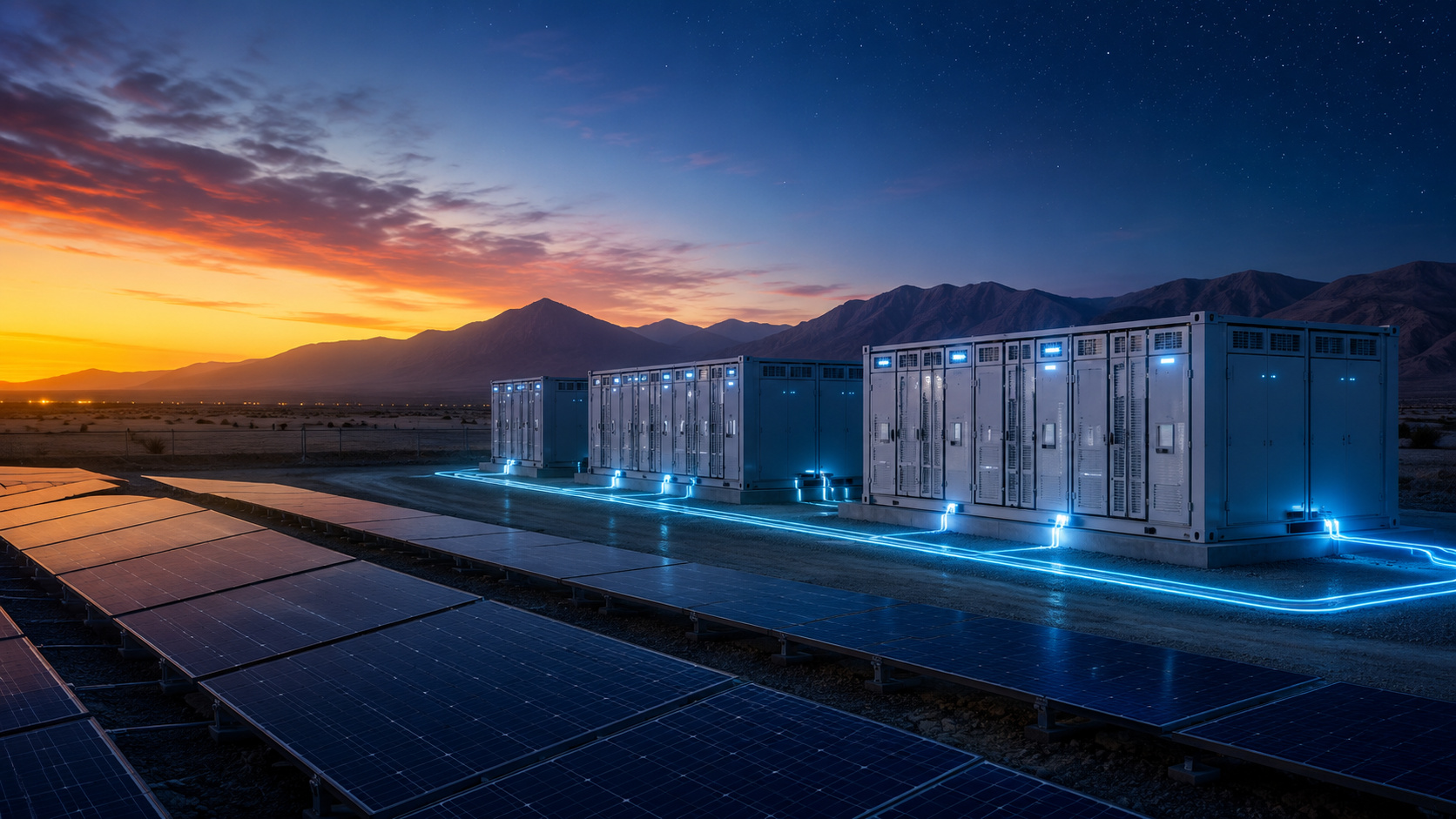
Giant Batteries Take Center Stage in Chile Auction as Company Offers 960 GWh of Solar Energy for Nighttime Use, Aiming to Stabilize Solar Power Supply
-
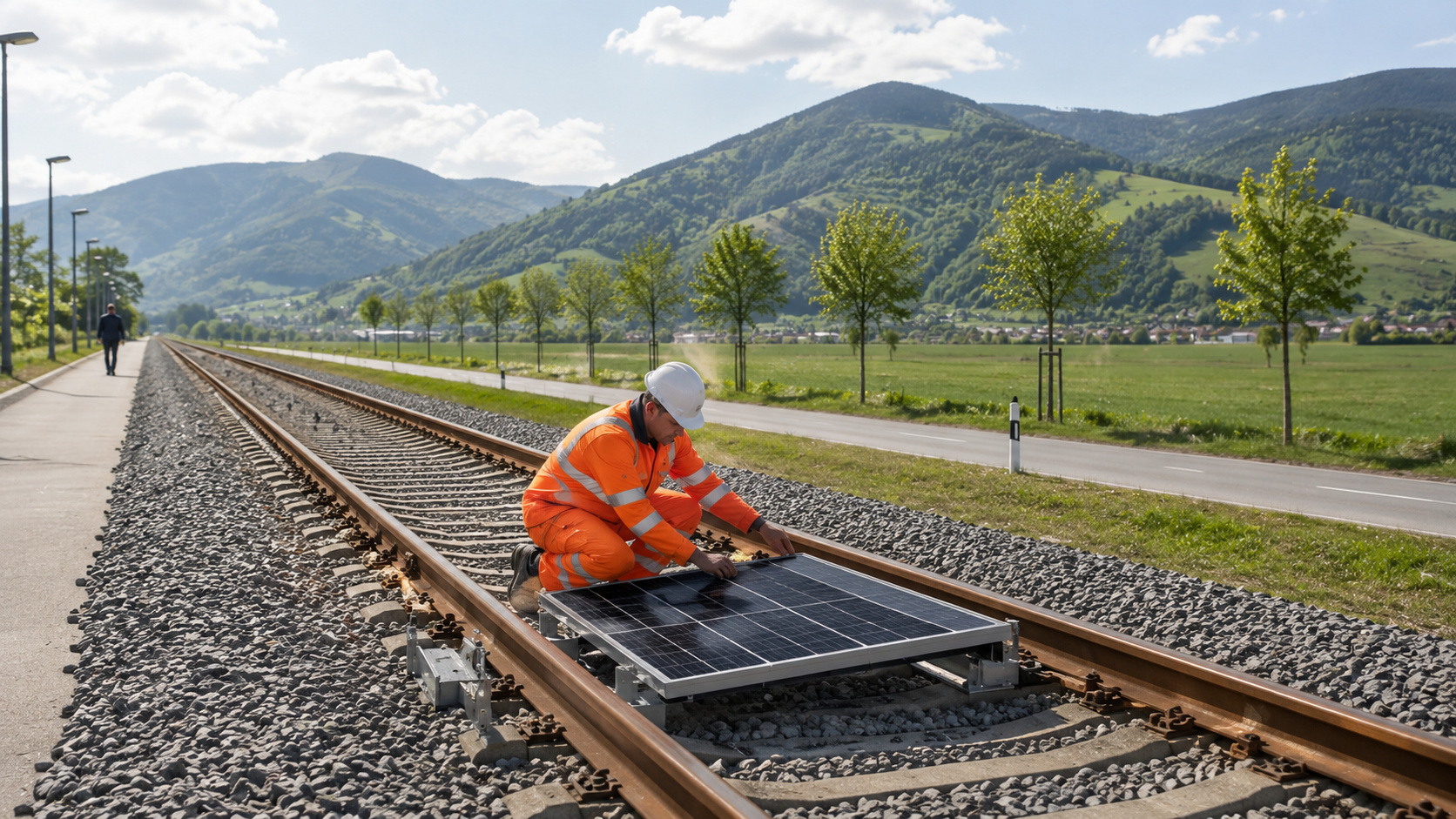
After a Year of Success in Switzerland, Solar Railway Attracts Italy’s Interest for Clean Energy Transformation
-
Robots Clean Solar Panels in Desert Power Plants Without Water, Preventing Energy Losses


As a result, the search for sustainable solutions has ceased to be a future trend and has become a present movement, with direct effects on the economy, the environment, and social well-being.
In this context, the president of the Federation of Industries of the State of Ceará (FIEC), Ricardo Cavalcante, presented, during the event “Ceará on the Energy Transition Route”, organized by Enel Ceará, a reflection on the role of Ceará and the Northeast in the new era of renewable energies.
The meeting brought together representatives from the public and private sectors, as well as experts, reinforcing the regional prominence in building a cleaner and more inclusive energy matrix.
The Historical Trajectory of the Energy Transition
Historically, the search for new energy sources has accompanied the development of civilizations. Since the Industrial Revolution, the world has undergone several changes in the energy matrix: from coal to oil, then to natural gas, and more recently, from these fossil sources to renewable energies, such as solar, wind, and green hydrogen.
Each step emerged as a response to the economic, technological, and environmental demands of its time.
In the Brazilian case, the movement gained strength from the 1970s, when the oil crisis revealed the country’s external dependence.
From then on, the government began to encourage diversification of the energy matrix, prioritizing hydroelectricity and subsequently investing in solar and wind energy.
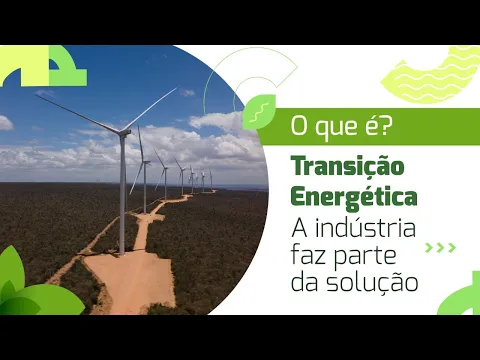
Over the years, these investments expanded, and the Northeast stood out for its natural generation capacity.
Thanks to constant winds and intense solar radiation, the region has transformed into a clean energy laboratory.
Additionally, the climatic stability and availability of large areas for the installation of solar and wind farms have attracted national and international investors.
Thus, Ceará has established itself as one of the leaders of this transformation, becoming a symbol of a successful energy transition and a economy focused on sustainability and innovation.
Ceará and the Protagonism in Clean Energy
During his presentation, Ricardo Cavalcante highlighted the strategic role of Ceará and the Northeast in the context of the global energy transition.
According to him, the Northeast has already become a global asset of clean energy, recording a 95.3% growth in energy generation between 2016 and 2024.
Currently, the region occupies the second position in energy production in Brazil, with wind energy responsible for 61% of the matrix and solar energy for 16%.
Furthermore, the president of FIEC emphasized that the region’s potential goes beyond the numbers, as the sun and wind in the Northeast are considered “a natural blessing”.
Indeed, the constancy of winds and the favorable solar position provide a more efficient and predictable energy production.
As a result, Ceará ranks among the most promising states in the world for investments in renewable energies.
On the other hand, the modern infrastructure, such as the Port of Pecém, and the presence of research and innovation centers strengthen the state’s capacity to export clean technology and energy knowledge.
Green Hydrogen and New Technological Frontiers
In addition to advancements in solar and wind energy, Ricardo Cavalcante emphasized the role of green hydrogen (H2V) as a pillar of the new energy economy.
Produced from renewable sources, H2V has the potential to replace fossil fuels in various sectors, including heavy industry and maritime transport.
Ceará stands out as a protagonist in this process, as it hosts five of the six green hydrogen hubs in the Northeast, with approved projects for ammonia export via the Port of Pecém.
Thus, the state positions itself to meet the growing global demand for clean energy, especially from Europe and Asia.
Additionally, the rise of green hydrogen is connected to the increased energy consumption driven by Artificial Intelligence (AI).
Studies indicate that by 2030, AI could consume about 21% of global energy, reinforcing the need for sustainable solutions.
In this context, Fortaleza emerges as a prominent technological center, due to its global connectivity through fiber optic cables and its ability to attract Data Centers powered by clean energy.
Consequently, this integration between energy and technology strengthens Ceará as an energy innovation ecosystem, where universities, companies, and research centers collaborate to develop sustainable and competitive solutions.
Talent Development and Industrial Innovation
According to Ricardo Cavalcante, the energy transition represents a transformation in the job market.
The sector requires highly qualified professionals, prepared to deal with new technologies and sustainable practices.
With this objective, the FIEC System has heavily invested in technical education and innovation.
The SENAI Ceará has already trained thousands of workers for the energy sector.
Just in the last year, almost 4,000 people were trained to work on Enel projects, and this year, the number of training sessions has already surpassed 90,000 professionals in various industrial fields.
These results demonstrate the state’s commitment to developing human capital.
Moreover, the FIEC System supports the installation of the Aeronautics Technological Institute (ITA) in Ceará and promotes MBAs and specialized institutes in energy and green hydrogen.
Thus, Ceará not only attracts investments but also produces its own knowledge and technology, consolidating itself as a national hub for energy education and industrial innovation.
Social Impacts and Economic Opportunities
In addition to technological and economic aspects, the energy transition has a strong social impact.
According to Cavalcante, the new energy sources can transform historically disadvantaged regions, generating employment, income, and opportunities for sustainable growth.
The FIEC president stated that “the revolution in the countryside will come through energy”.
According to him, previously unproductive lands can become sources of income by installing solar panels.
Thus, rural communities begin to actively participate in the green economy, contributing to local development.
Moreover, this process stimulates tech tourism and regional entrepreneurship, as cities that once depended on traditional agriculture now attract companies from the energy sector.
In this way, the advancement of renewable energies creates a virtuous cycle of innovation, inclusion, and prosperity.
The Future of Renewables and Energy Transition in Ceará
The presence of business leaders, public authorities, and experts at the Enel Ceará event demonstrated the commitment of efforts towards the energy transition.
The integration of industry, commerce, and government is essential to consolidate Ceará as one of the most advanced hubs in the country in clean energy.
According to Ricardo Cavalcante, the transition is not a distant phenomenon — it is already underway and requires planning, innovation, and continuous cooperation.
Ceará is ready to receive investments and lead the new green economy, based on sustainability, technology, and professional qualification.
In concluding his speech, Cavalcante emphasized that optimism must go hand in hand with realism.
The energy revolution is happening now, and the coming years will be crucial for Brazil to consolidate its position as a power in renewable energies.
Finally, the event “Ceará on the Energy Transition Route” symbolizes the union between strategic vision and concrete action.
With abundant natural resources, modern infrastructure, and qualified human capital, Ceará reaffirms its leadership role and inspires the world on the journey of renewable energies and energy transition.