Portuguese
  Spanish


Project approved in the Senate brings prison labor, recycling, and urban cleaning closer, but still depends on new stages before becoming law and producing concrete effects in Brazilian cities. The measure targets prisoners in closed and semi-open regimes and changes rules related to sanitation and solid waste.
The Senate’s Environment Committee approved, this Tuesday (09), a substitute for Bill 3,202/2024, which allows the participation of prisoners in closed and semi-open regimes in urban cleaning activities, solid waste management, reuse, and recycling of materials.
Despite the progress in the committee, the proposal is still not law and will proceed to the Committee on Constitution and Justice for analysis, a necessary step before any further legislative process, as reported by the Senate Agency.
The project is authored by Senator Sérgio Petecão (PSD-AC) and received a favorable opinion from the rapporteur, Senator Alessandro Vieira (MDB-SE), in a report read at the CMA meeting by Senator Confúcio Moura (MDB-RO).
-
Brazil’s Highly Anticipated Highway Progresses with 8 Lanes, 24 Overpasses, and 2 Escape Ramps; Project Reaches 70% Completion, Set to Transform Traffic for 390,000 Vehicles Monthly

-
Siblings Leave Retirement and Decades in the Energy Sector to Rank Among Top 10 Efficient Poultry Farms, Plan Expansion in São Paulo
-
Man Compensated After Being Charged Property Tax for Over 30 Years Post-Sale, Court Upholds Decision in Southern Brazil

-
Mediterranean Storm Uncovers 1,800-Year-Old Roman Marble Columns Near Israel, Revealing Ancient Shipwreck and Insights into Imperial Architecture


Prisoners’ work with recycling
According to the text under discussion in the Senate, convicts in closed or semi-open regimes may engage in activities related to sorting, reuse, and recycling of solid waste, as well as actions related to the management of these materials in the context of urban cleaning.
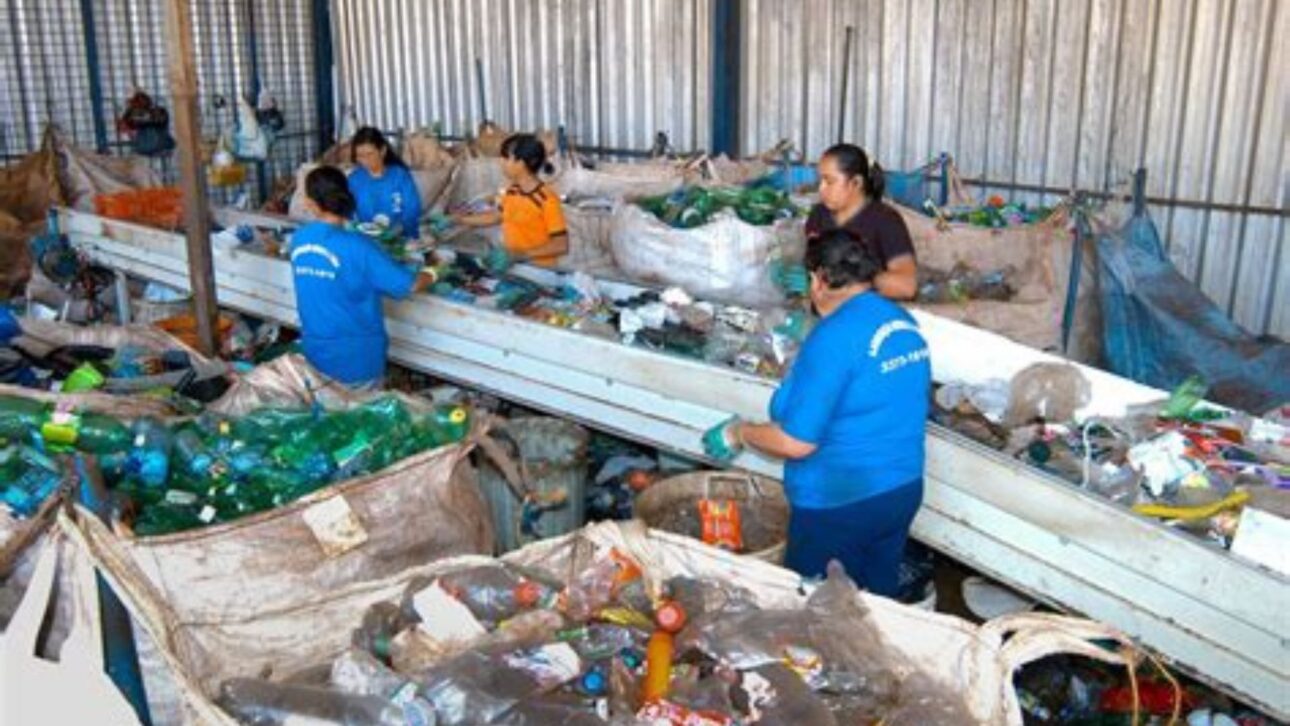
The proposal seeks to bring environmental policy closer to penal execution policy, treating prison labor as a tool for resocialization while reinforcing practices of reusing discarded materials.
In the rapporteur’s assessment, the participation of prisoners in these tasks can contribute to social reintegration, without detracting from the environmental goal of encouraging reuse and recycling within public policies.
The substitute also preserves changes in rules related to basic sanitation and waste management, intending to provide legal support to projects involving people deprived of liberty.
Even with approval in the CMA, the analysis of the topic has not been concluded, as the matter will still go through the CCJ and may receive adjustments before advancing to other stages in the National Congress.
Changes in sanitation and solid waste
The original version of PL 3.202/2024 provided for changes in three federal legislations: the Penal Execution Law, the Basic Sanitation Law, and the National Solid Waste Policy.
In the approved substitute, part of these changes was maintained, while the change planned in the Penal Execution Law was removed by the rapporteur during the proposal’s analysis.
In the Basic Sanitation Law, the project includes the possibility for convicts to participate in waste sorting, bringing prison labor closer to urban services related to the separation and proper disposal of recyclable materials.
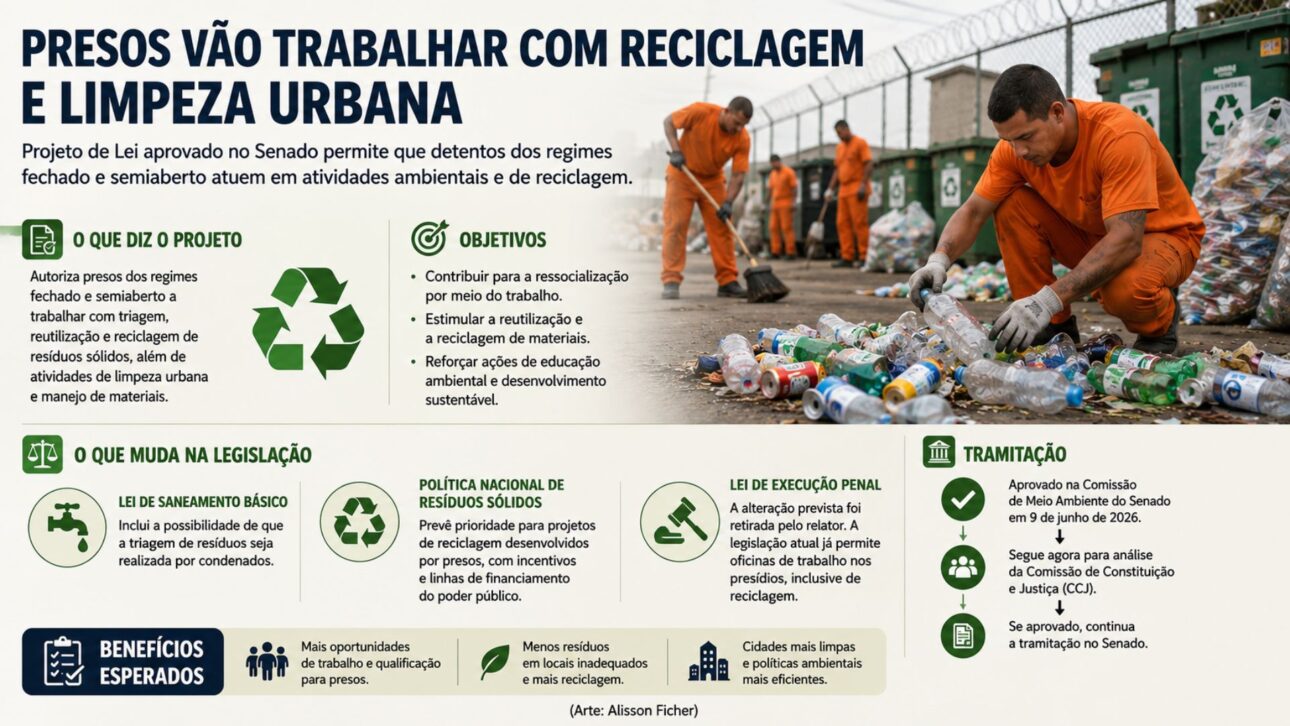
In the National Solid Waste Policy, recycling initiatives developed with prisoners are treated as actions that can receive priority through public incentives and financing lines established by the public authority.
The exclusion of the change in the Penal Execution Law was defended by Alessandro Vieira on the grounds that the current legislation already allows for work workshops in prisons, including activities associated with recycling.
According to the rapporteur, there are already experiences in this segment, making the inclusion of a new specific authorization in the legislation regulating the execution of sentences unnecessary.
Resocialization and environmental policy
Two themes generally treated in distinct areas of public administration appear connected in the proposal approved by the Environment Commission: the reintegration of prisoners into social life and solid waste management.
On one hand, the work of prisoners is presented as a tool to expand productive occupation within the prison system, especially in activities that may contribute to the formation of professional habits.
On the other hand, recycling appears as part of an environmental strategy aimed at the reuse of materials and the reduction of problems related to the improper disposal of waste in cities.
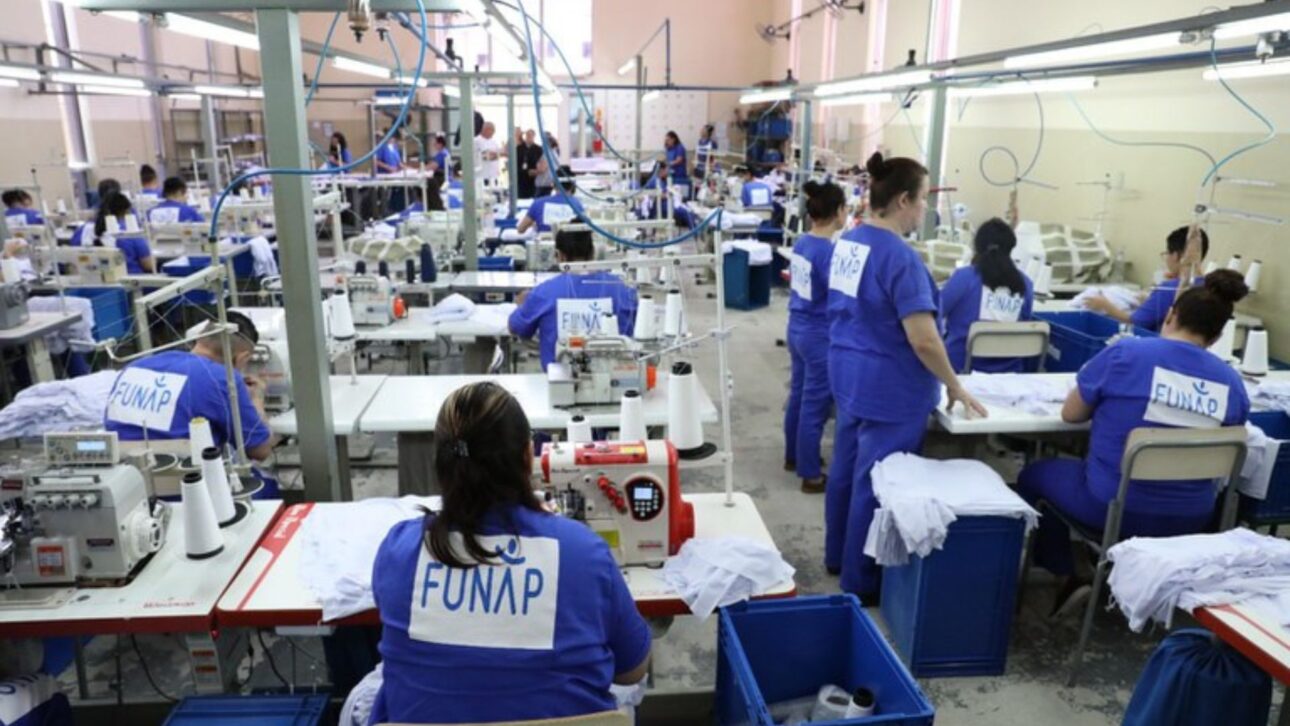
According to the approved report, the participation of convicts in these activities can expand job opportunities in the prison system, provided that legal rules and the available structure in each unit are respected.
At the same time, the proposal seeks to reinforce reuse and recycling policies, a relevant issue for municipalities that still face limitations in selective collection, sorting, and proper disposal of discarded materials.
The approved text also allows for action through foundations, public companies, or agreements between governments and the private sector, according to information released by Rádio Senado about the proposal.
Project Processing in the Senate
Although the project deals with the authorization for inmate work with recycling, its practical application will depend on the final approval of the proposal and how governments, prison units, and partner entities can structure the activities.
In the CCJ, the processing will be significant because the commission analyzes constitutional, legal, and legal aspects of the proposals, being able to maintain the text approved in the Environment Committee or propose new changes.
During the CMA meeting, the matter was approved in a symbolic vote, and the Senate’s shorthand notes record that the report became the committee’s favorable opinion on the project.
For now, the central point is that the Senate has advanced with a proposal that authorizes the participation of inmates in specific environmental activities, but still without immediate effect on the prison system.
If approved in the following stages, the measure could integrate prison work programs with sanitation and solid waste policies, always subject to legal rules, available structure, and execution models adopted by the responsible bodies.