






 Portuguese
  Spanish


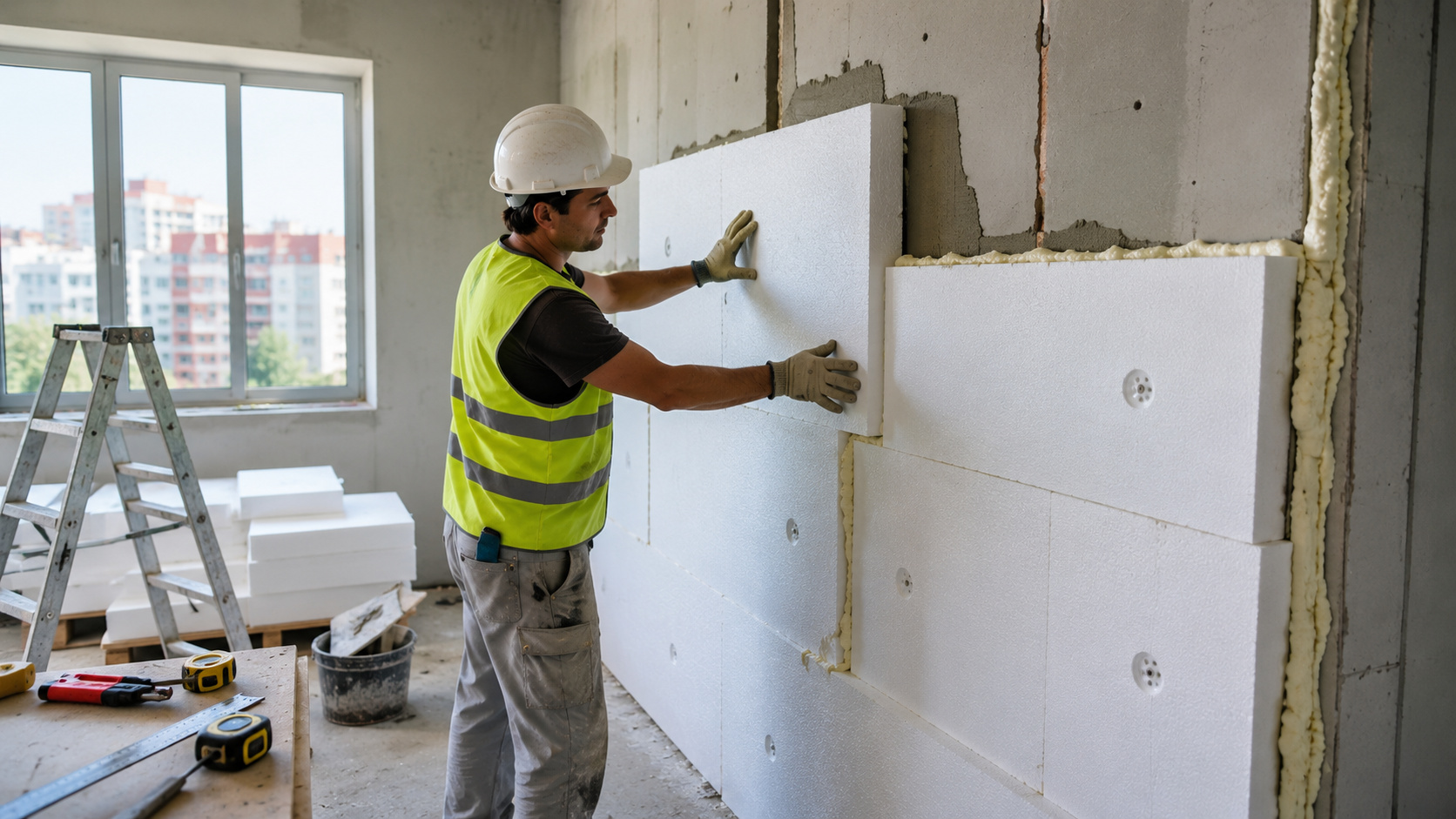

Solution based on expanded polystyrene panels is gaining attention for reducing moisture formation caused by condensation on cold walls, but experts warn that the method only works in specific situations and does not replace the repair of leaks or structural problems.
Living with mold on the walls is a reality that affects thousands of families and goes far beyond the unpleasant appearance of the environments. In addition to compromising the aesthetics of the house, the problem can damage furniture, bed headboards, wallpaper, and other objects leaning against damp surfaces. In recent months, a technique using expanded polystyrene (EPS) panels has gained prominence on social media for promising to reduce mold caused by condensation. As published by the site TN Tecno, the method has sparked interest mainly among residents of properties with cold walls and little ventilation.
Why does mold appear on walls?
In many properties, especially during periods of lower temperatures or in humid regions, some walls remain significantly colder than the rest of the environment. When the water vapor present in the air comes into contact with these surfaces, condensation occurs, forming small droplets of water.
This scenario creates ideal conditions for the development of fungi and mold.
-
Innovative Building Material: EPS Construction Revolutionizes with Faster Builds, Less Waste, and Enhanced Thermal Comfort

-
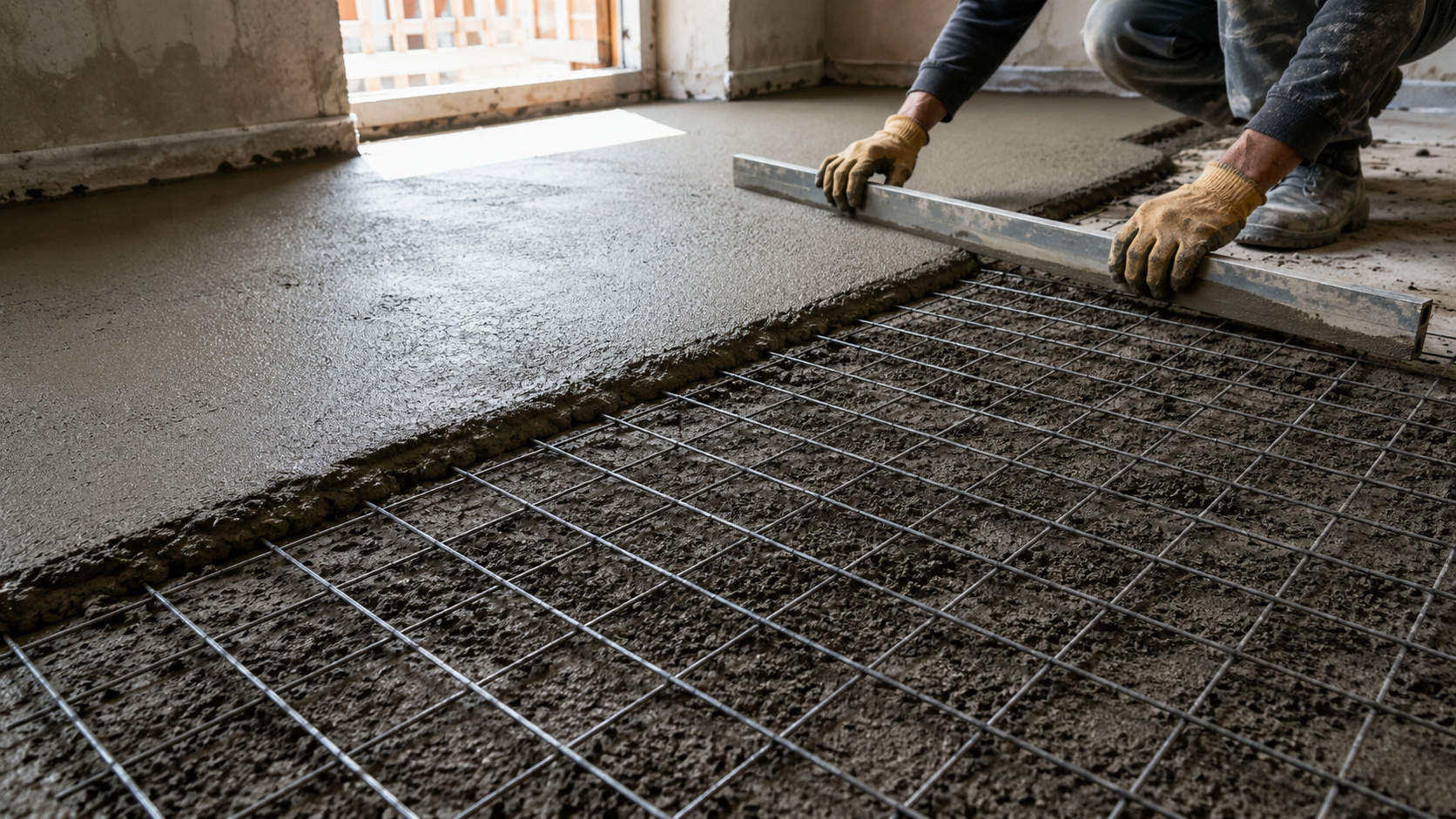
Correct Floor Screed Thickness and Strategic Use of Reinforcement Mesh Key to Preventing Cracks and Enhancing Durability Without Significant Cost Increase

-
Bristol Builds 11 Steel Stilt Houses Over Parking Lot, Providing Zero-Carbon Homes for Youth at Risk of Homelessness
-
New York Converts Massive Landfill with 150 Million Tons of Waste into a Giant Park, Concealing Decades of Consumption Beneath Green Hills



The problem is even more frequent in bedrooms with headboards against the wall, bathrooms without adequate ventilation, rooms located in external corners of the residence, and areas near old windows, where thermal exchange occurs more intensely.
Even after cleaning the stains or a new paint job, mold tends to reappear quickly when the cause of condensation remains present.
How expanded polystyrene panels help reduce moisture
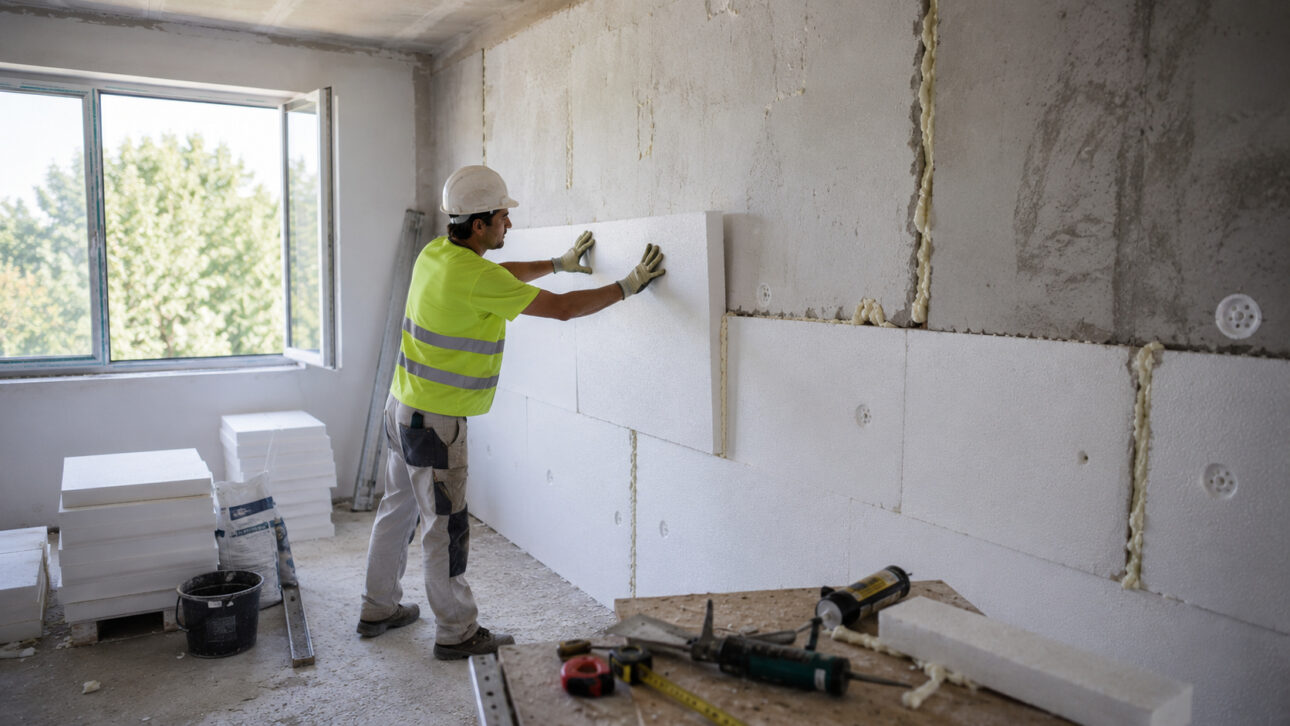
The solution consists of installing expanded polystyrene panels directly on the affected wall.
Known by the acronym EPS, the material functions as an efficient thermal insulator thanks to its composition, consisting of approximately 98% air distributed in closed cells. This characteristic hinders the transfer of heat between the environment and the wall.
In practice, the surface stops remaining excessively cold. As a consequence, the condensation of water vapor is significantly reduced, making it difficult to create the humid environment necessary for mold development.
Another important difference is that EPS is a non-hygroscopic material, meaning it does not absorb water, which also helps to prevent the growth of fungi on its own surface.
This combination makes thermal insulation an interesting alternative to specifically combat mold caused by condensation.
How the technique is applied in practice


The installation is usually relatively simple.
The EPS boards — often about 30 millimeters thick — are fixed directly to the wall using an appropriate adhesive.
After this step, a reinforcement mesh is usually applied over the joints, followed by the desired finish, which can include leveling compound, paint, or even decorative wallpaper.
In bedrooms, for example, the solution allows for the installation of modular headboards without direct contact with the cold wall, also promoting air circulation between the furniture and the surface.
Besides the aesthetic improvement, thermal insulation helps to preserve furniture, coverings, and decorative objects, reducing damage caused by humidity over time.
When the method does not solve the problem
Despite its popularity on social media, specialists issue an important warning.
Insulation with expanded polystyrene boards only yields good results when mold is caused by condensation.
If the source of moisture is related to infiltrations, hydraulic leaks, waterproofing failures, or structural problems, installing the boards will not eliminate the cause of the problem.
In these cases, the stains may reappear even after applying the insulation.
Therefore, it is recommended to correctly identify the source of moisture before investing in the technique. If there is infiltration or any structural defect, the repair should be carried out first, and only then evaluate the need for thermal insulation.
In which environments does the use of panels make the most sense?
According to the information published by TN Tecno, some locations tend to show better results with this type of insulation:
- Bedrooms with headboards against the wall;
- Walls near old windows;
- Bathrooms with poor ventilation;
- Corner exterior walls, more exposed to the cold;
- Environments where condensation occurs frequently.
When applied correctly and in the indicated cases, the technique can significantly reduce mold formation, increase the thermal comfort of environments, and prolong the lifespan of furniture and coatings.


