






 Portuguese
  Spanish
  3 min of reading
  0 comments


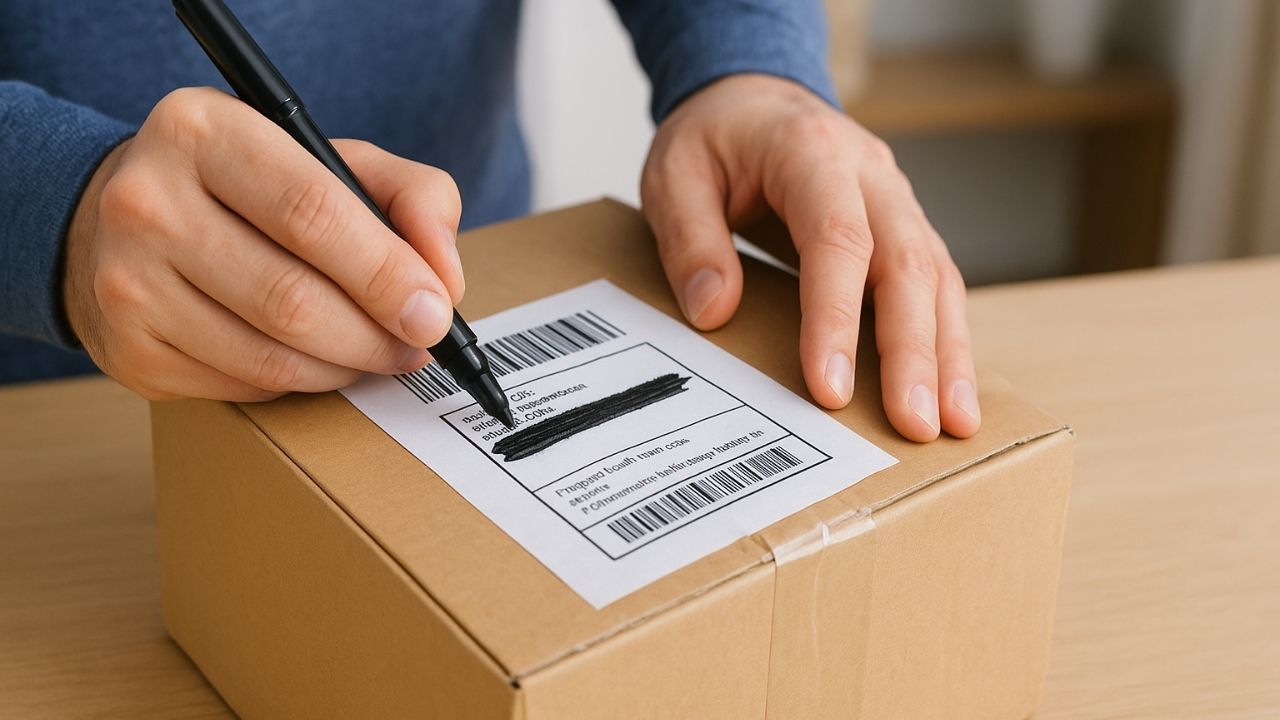
Millions of Brazilians Still Make a Simple Mistake When Discarding Deliveries. Learn How to Protect Your Personal Data and Avoid Scams.
Removing or tearing off delivery labels with personal data is a simple but essential measure to ensure privacy and prevent personal information from falling into the wrong hands.
This recommendation comes from digital security experts, who warn of the risks of exposing information contained in packages sent by online stores and carriers.
The guidance applies to any consumer receiving packages through the postal service or private delivery companies, and it should be followed before discarding the packaging.
-
Brazilian siblings aged 11 and 7 read 240 books in just one year and caught attention on social media: while many children spend hours on screens, they turned their family’s routine into an example of reading, discipline, and curiosity.

-
4-year-old granddaughter saved her elderly grandmother after a serious fall at home, ran to ask a neighbor for help, and guided rescuers to the room, surprising the police with her calmness and may receive an award for the action that prevented a family tragedy.
-
Forget the Eiffel Tower: the largest steel bridge on the planet has 25.8 thousand tons of metal, a height equivalent to 100 floors, a record-breaking arch of 580 meters, and spans mountains 310 meters above the river.

-
With 181 meters, 12,000 tons, and 46 years in service, the French helicopter carrier concealed a mission that involved 5 types of helicopters and global presence.



Barcodes and QR Codes Also Contain Sensitive Data
In addition to the name and address printed on the labels, many packages contain barcodes and QR codes that hide personal information of the buyer.
According to the digital identity management company Idwall, these codes can be used maliciously by scammers seeking access to consumer data.
These codes can contain purchase details and even the access code of the invoice, a 44-digit number that includes CPF, phone, amount spent, and the customer’s full name.
Therefore, simply crossing out the name and address is not enough — it is essential to stamp, blur, or completely tear off the labels.
Privacy and Proper Disposal: A Habit That Prevents Fraud
The recommendation to completely remove labels also applies to envelopes of bills and personal documents. Scribbling or erasing visible information prevents third parties from accessing improperly discarded personal data.
This practice is a simple way to exercise the right to privacy guaranteed by the LGPD (General Data Protection Law), which defines rules on how companies must store, handle, and protect their customers’ information.
However, protection starts at home, with care taken when discarding papers and packaging that contain personal information.
Data Breach and Scammers
The risks are not merely theoretical. In 2021, one of the largest data breaches in the history of the country exposed information from more than 223 million Brazilians, including CPF and date of birth, which ended up being made available on the dark web — a part of the internet often used for illegal activities.
According to the Serasa Experian report “Fraud Attempt Indicator,” Brazil registers a fraud attempt every 4.2 seconds. In just the first half of 2025, there were 7 million identified attempts.
These numbers reinforce the importance of protecting information on labels and documents, as even small oversights can facilitate the actions of criminals.
LGPD and the Right to Personal Information Protection
The General Data Protection Law (LGPD) was created to regulate the use of personal information in Brazil and impose limits on companies regarding how this data must be collected, processed, and stored.
It also classifies what constitutes personal data and sensitive data, in addition to guaranteeing citizens the right to request the deletion of improperly retained information by organizations.
Even with the LGPD in effect, users must still maintain self-protection habits. Destroying delivery labels is one of them — a simple action that can prevent financial losses and preserve privacy.
Practical Care to Protect Your Personal Information Against Fraud
Completely remove or tear off delivery labels before discarding them;
Destroy QR codes and barcodes, which may contain hidden information;
Use privacy stamps or permanent markers to blur data;
Avoid throwing away documents that contain CPF, address, phone, or other personal data without first rendering them unusable;
Remember: each precaution contributes to reducing the risk of frauds and data breaches.


-

-

-

-

9 people reacted to this.