






 Portuguese
  Spanish


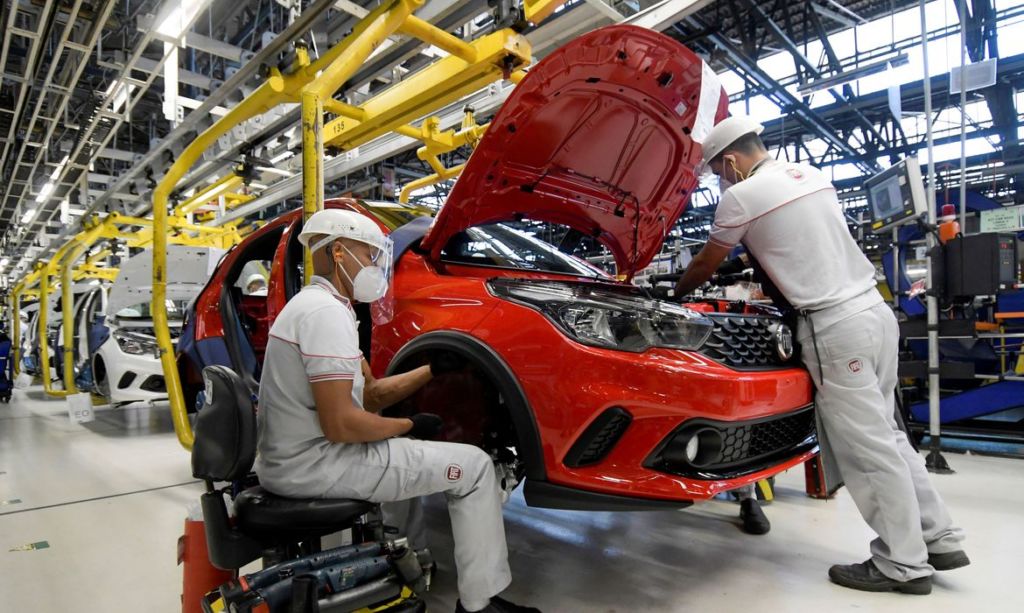

Before Buying a Vehicle, Pay Attention to These Three Essential Points to Ensure a Reliable Car and Avoid Headaches.
When you are buying a car, what is the most important thing you are looking for? A survey revealed that “reliability” is the number one factor for three-quarters of respondents, closely followed by “safety“. Do you want a reliable car? Here are some points to consider.
It is easy to understand why reliability scores so high: drivers want peace of mind knowing that the vehicle they have invested a considerable amount of money in can last for years and not leave them stranded on the road.
However, many buyers do not know exactly what makes a car reliable. At a basic level, it needs to have durable components and a history of good performance. With that, let’s address some essential aspects to consider when choosing your next car.
-
Renault Kwid Outsider 2023: Affordable Used Hatchback with 1.0L Engine, 15.7 km/l Efficiency, and Ample Cargo Space for Around $11,000

-
Chevrolet SUV Offers 153 hp Engine, 620 km Range, and ADAS Features at a Lower Price Than a New Kwid

-
London buses run on biofuel made from coffee grounds, turning café waste into sustainable public transport fuel without engine modifications.

-
Major Automaker Considers Closing 4 Factories, Putting 45,000 Jobs at Risk Amid Chinese Competition in Brazil




Engines: Timing Belt vs. Timing Chain
Every internal combustion engine has a timing system that ensures synchronization between pistons and valves. This system can use a timing belt or a timing chain, each with advantages and disadvantages.
- Timing Belt: Made of steel-reinforced rubber, needs to be replaced between (60,000 to 100,000 miles). Replacement costs can exceed US$ 1,000 as it involves disassembling several engine parts.
- Timing Chain: Made of metal, usually lasts the lifetime of the engine. While it is a bit noisier, manufacturers have managed to minimize this issue today. Choosing an engine with a chain can save thousands of dollars in maintenance in the long run.
Regardless of the type of timing, maintaining regular oil changes is essential to avoid premature wear and ensure the engine operates efficiently.
Transmissions: Manual, Automatic, or CVT
The transmission is one of the most complex mechanical components of a car. There are three main types:
- Manual: An old and reliable technology. If well maintained, it can last the entire lifespan of the vehicle. The clutch will eventually need to be replaced, costing a few hundred dollars.
- Automatic: Very durable, can last hundreds of thousands of kilometers, but is expensive to repair. A failure can result in repair costs of thousands of dollars.
- CVT (continuously variable transmission): More efficient and cheaper to manufacture, but requires frequent maintenance. Although it is cheaper initially, a failure can result in high repair costs.
To ensure the longevity of the transmission, keep fluid changes up to date and avoid driving harshly.
Internal Combustion Cars vs. Electric Vehicles
Electric and hybrid vehicles are growing in popularity due to their efficiency and reliability. They have advantages such as:
- Regenerative Braking: Reduces brake wear, extending their lifespan from 15,000 miles (24,140 km) to up to 45,000 miles (72,420 km), saving on maintenance.
- Fewer Fluids to Change: Fully electric vehicles do not require engine oil or coolant, reducing maintenance costs.
However, internal combustion engines have the advantage of not relying on lithium-ion batteries, the replacement cost of which in Brazil can range from R$ 25,000 to R$ 50,000 after approximately 100,000 km.
When visiting a dealership or talking to a salesperson, ask questions about the car’s components.
Choosing a reliable car is an investment in peace of mind and long-term savings. Evaluate your options carefully and make an informed choice!


