Portuguese
  Spanish


International Origin and the Startup Ecosystem
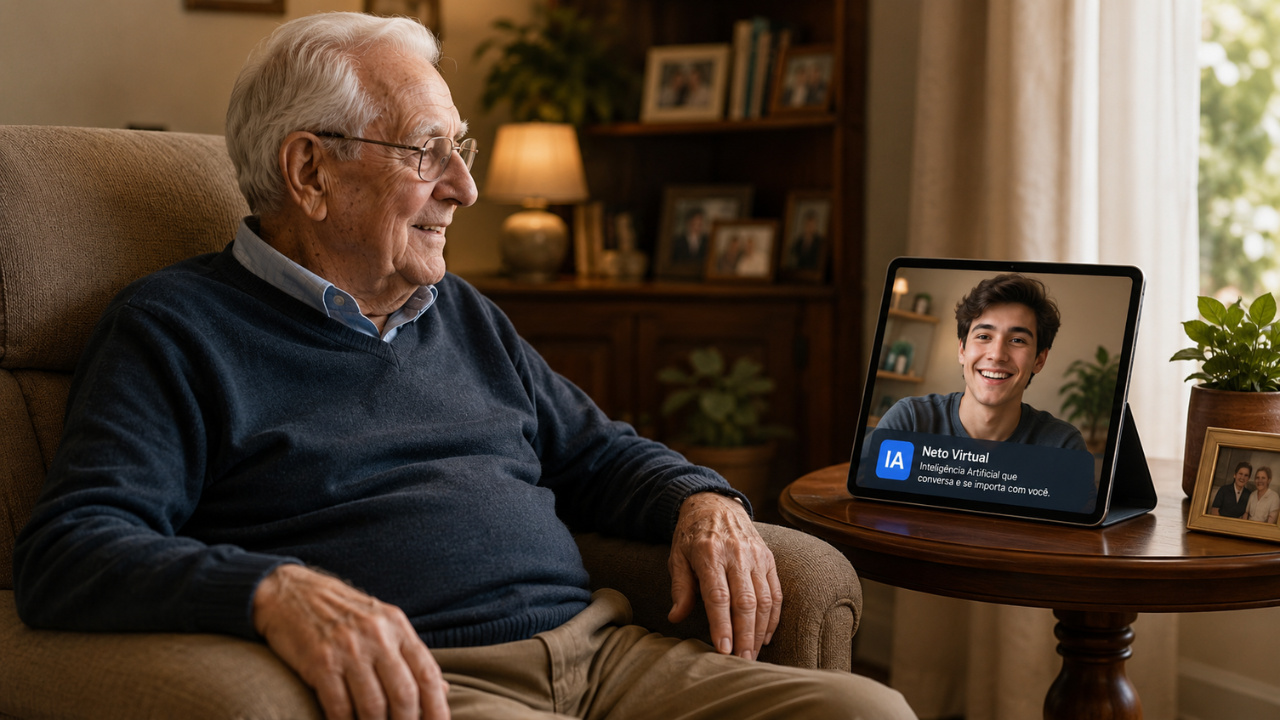
The Brazilian entrepreneur Basilio Carvalho developed a portable device with artificial intelligence that functions in a humanized way like a “grandchild” for the elderly, monitoring the daily routine of the elderly and issuing automatic medical alerts in real-time. The innovation, designed by the startup Tesatad, emerged in the state of São Paulo after the founder took care of his grandfather during the pandemic and realized the lack of continuous monitoring for elderly people living alone.
Operating through an interactive avatar on a device similar to a tablet, the technology proactively asks questions about diet and well-being to generate health histories for families. The project, which has already received $200,000 in investments, is undergoing global testing before its official market launch, scheduled for the second half of 2027.
A Grandchild for the Elderly: Global Tests and Market Goals for the Technology
The virtual assistant is currently in an advanced prototype stage and will undergo a series of practical evaluations lasting four months before its commercial debut.
-
AI Customizes Burgers for Individuals and Impresses in Blind Test with Over 100 Participants, Matching or Surpassing Fast-Food Chains’ Approval Ratings

-
AI Revolutionizes Digital Entrepreneurship by Enabling Lean Startups and Rapid Scaling

-
The ‘tsunami’ of investments directed at Artificial Intelligence (AI) and semiconductor companies, which prioritize security and more predictable profits, has been a determining factor in the declining trajectory of Bitcoin.

-
Samsung eyes strategic chip factory in South Korea and could shake up the global AI landscape with advancements in HBM memories and advanced packaging.


To obtain direct feedback on user experience, the startup has manufactured 20 experimental devices and divided them equally among four locations:
- Batch Division: Five devices will be sent to Brazil, five to Portugal, five to Ireland, and five to the Isle of Man.
- Nursing Phase: During the first eight weeks of the testing schedule, the portable equipment will be monitored and handled by professional nurses.
- Autonomous Phase: In the final eight weeks, the elderly in each country will use the device completely independently in their homes.
The progress of this experimental period also involves mandatory regulation with Anatel, as the hardware includes an integrated cellular chip that allows direct phone calls by the elderly.
The startup’s goal is to sell the first thousand units immediately after adjustments from this testing phase.
International Origin and the Startup Ecosystem
The idea to create the new device began to take shape in the year 2025, during Basilio Carvalho’s participation in the Web Summit Lisbon technology fair.

Upon hearing complaints from a nursing home owner about high staff turnover and visiting technology fairs in China the following week, the entrepreneur found an 11-kilogram device used in hotels and decided to adapt the concept to create a residential companionship support.
The tool was added as a complement to the longevity solutions portfolio of the startup Tesatad, which was already marketing other platforms in the market:
- Senior OS: An operating system specifically aimed at the management of long-term care institutions (ILPI).
- Angel: A home security system based on cameras and sensors dedicated to detecting and preventing falls in the elderly.
- Anna: The portable device focused on elderly individuals who live independently in their own homes.
The hardware that makes up the device is produced by a partner factory located in Shenzhen, China, while the development of all the software is conducted by the Tesatad team in Brazil, with no plans to nationalize the physical manufacturing of the parts.
Investments and Subscription Contract Terms
To expand the business activities and hire a permanent team, the startup’s founder is currently negotiating with Brazilian and international investment funds to close a pre-seed investment round estimated at US$ 1.4 million (approximately R$ 7.2 million).
This financial amount will be directed to scale the operation and manufacture a commercial batch of 1,400 units of the device.
When officially launched in the market in 2027, the startup’s technology will be sold under a monthly subscription model set at R$ 479. The adhesion term will require a minimum contractual loyalty of two years of permanence.
On the other hand, the company’s commercial guidelines ensure that family members can fully cancel the service plan without any penalty in cases of the elderly’s death or disability.
Avatar interaction and local data privacy
Unlike common virtual assistants that operate through text chats, the tool interacts exclusively through a humanized avatar with a camera and microphone. The software was trained to have proactive behavior, initiating conversations with residents throughout the day to gather important routine information.
The robot monitors daily life by asking direct questions if the elderly person is hungry, cold, or how many times they used the bathroom, structuring a clinical history that doctors and family members rarely manage to closely monitor.
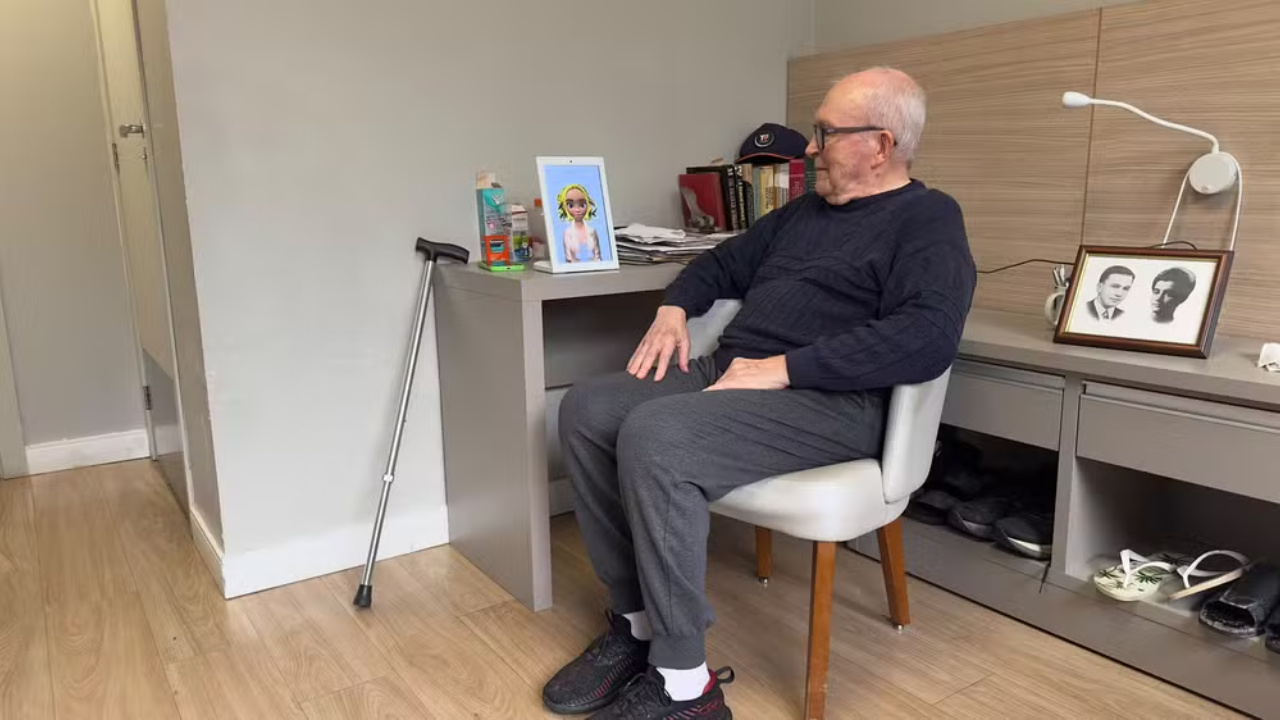
“Unlike traditional virtual assistants, Anna initiates conversations throughout the day. She will ask how many times the elderly person went to the bathroom, if they are cold or hungry, gathering information that doctors need to know about these patients’ routines,” explains Carvalho.
To ensure total confidentiality about the family routine and everything discussed in the home environment, the startup’s system does not perform cloud data processing. All captured information remains saved locally under encryption within the physical equipment itself.
With information from Revista PEGN