Portuguese
  Spanish



Pre-Salt Oil Fields Accounted for 73% (1.94 Million Barrels) of All Petrobras Production in the 2nd Quarter of 2022.
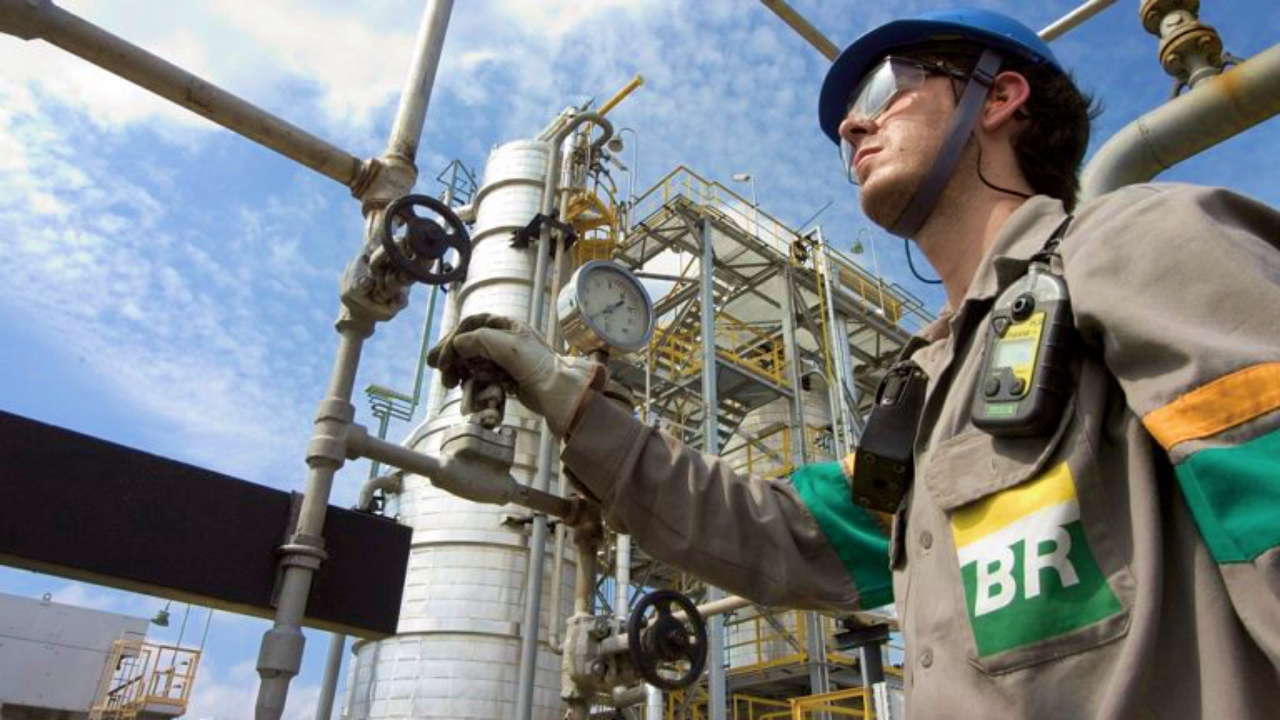
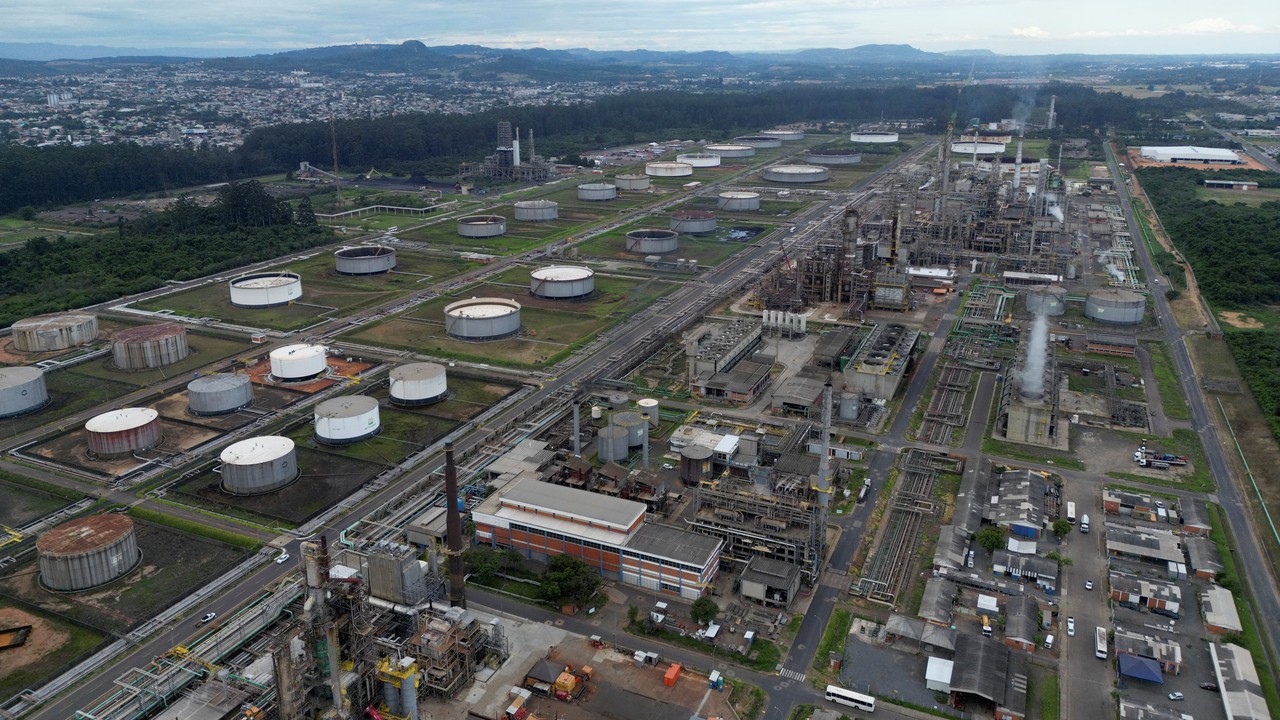
The Brazilian oil giant Petrobras highlighted the potential of its refineries in the Production and Sales Report for the 2nd Quarter of 2022, which operated at full capacity and reached a 97% Utilization Factor (UF) by the end of June.
According to the oil company, this UF was achieved after the completion of scheduled maintenance shutdowns at the Henrique Lage Refinery (REVAP) in São José dos Campos (SP) and the Duque de Caxias Refinery (REDUC) in Rio de Janeiro. Petrobras also stated that this performance allowed for greater yields of diesel, gasoline, and Jet A in the quarter, taking advantage of favorable market conditions, while meeting safety, environmental, and product quality requirements, and focusing on value generation.
According to the state-owned company’s report, the volume of derivative sales in the second quarter increased by 1% compared to the first quarter, and the volume of fuel production was 2.6% higher than in the same period last year.
-
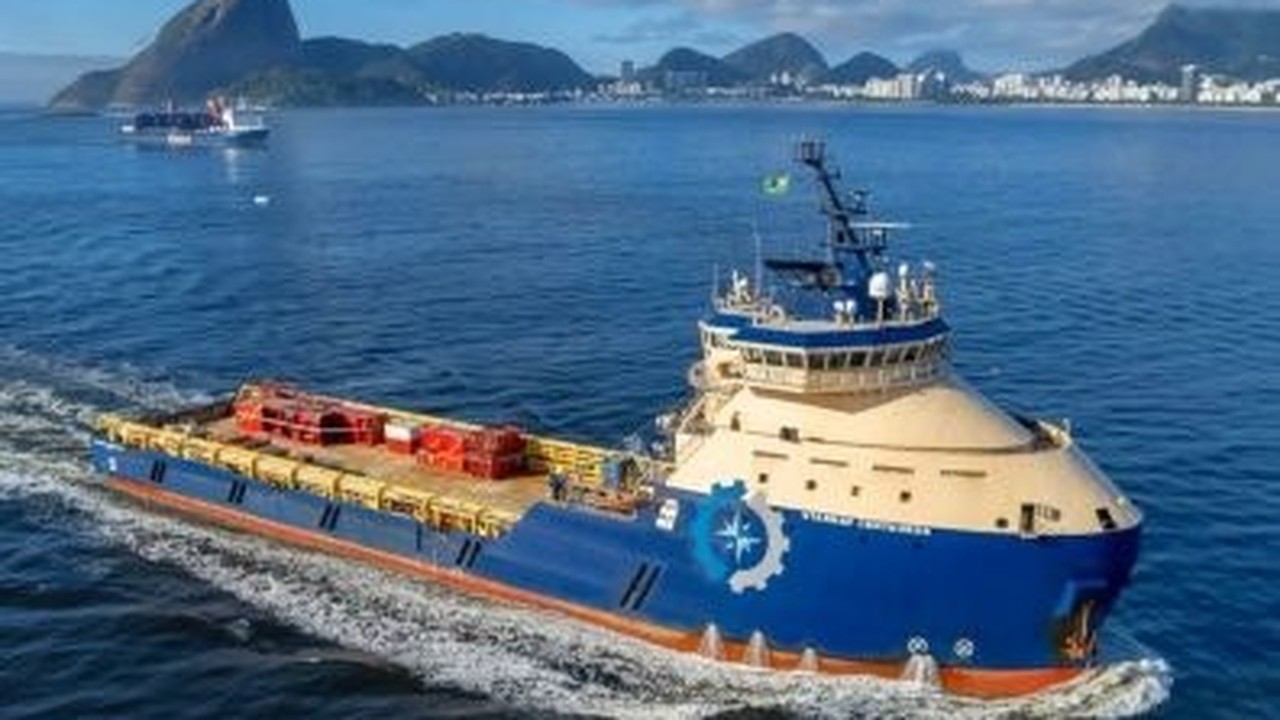
Starnav orders 10 hybrid vessels with German MTU engines in Itajaí and prepares fleet to serve Petrobras in the pre-salt for 12 years.

-
The Chamber releases R$ 10 billion to hold the price of diesel until December and proves that Brazilian fuel remains tied to Congress.
-
It’s official: Petrobras takes 75% of block 3 in São Tomé and Príncipe and debuts as an offshore operator outside South America.
-
With a record production of nearly 3 million barrels per day, Petrobras resumes importing diesel in July, highlighting the bottleneck in Brazilian refining.


Pre-Salt Represented 73% of Petrobras’ Total Capacity
The pre-salt oil fields stood out, accounting for 73% of all Petrobras production during the 2nd Quarter of 2022. They extracted 1.94 million barrels of oil equivalent per day (boed) between April and June.
According to Petrobras’ report, in the quarter, the average daily production of oil, LPG, and natural gas was 2.65 million barrels of oil equivalent, a figure 5.1% below that achieved in the previous quarter due to the commencement of the production-sharing contract for the surplus volumes of the Cessão Onerosa of Atapu and Sépia on May 2, reducing the company’s participation in these fields, along with an increased number of shutdowns for maintenance and interventions on pre-salt and post-salt platforms.
However, there was partial compensation with the start of production from the FPSO Guanabara (Mero field) on April 30, and the continued ramp-up production of the FPSOs Carioca (Sépia field) and P-68 (Berbigão and Sururu fields), located in the pre-salt of the Santos Basin.
The FPSO Carioca reached an average operated production of 155 thousand barrels of oil per day (bpd) in the quarter, and the P-68 reached full production capacity on June 21, allowing the unit to achieve 152 thousand bpd, with an average operated production of 130 thousand bpd for the quarter.
Petrobras stated that these effects were already anticipated and did not impact production expectations for 2022, set at 2.6 million boed, with a variation of 4% either way.