Portuguese
  Spanish


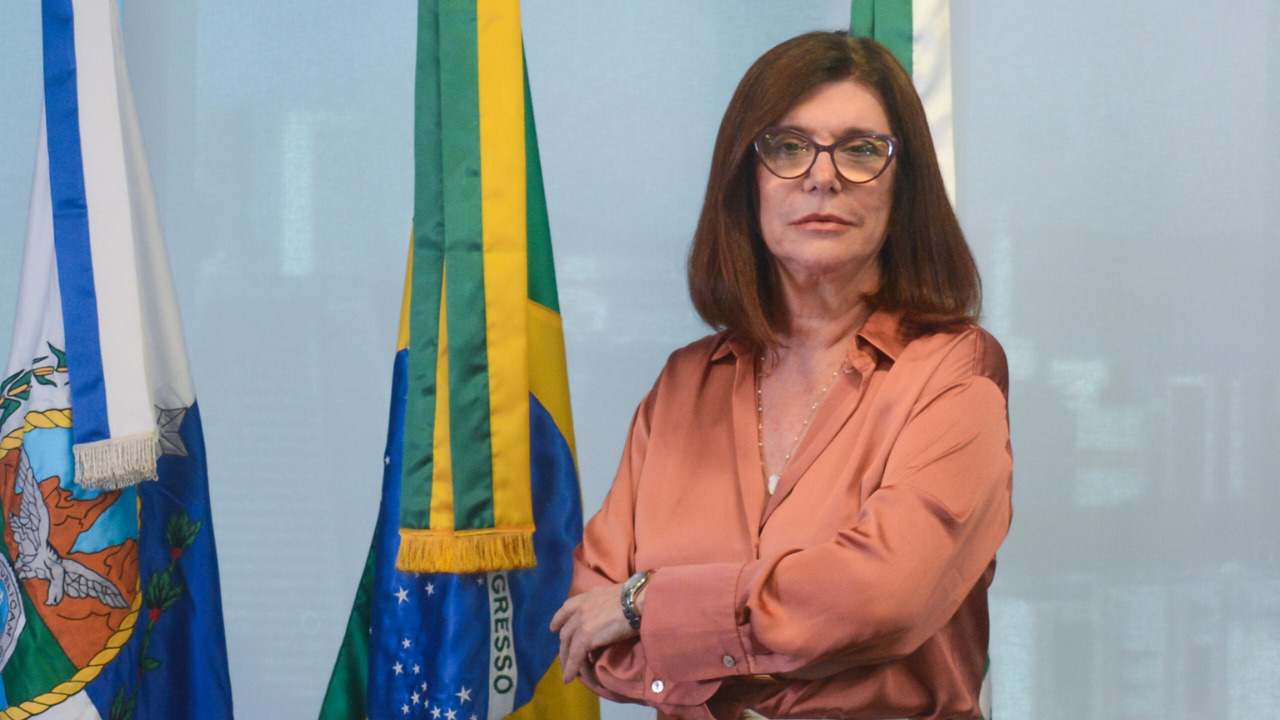

The CEO of Petrobras, Magda Chambriard, stated that oil production will continue to expand, despite international price pressure. Executive highlights efficiency, cost cuts, and advances in sustainability.
The Petrobras is preparing a new strategic cycle and, according to CEO Magda Chambriard, oil production will continue to rise. The executive noted that the company aims to increase results with lower costs while the international market pressures the entire sector chain.
The statements were made during her participation in the Eloos Project of Rádio Itatiaia, at a decisive moment for the company.
Petrobras Forecasts More Oil Despite The International Scenario
During the event, Chambriard was direct in stating that “oil production will continue to increase”. She explained that the state-owned company is working to deliver superior performance through expense reduction strategies and process restructuring.
-
São Paulo LNG Terminal Approved to Connect to Pipeline Network, Sparking Debate Over Larger Alternative Through Serra Route

-
Petrobras Explores Entry into Corn Ethanol Market, Aiming to Become a Biofuel Giant
-
Brazil’s $8.5 Billion Auction Secures New Power Plants to Prevent Peak Hour Energy Shortages
-
Why Gasoline Prices Remain Stable: How Petrobras’ Subsidies and Pricing Policies Control Fuel Costs in Brazil


Additionally, on the eve of the release of the multiannual investment plan, the CEO acknowledged that the lower price of the oil barrel in the international market requires changes not only from Petrobras but from all global oil companies. Thus, according to her, the entire sector faces a constant need for adaptation.
Operational Adjustments And Focus On Efficiency
In her speech, Chambriard emphasized that redesigning projects will be crucial for ensuring competitiveness. Therefore, the company intends to intensify actions such as internal optimization, more efficient agreements with suppliers, and cost cuts. These moves, as she highlighted, help sustain the increase in oil production even in times of economic pressure.
At the same time, the CEO addressed the environmental agenda. On the sidelines of the recently concluded COP30 discussions in Belém do Pará, she stated that she has “pride in launching derivatives with very low greenhouse gas emissions”. This reinforces that, while expanding its oil offerings, the state-owned company seeks to reconcile production expansion with climate responsibility.