






 Portuguese
  Spanish
  4 min of reading
  0 comments


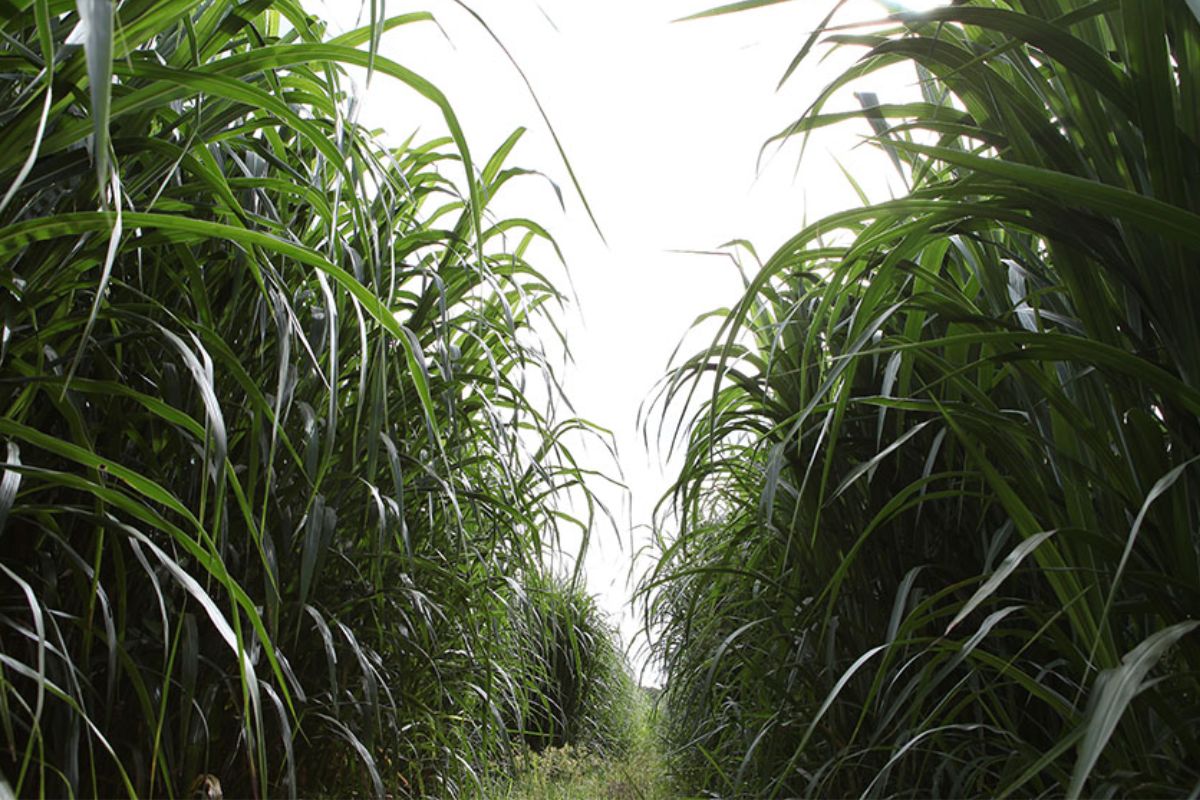
The Global Study on Elephant Grass Expands the Potential of Plant and Animal Production, Joining Genetics, Nutrition, Bioenergy, and Sustainability in Livestock and Agriculture
The plant and animal production enters a new phase with the revelation of a global study on the genetic sequencing of elephant grass, one of the most strategic plants for tropical livestock and renewable energy generation, according to a report published.
The research, led by the International Livestock Research Institute (ILRI) in partnership with Embrapa Gado de Leite (MG) and seven other international institutions, analyzed 450 genotypes collected in 18 countries.
The result was the identification of over 170 million genetic variations in the species’ DNA, a scientific milestone that expands knowledge about productivity, nutrition, and energy efficiency of the forage.
-
Low-Demand Brazilian Beef Offal Gains Popularity Abroad: Indonesia Purchases $19.5 Million, Boosting Revenue and Reducing Waste

-
Soy Expansion in Former Brazilian Savanna Sparks Water and Land Conflicts in Major Agricultural Frontier
-
Mexican Pest Threatens U.S. Cattle Herds at Historic Lows, Potentially Boosting Brazilian Beef Exports as Burger Prices Soar

-
Avocado Boom for European and U.S. Markets Fuels Water Crisis in Drought-Stricken Chilean Region


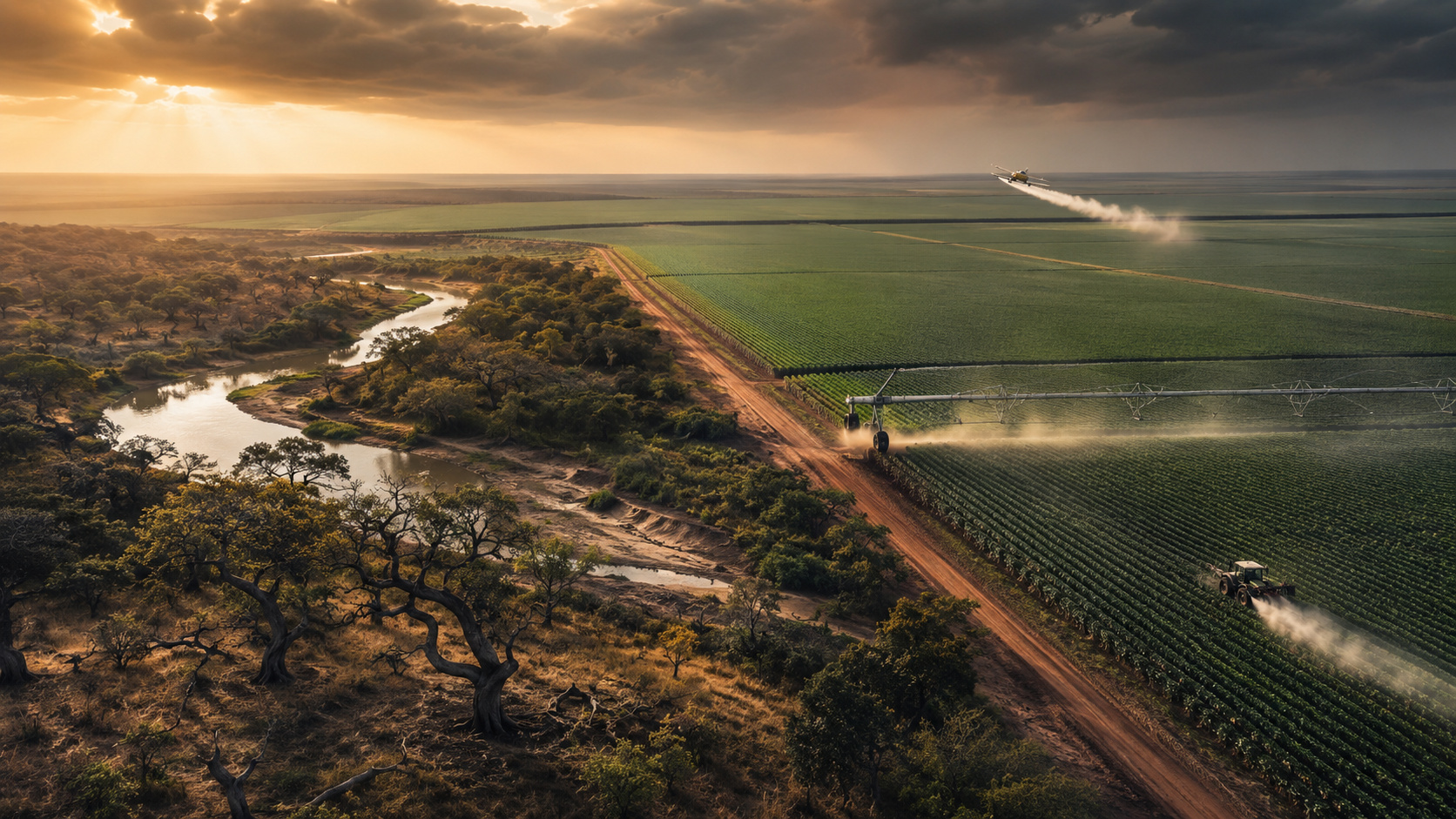


The discovery strengthens Brazil’s role in agricultural biotechnology and consolidates the importance of this grass for advancing sustainable agriculture.
The elephant grass (Cenchrus purpureus) is widely cultivated in tropical and subtropical regions due to its high growth and yield capacity.
In Brazil, it stands out with the BRS Capiaçu and BRS Kurumi cultivars, both developed by Embrapa. The former, tall, is aimed at producing silage and fodder in the trough, while the latter, shorter, is ideal for grazing.
The new genetic study provides the necessary foundations for enhancing these cultivars, allowing for the development of even more resilient, nutritious, and productive varieties, an essential leap for plant and animal production in tropical environments.
Genetic Sequencing of Elephant Grass and Its Impact on the Improvement of Tropical Forages
The results were published in the scientific journal G3: Genes|Genomes|Genetics. The mapping revealed regions of DNA known as QTLs (Quantitative Trait Loci), associated with characteristics such as biomass production, nitrogen content, and cellulose concentration.
According to Embrapa researcher Jorge Fernando Pereira, the study offers a unique insight into the genetic diversity of the species, allowing for the identification of genes directly linked to the productivity and nutritional value of the plant.
The discovery paves the way for faster and more precise breeding programs, resulting in cultivars with higher yield and better adaptation to climate change.
This information also helps reduce the use of chemical inputs, making cultivation more sustainable and economical.
With the application of these technologies, plant and animal production becomes more efficient and aligned with environmental demands, strengthening the balance between productivity and conservation.
Sustainable Agricultural Biotechnology and New Frontiers of Bioenergy
In addition to its importance in livestock, elephant grass stands out as a relevant source of clean energy.
According to Embrapa researcher Juarez Campolina Machado, the grass has high biomass production and low management costs, making it ideal for generating thermal energy, electricity, and biofuels.
It can be used in direct combustion in boilers, transformed into cellulosic ethanol, or converted, through gasification and pyrolysis, into biogas, biometane, bio-oil, and biochar.
This versatility places the plant at the center of the energy transition, bridging the gap between agriculture and industry and creating new opportunities for rural producers.
These applications reinforce how the integration of biotechnology and sustainability has transformed plant and animal production, connecting the Brazilian agribusiness to global emissions reduction goals and rational use of natural resources.
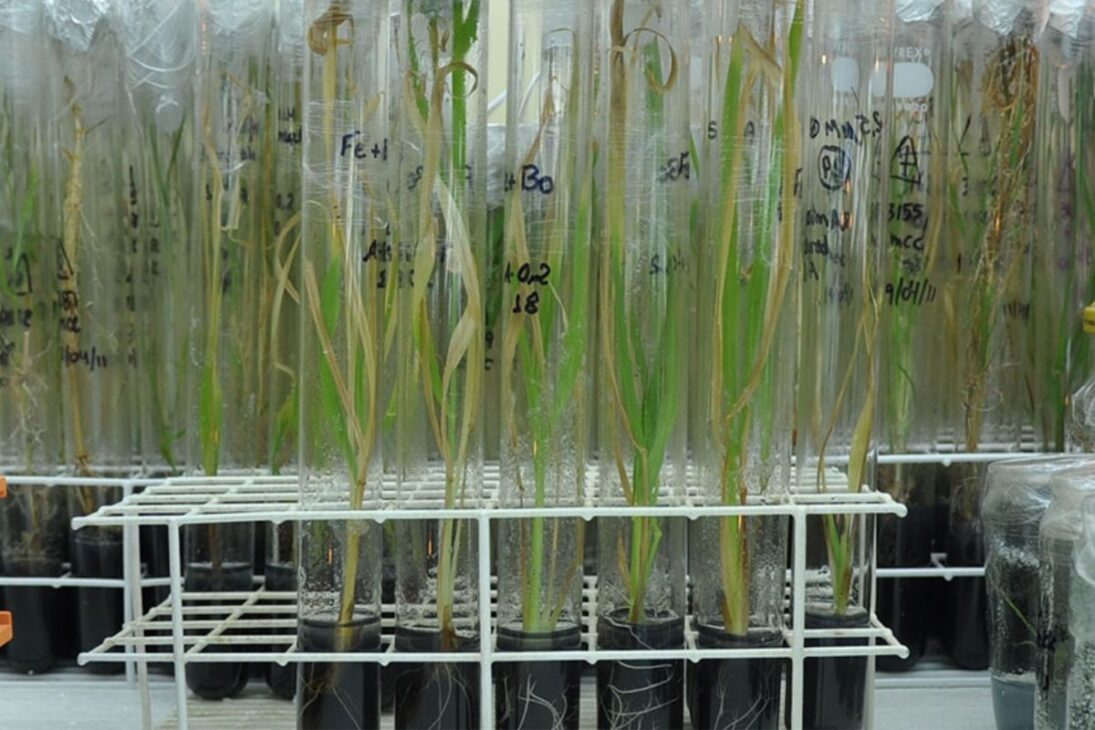
Varieties of Embrapa BRS Capiaçu and Kurumi and the Advancement of Gene Editing Research
Embrapa researcher Ana Luisa Sousa Azevedo highlights that genetic sequencing enables the identification of specific molecular markers, essential for applying gene editing tools in the improvement of cultivars.
Mastery over the genome of elephant grass allows for the creation of plants with higher productivity, better quality, and greater resistance to stresses such as drought and low fertility soils.
The project, initiated in 2020, utilized germplasm banks maintained by institutions from three continents, such as ILRI, Embrapa, USDA, Lanzhou University (China), and Kenya Agricultural and Livestock Research Organization.
The research resulted in a global collection of genotypes that will serve as a basis for future studies in biotechnology, bioenergy, and applied genetics.
This genetic database represents a leap in the development of cultivars adapted to the tropical climate, enhancing the competitiveness and sustainability of plant and animal production in Brazil and other producing countries.
By integrating science, technology, and fieldwork, the sequencing of elephant grass demonstrates the power of collaborative research in transforming agribusiness.
The genetic advancement of the forage strengthens Brazil’s role as a leader in agricultural innovation and ensures rural producers access to more productive, economical, and sustainable solutions.





Be the first to react!