Portuguese
  Spanish


Brazilian Soybean Under the US Microscope: Producers Demand Investigation for Subsidies and Accuse Brazil of Dominating Markets with Unbeatable Prices.
The relationship between Brazil and the United States in agribusiness, marked by cooperation and rivalry, entered a new chapter in 2025. After months of tension involving tariffs on beef, it is now the Brazilian soybean that has come under direct political pressure in Washington.
The American Soybean Association (ASA), the body that represents American producers, formally requested an investigation by the US government against Brazil, claiming that subsidies granted to the agricultural sector distort global competition. For American soybean farmers, the outcome is clear: Brazil is managing to offer unbeatable prices in the international market, expanding its share at the expense of US losses in strategic markets, such as China.
Brazil’s Size in the Global Market
Today, Brazil is the largest soybean exporter in the world, a position cemented in recent years thanks to successive harvest records.
-
U.S. Women’s History Museum Stalled in Congress Amid Gender Identity and Diversity Debate

-
European Parliament Approves Digital Euro, Aiming to Challenge Visa and Mastercard’s Dominance and Transform Payments Across Europe by 2029
-
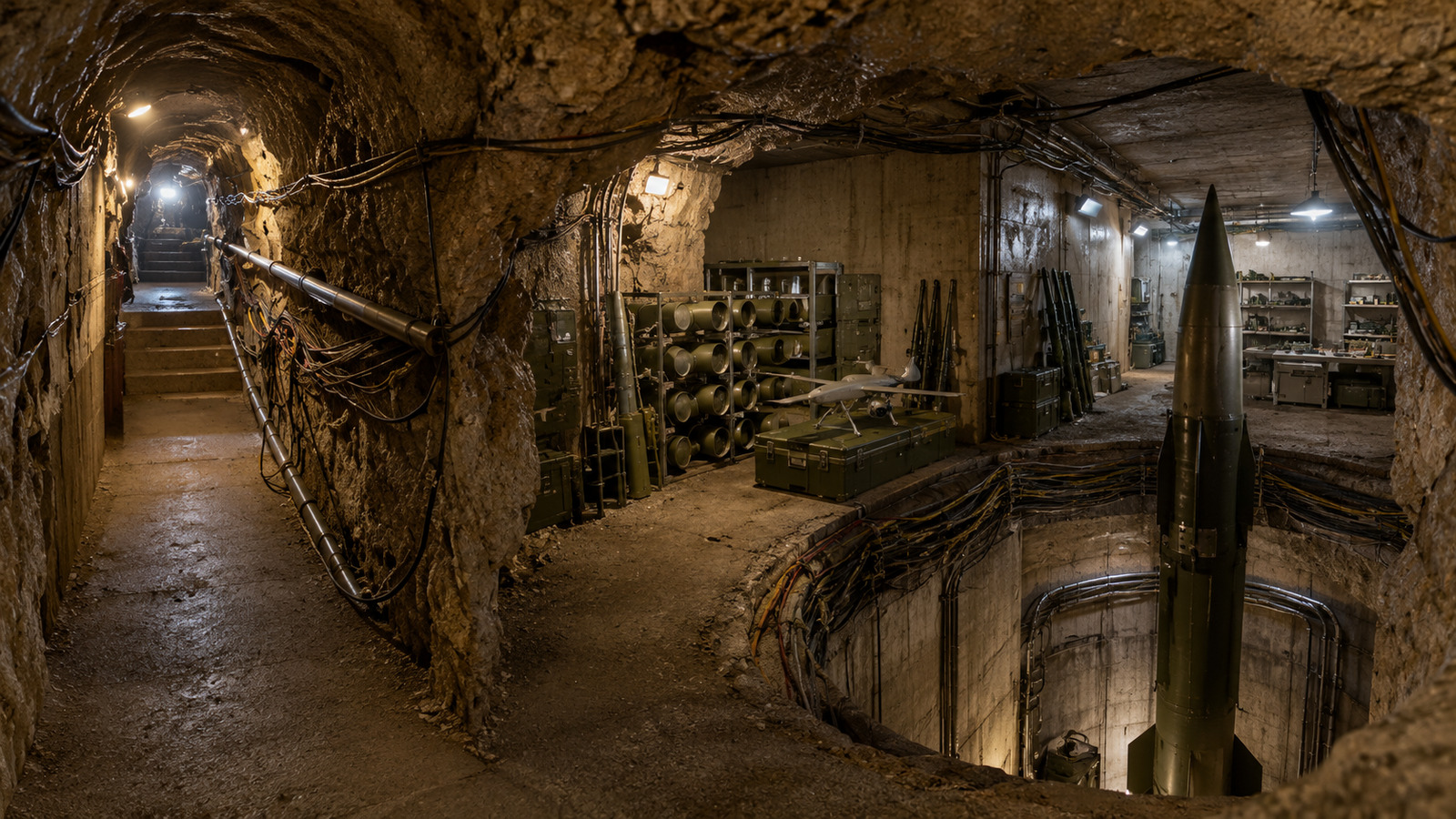
Israel finds Hezbollah militarized tunnel over 200 meters long under village, with 4 missile launch shafts, 12 chambers, anti-tank missiles, drones, and weapons depots at a depth of 25 meters.

-
Ukraine launches largest drone attack on Moscow since 2022, Russia claims to have intercepted nearly 200 aircraft near the capital, Kapotnya refinery targeted again, and offensive reignites alert about war reaching the Russian energy heart just a few kilometers from the Kremlin.



In 2024, Brazilian exports surpassed 100 million tons, generating over US$ 50 billion in foreign currency revenue.
A large portion of this volume is destined for China, the main global buyer of the commodity. But Brazil has also made progress in other markets, such as the European Union, Mexico, Egypt, and Southeast Asian countries.
This expansion has positioned Brazilian agribusiness as a central element in the balance of global agricultural trade.
The Argument of American Producers
US producers argue that the Brazilian government adopts policies that, directly or indirectly, function as subsidies to the sector. Among the points highlighted by the ASA are:
- Subsidized rural credit lines, with interest rates below those practiced in the market;
- Public investments in logistics infrastructure, such as roads, railways, and ports dedicated to crop transportation;
- Regional tax incentives, especially in the Midwest, which reduce the final production cost;
- Government support for rural insurance and storage programs.
For American soybean farmers, these measures constitute unfair trade practices, as they allow Brazil to offer grains at more competitive prices than those produced in the US, even when internal costs are similar.
The Pressure on Washington
The ASA’s offensive gained momentum in July 2025, when the USTR (United States Trade Representative) opened public consultations and hearings to analyze Brazilian practices in the agricultural sector.
Leaders of the American rural lobby advocated that the government adopt trade retaliation measures, which may include new tariffs or even import restrictions.
In a recent statement, Caleb Ragland, president of the ASA, stated: “Brazilian soybeans are taking over traditional US markets. Brazil plays by different rules, and this directly harms our producers. The government needs to act urgently.”
The Impact on Bilateral Relations
The movement escalates the tension in the already delicate trade relationship between the two countries. Brazil, in turn, argues that its credit and agricultural support policies are consistent with World Trade Organization (WTO) rules, which allow agricultural subsidies as long as they are not classified as direct export distortions.
The Itamaraty and the Ministry of Agriculture have sought diplomatic dialogue, arguing that unilateral measures by the US would violate WTO principles. However, in light of domestic political pressure, Washington may intensify investigations and adopt containment measures as early as 2025.
Experts Analyze the Case
According to agricultural economist Marcos Jank, a professor at Insper, “Brazil has built its soybean competitiveness on productivity, scale, and logistics. The US views this as a subsidy, but in reality, it is a structural advantage that is unlikely to be contested at the WTO.”
Meanwhile, international trade lawyer Tatiana Prazeres points out that “the pressure from the ASA also has political motivations. In an election year, American agricultural sectors tend to gain strength in Congress and the Executive, and targeting Brazil is part of that game.”
The Consequences for Brazilian Agribusiness
If the US progresses with restrictive measures, the impacts could be significant:
- Loss of market share in secondary markets that currently depend on trading through American traders;
- Increase in export costs due to additional tariffs;
- Reinforcement of dependence on China, increasing risks in case of geopolitical tensions;
- Pressure for market diversification, seeking new destinations in Asia, the Middle East, and Africa.
On the other hand, experts remind us that Brazil has established a robust trade network, and American sanctions could merely redirect part of production without completely compromising export volumes.
A Dispute That Could Redefine the Global Board
Soybeans are more than a commodity: they are a strategic pillar of the Brazilian economy and one of the most sensitive points in trade relations with the United States.
The pressure from the ASA, combined with the hearings conducted by the USTR, shows that the dispute goes beyond economics, reflecting also political and geopolitical issues.
Brazil, on one side, defends the legitimacy of its agricultural policies. The US, on the other hand, seeks to protect its producers in the face of the rise of the South American competitor.
The result is a dispute that could shape the future of international agricultural trade and places Brazilian soybeans at the center of global negotiations.