Portuguese
  Spanish



If You Have a High School, Technical, or Higher Education, Know That There Is a Job Market in the Offshore Oil Industry for You. Learn About the Main Professions in This Sector
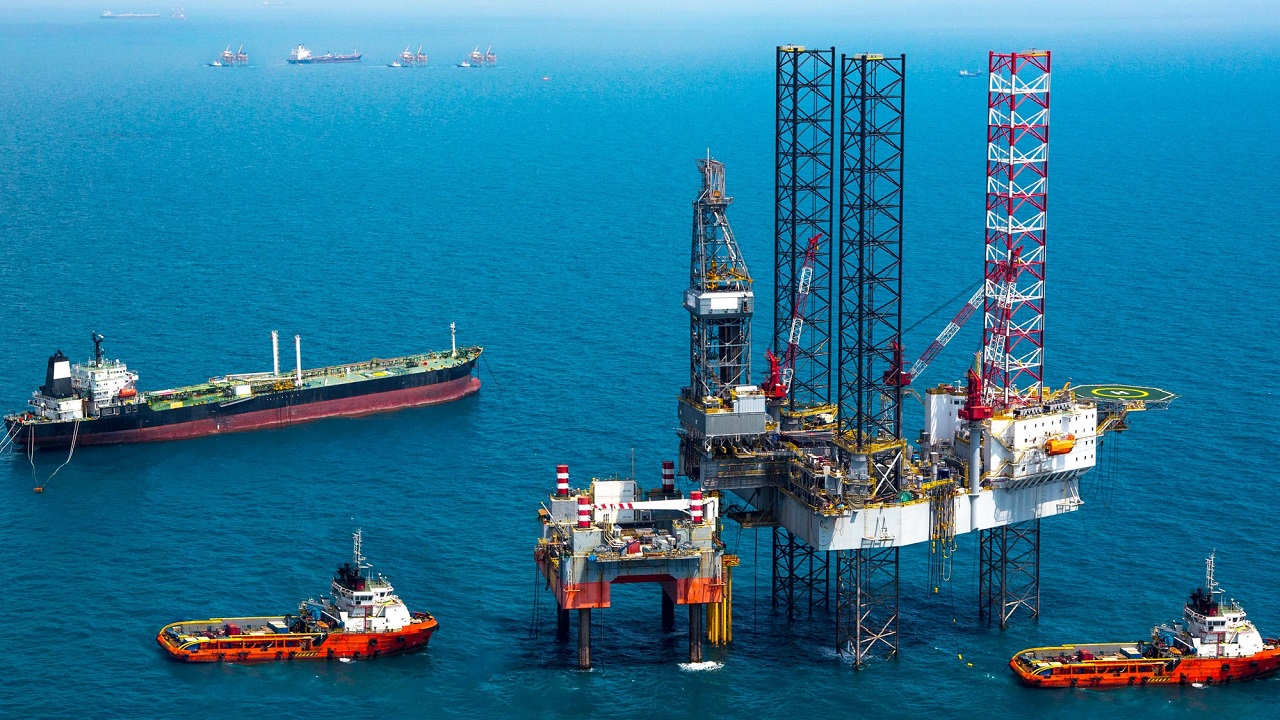
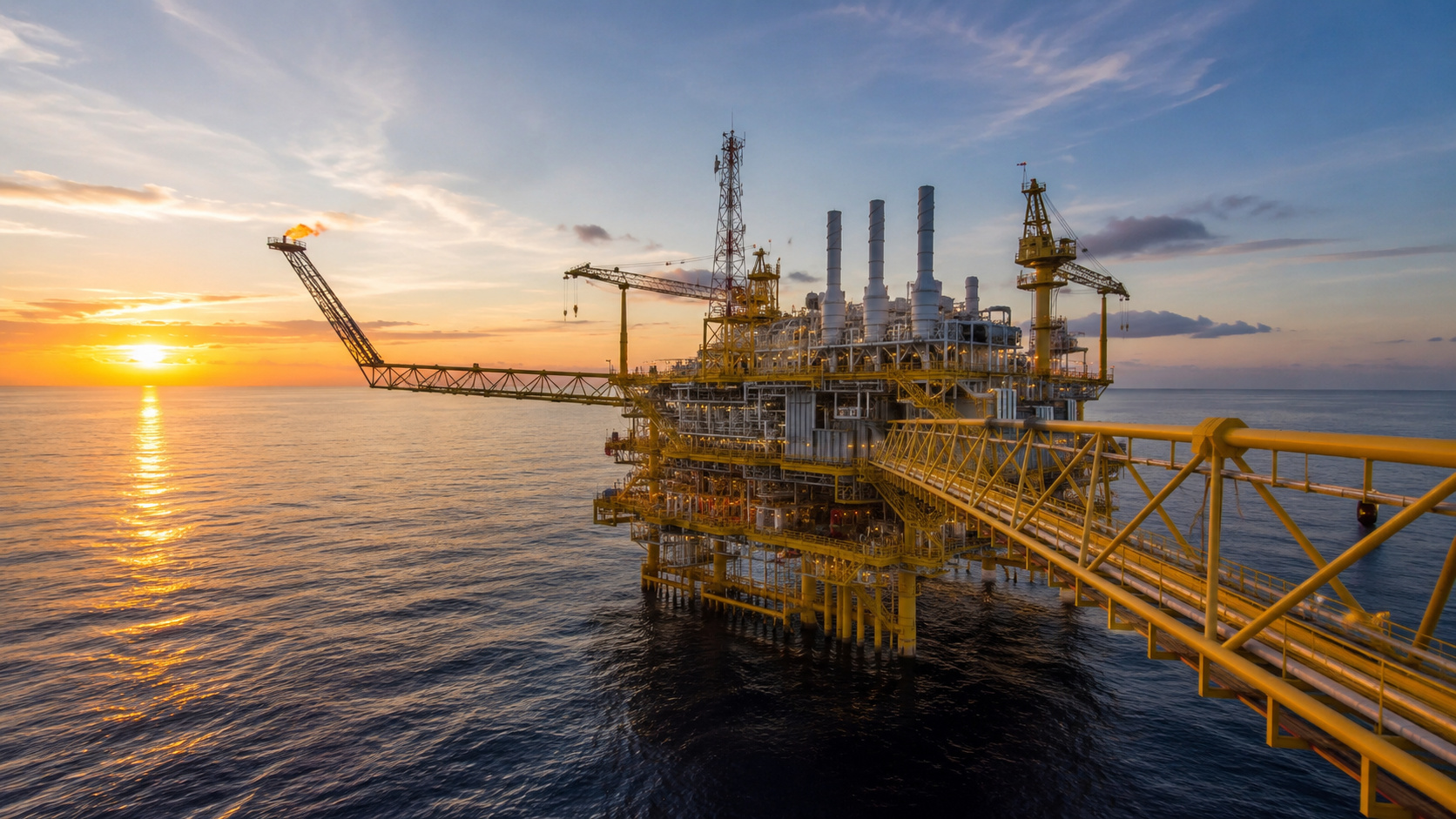
Working offshore is an excellent opportunity. There are numerous professions in the sector, and their structures manage to bring together various departments. The offshore sector has several platforms that involve employees from a variety of fields performing diverse professions. Its appearance resembles that of a city.
Their structures can bring together several departments. Among them are management, medical, kitchen, radio, maritime, drilling, and maintenance, among others.
Want To Know How To Work Offshore? It takes various professionals to extract oil in these structures. Learn about some of the professions of these people below:
-
Petrobras to Double Natural Gas Supply in Northeastern Brazil with New Investment

-
Petrobras Approves $1.2 Billion Refinery in Brazil to Produce Aviation Fuel and Diesel from Plants
-
Petrobras Secures $2.2 Billion Contract to Build and Operate Four Support Vessels for Brazil’s Offshore Oil Fields
-
Oil production grows in Rio, but reserve replacement raises a warning sign


Administration
These professionals are responsible for the management and safety of the platform’s equipment and personnel. Some of these professions include: safety officer, radio operator, IT technician, cook, nutritionist, steward, and nurse.
Support Vessels
Support vessels require several employees who work on support ships, as well as tugs, generally maritime. Some of them include: captain, deckhand, chief engineer, mechanic, electrician, crane operator, pump operator, and diver.
Maintenance
Here we are talking about the team responsible for the maintenance and repair of drilling machines and equipment on board. Meet some of these professionals: chief engineer, mechanical supervisor, electrical technician (electrician), painter, and welder.
Maritime
In this context, employees with maritime experience are needed to face sea conditions, dock with other vessels, and adjust the platform’s positioning. Find out who they might be: master, nautical officer, DP operator – Dynamic Positioning, control room operator, crane operator, and crane assistant.
Drilling
Drilling professionals are responsible for all work related to drilling operations, from surveying to controlling the drilling operation. These professionals are also in charge of all submerged operations.
Among them are: petroleum engineer, geologist, geophysicist, driller, roughneck, platform worker, crane operators, cargo handling foreman, welder, and boilermaker, ROV operator, and scaffold assembler.
Video: Directly from the Oil Platform


Would You Adapt to This Life?
But have you ever stopped to think if you are really willing to have a life in the offshore sector? Contrary to what many think, life offshore is not as easy as it seems.
First of all, you cannot be afraid of flying. Certainly, the first experience in a helicopter may be somewhat tense the first few times. Generally, the work schedule for those who work in this segment is 15 days on board with 12-hour shifts and 15 days off.
Some people do not adapt to being confined on a floating iron island, where there is only the endless horizon of the sea and far from family. For those who work on vessels in the naval sector, these periods can exceed 28 days.
Undoubtedly, these professions can be quite challenging, and it’s up to you to know before deciding whether to pursue them or not.