Portuguese
  Spanish


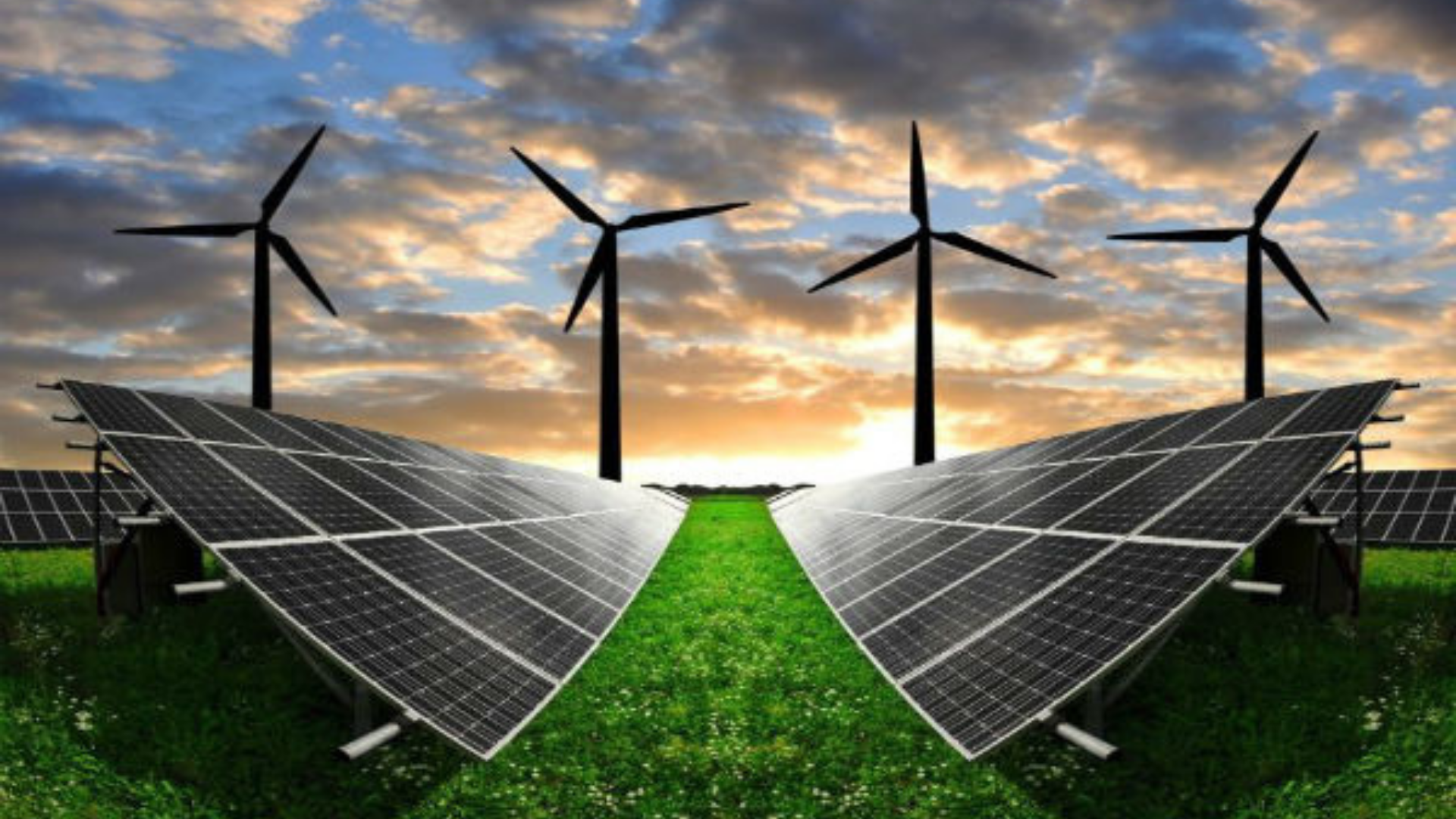

In Minas Gerais, The Amount Announced From 2019 To August In Renewable Energy Projects, Mainly Solar And Wind, Exceeds R$ 52 Billion
According to data released by the Agency for Promotion of Investment and Foreign Trade of Minas Gerais (Indi), from 2019 to August, the amount of projects related to renewable energy (mainly solar and wind) announced in the state of Minas Gerais exceeded investments of R$ 52 billion. In total, there are 40 enterprises expected to generate more than 6,000 jobs in the state. Also read this news: Government of Minas Gerais and EMGD Sign Agreement for the Inauguration of Five Solar Energy Generation Plants
- Wind Farm Campo Largo 2 Operates 100% and ENGIE Reaches 1.26 GW of Installed Capacity in Wind Power in Brazil
- Minister Visits Pampo Exploration Platform in Campos and Thermoelectric Plant in Macaé to Bring Oil And Natural Gas Investments to RJ
- Nubank Opens Applications to Train and Form Programmers in Salvador
- Government Does Not Want to Punish Those Who Save Energy and Will Provide R$ 0.50 Discount Per kWh for Those Who Reduce Energy Consumption by 10% to 20%
- Assembly Helper, Boilermaker, Welder, and Turner Are Called for Job Openings in São Paulo
Some Renewable Energy Projects in the State of Minas Gerais
The steel group Gerdau recently reported that part of its plan to invest R$ 6 billion in Minas Gerais over the next five years will prioritize renewable energy projects in all the regions where it operates in the state. Shell Brasil and Gerdau have closed a cooperation partnership to invest in a solar power plant in the municipality of Brasilândia de Minas. The plant, named Aquarii, will have an installed capacity of 190 MW and will supply part of the sustainable energy to the free energy market, through Shell’s energy trading company, and another part for Gerdau’s steel production units starting in 2024.
Solatio Energia Livre, a joint venture formed by the Spanish Solatio and the Minas Gerais-based CMU, announced an investment of R$ 1 billion in distributed solar energy to serve residential and small commercial establishments. By 2023, according to both companies, R$ 20 billion is expected to be invested in large-scale photovoltaic plants that will supply energy to distributors and high-consumption customers, such as shopping centers and industries.
-
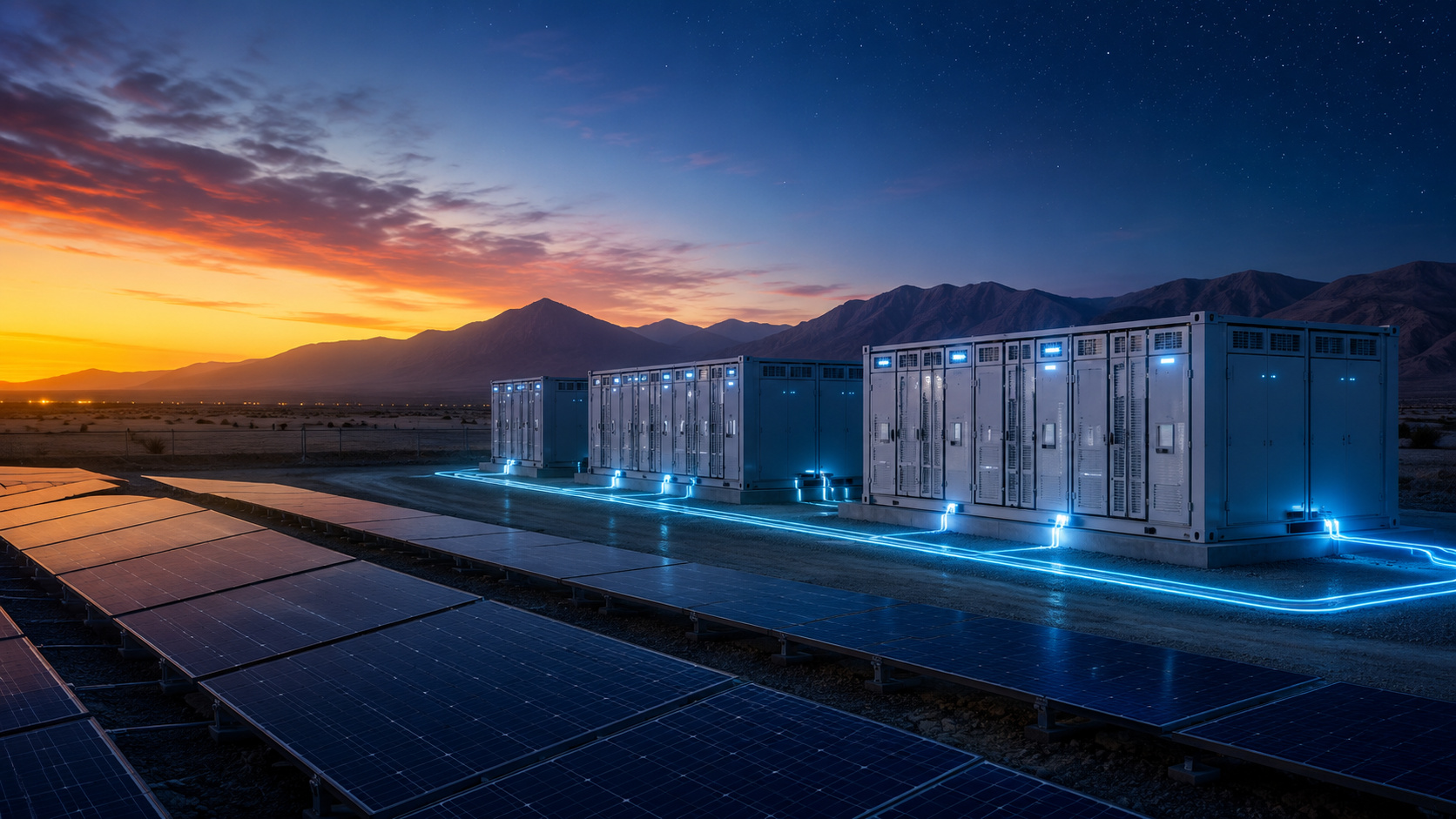
Giant Batteries Take Center Stage in Chile Auction as Company Offers 960 GWh of Solar Energy for Nighttime Use, Aiming to Stabilize Solar Power Supply

-
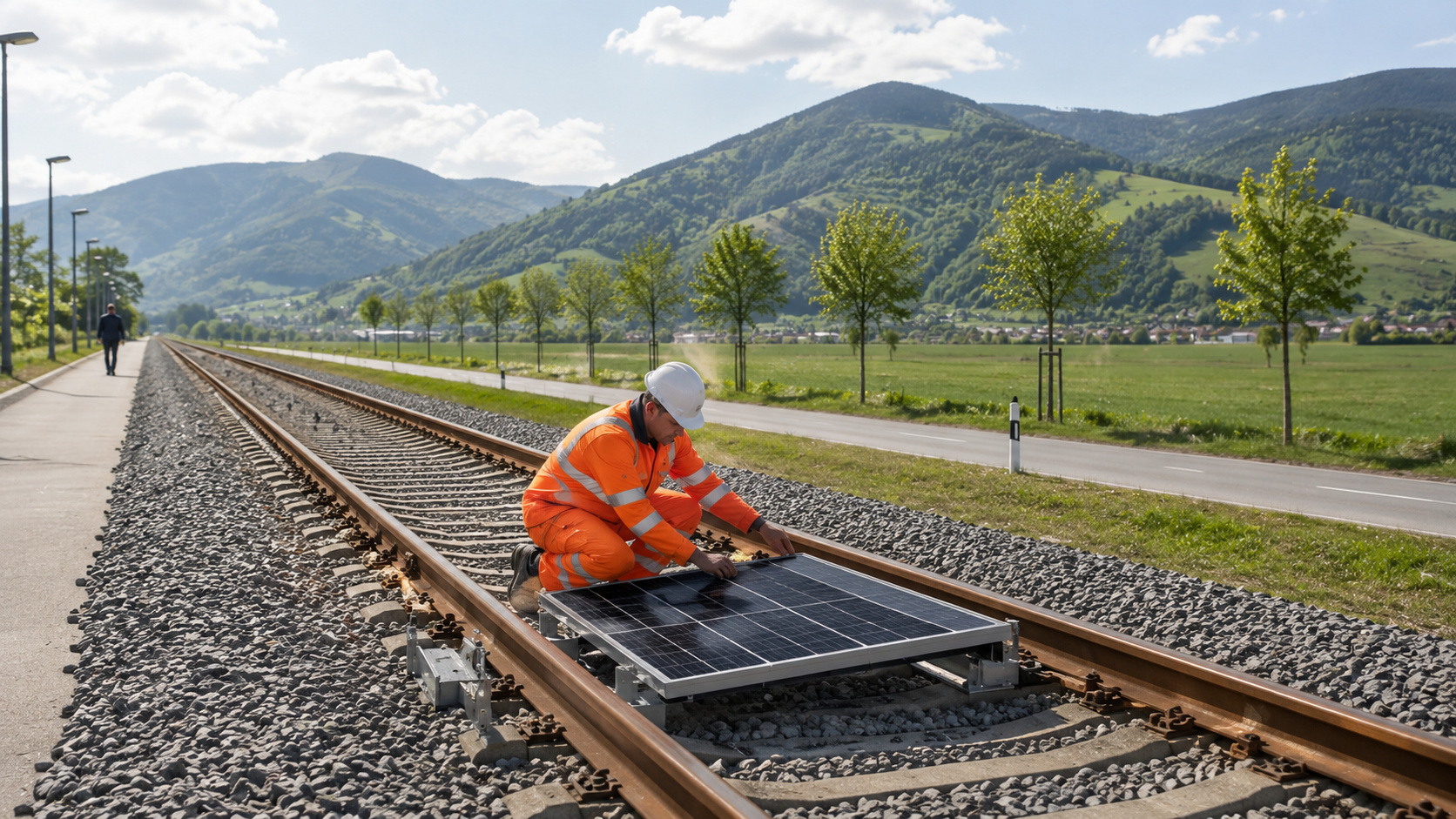
After a Year of Success in Switzerland, Solar Railway Attracts Italy’s Interest for Clean Energy Transformation
-
Robots Clean Solar Panels in Desert Power Plants Without Water, Preventing Energy Losses
-
Brazil’s Offshore Wind Energy Potential Worth $1 Trillion Stalled by Long-Delayed Agreement



The State Reached the Mark of Highest Solar Power in Distributed Generation
According to a survey released by the Brazilian Association of Solar and Photovoltaic Energy – Absolar, the state of Minas Gerais has 938.1 megawatts installed of solar energy power in distributed generation. The state has 80,160 systems operating in 841 cities, serving approximately 110,520 consumers. With this mark, Minas Gerais leads the ranking of states with distributed solar energy in Brazil.
Only the territory of the state of Minas Gerais accounts for 18.1% of distributed solar energy in Brazil, with 81,684 operational connections spread across 841 cities, accounting for approximately 98.6% of the 853 cities in the state. There are about 112,545 solar energy consumers who have reduced their electricity bills and have greater autonomy and energy security. The city of Uberlândia, located in the Minas Triangle, is a highlight of the research, ranking first in distributed solar energy generation in the state, operating 53.5 MW and accounting for 1.1% of the national total production of the model.
Bruno Catta Preta, national coordinator of ABSOLAR in Minas Gerais, stated that the state of Minas Gerais is now an important hub for solar energy development in distributed generation. Bruno also mentioned that the technology of using solar energy brings sustainable development to the residents of Minas Gerais, having great potential for economic and social development, as well as creating job and income opportunities, attracting private investment and cooperating in combating climate change.