Portuguese
  Spanish


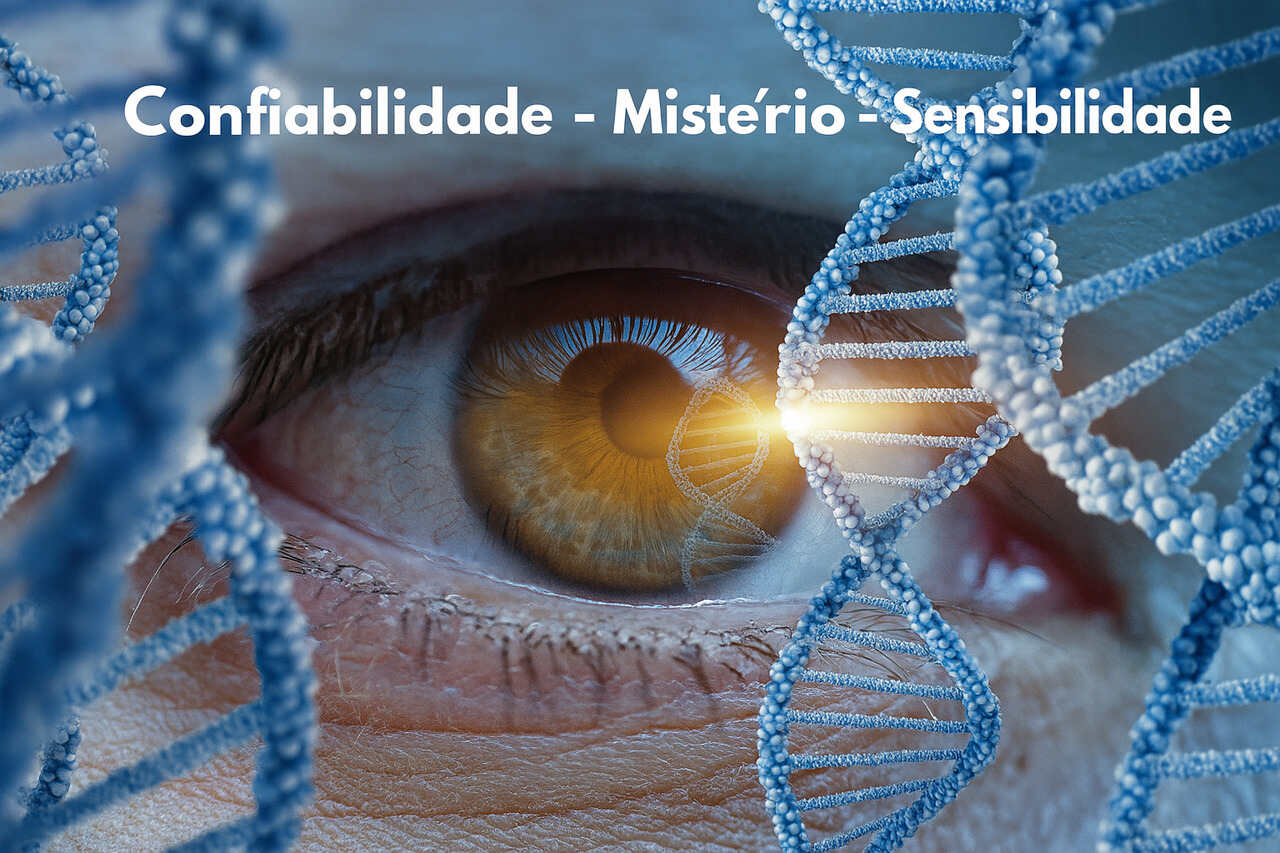

Science Reveals How Eye Color Influences Social Perceptions and Is Associated with Traits Like Trustworthiness, Mystery, and Sensitivity
Eye color has always drawn attention. In different cultures, it has been associated with luck, personality, and even supernatural powers. But what does science have to say about it? Recent research in psychology and genetics shows that there is indeed a connection between eye color and certain traits perceived in people.
The explanation lies in the combination of biology and social perception. And although science warns against exaggeration, studies show interesting patterns that spark everyone’s curiosity.
How Is Eye Color Formed?
Eye color is determined by genetic factors. Genes like OCA2 and HERC2 influence the amount of melanin in the iris. The more melanin, the darker the eye. That’s why brown eyes are the most common.
-
Brazilian Students Develop Process to Turn Styrofoam Waste into Water-Purifying Charcoal

-
Study Warns: Wi-Fi Routers Can Act as Invisible Radars, Identifying People with 99.5% Accuracy Without Cameras or Wearable Devices

-
Brazilian Researchers Develop Cost-Effective Method for Key Component of Green Hydrogen Electrolyzers, Enhancing Energy Efficiency and Equipment Longevity

-
1,700-Year-Old Roman Mosaic Discovered by Farmer Planting Cherry Trees in Turkey





Interestingly, every human being is born with light-colored eyes. The definitive color appears in the first years of life, as melanin accumulates. Factors like lighting also interfere with how color is perceived.
This blend of genetics and environment makes the topic even more intriguing. After all, two eyes are never exactly alike.
Brown Eyes: Human Warmth and Trustworthiness
People with brown eyes tend to be seen as trustworthy and approachable. A study published in the journal Personality and Individual Differences showed that these individuals convey more human warmth.
This perception may relate to the fact that brown eyes are the most common in the world. It’s estimated that around 55% of the global population has this color. Moreover, the high amount of melanin offers better protection against sunlight.
In countries like Brazil, where brown eyes are the majority, this color is also often linked to expressiveness.
Blue Eyes: Sensitivity and Introspection
Blue eyes can convey sensitivity. A study from the University of Pittsburgh found that people with light eyes are more sensitive to light, which can influence their emotional state.
Blue eyes are rare. Only about 8% to 10% of the global population has them. Perhaps that’s why they are often romanticized and associated with calm and introspection.
However, experts remind us that not everything can be explained by color. Personality traits depend on many other factors.
Green Eyes: Creativity and Mystery
Green eyes are among the rarest in the world, with only 2% of the population possessing them. A study from Charles University in Prague indicated that people with this color are seen as more creative.
The green color arises from a particular mixture of melanin and light scattering. This causes the shades to vary widely, from emerald to grayish. This variation may reinforce the perception of mystery and originality.
Other colors like gray, amber, or even heterochromia (eyes of different colors) also attract attention. Heterochromia, for example, can be caused by genetic mutations or specific conditions.
People with these characteristics are often perceived as striking. In Brazil, with its genetic diversity, these colors generate even more interest.
Why Do We Care So Much About Eye Color?
Eye color captures so much attention because we seek to understand others based on what we see. Psychology suggests that we associate appearance with personality traits to facilitate our relationships.
This idea also spreads across social networks. Tests about eye color and personality are popular on Instagram and TikTok. Even without absolute scientific validity, they keep interest alive.
As science continues to investigate, eye color remains a topic that blends curiosity, identity, and a touch of magic.
With information from Correio Brasiliense.