






 Portuguese
  Spanish
  3 min of reading
  0 comments


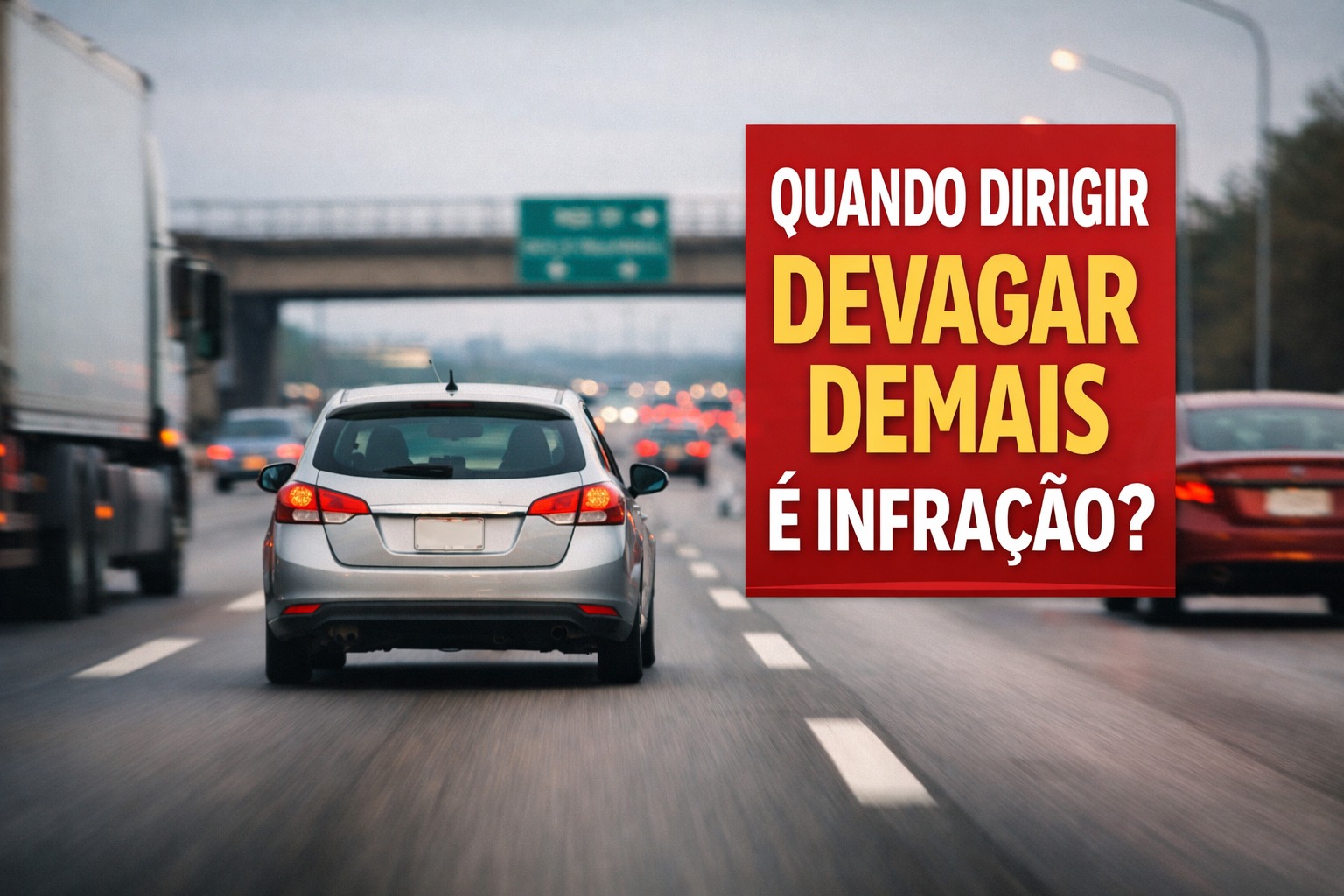
Understand When Driving Too Slowly Becomes an Infraction, How the Law Defines Incompatible Speed, In Which Situations There Is Tolerance, Impacts on Road Safety, and What Precautions Help Drivers Avoid Fines and Points
Driving too slowly, without technical or safety necessity, is a conduct outlined in the Brazilian Traffic Code as a medium infraction, with fines and points, as it compromises fluidity, increases risks, and affects road safety.
The Brazilian Traffic Code establishes minimum and maximum limits to ensure safe and predictable circulation, avoiding excessive speed differences that favor accidents and dangerous maneuvers.
According to the legislation, driving significantly below the regulated limit, without valid justification, is considered a medium infraction when it impairs the normal flow of vehicles.
-
Ferrari sees more than $4 billion evaporate after unveiling its first 100% electric car priced at $640,000, with investors questioning if the Luce still looks like a Ferrari.

-
GAC launches “Chinese hybrid Kombi” with 7 seats cheaper than Tiggo 8 Pro Plug-in Hybrid in Brazil; for around R$ 177,000 in conversion without taxes, the Trumpchi E8 PHEV has a 2.0 engine, DHT transmission, an electric range of 150 km, and a premium family cabin for those living in China.

-
Electric and hybrid cars receive flood warnings: brands limit crossing to 20 or 30 cm, recommend up to 10 km/h, and warn that water on the floor can contaminate batteries, render systems unusable, and void the warranty.
-
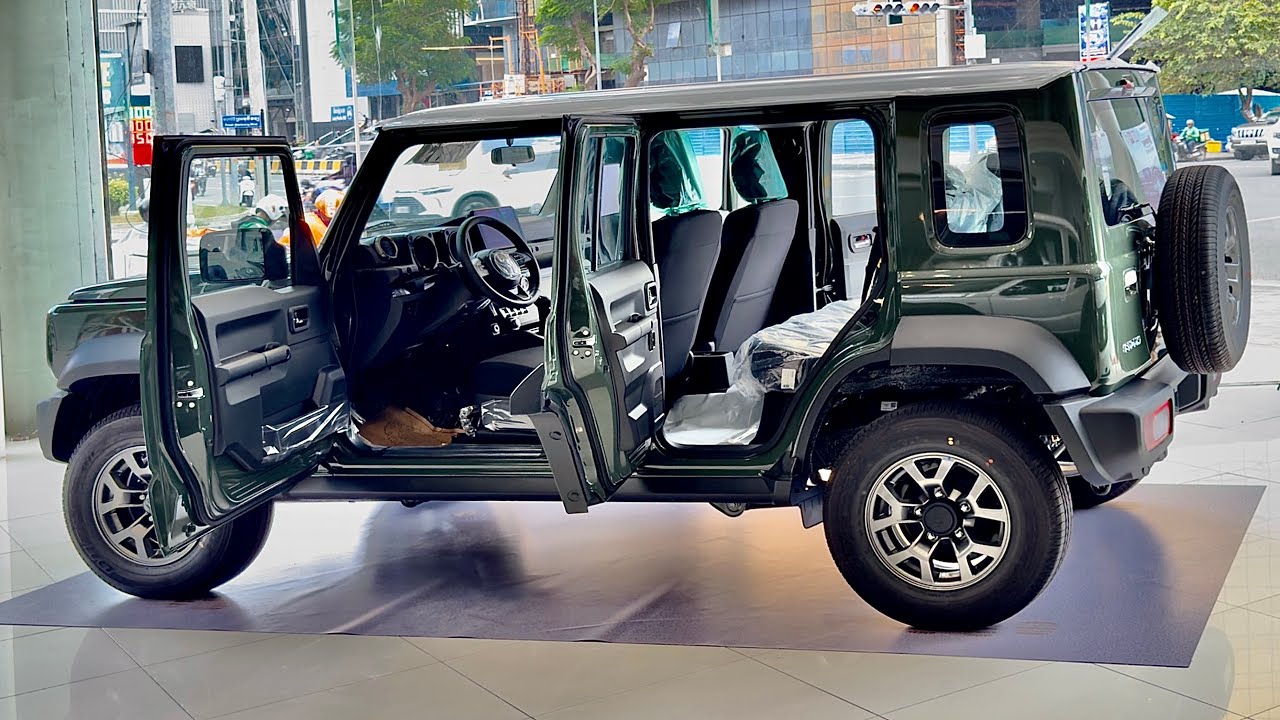
Suzuki sells a “family 4×4 SUV” with 5 doors, 1.5 engine, ladder frame chassis, 4×4 traction with reduction gear, and a price equivalent to about R$ 66,000 without taxes, below the Jeep Renegade sold in Brazil: meet the Jimny 5-Door in India.



The conduct is analyzed based on the context, taking into account the absence of mechanical problems, the lack of immediate risk, and normal road and visibility conditions.
Most Common Situations for Fines
In practice, fines occur more frequently when the driver remains in main lanes at a pace much lower than the rest of the traffic.
This is common on urban arterial roads and highways, where the speed difference creates forced overtakes and increases the risk of rear-end collisions.
Drivers who ignore the prevailing flow draw the attention of traffic enforcement, especially when there is no specific signage allowing slower driving.
In addition to the fine amount, the record of points on the driver’s license can influence future processes, such as warnings, mandatory retraining, or potential suspension.
Minimum Speed Provided by Law
The Brazilian Traffic Code stipulates that the minimum speed, as a general rule, corresponds to half of the maximum speed established for the road, unless otherwise indicated.
On a road marked with a limit of 60 km/h, for example, it is expected that vehicles travel, under normal conditions, close to or above 30 km/h.
This reference seeks to reduce abrupt discrepancies between vehicles, promoting predictability and decreasing situations of risk associated with surprises in traffic.
When Speed Reduction Is Allowed
A significant reduction in speed is accepted when there is a relevant reason related to safety, such as adverse road conditions or unexpected mechanical failures.
In such situations, the driver should signal correctly using hazard lights and seek a safe place to stop, avoiding remaining in the travel lane.
The law considers these circumstances as legitimate exceptions, as they prioritize the preservation of life and the integrity of passengers and other users.
Impacts of Driving Below the Road’s Rhythm
Maintaining a very low speed directly interferes with fluidity, creating congestion, queues, and the need for abrupt braking by other attentive drivers.
On highways, the problem worsens due to higher speeds, increasing the risk of rear-end and lateral collisions, as well as risky overtaking.
These effects compromise the road’s capacity, reduce the efficiency of the road system, and increase the likelihood of avoidable accidents.
How to Avoid Penalties
To avoid fines, the driver should pay close attention to signage, keep the speedometer functioning properly, and adjust driving to the existing flow.
When driving at a slower pace, especially on highways, it is advisable to use the right lane, allowing faster vehicles to proceed safely.
Mechanical failures require immediate and responsible action, with appropriate signaling and safe stopping, avoiding prolonging driving at an incompatible speed.
Avoiding prolonged distractions is also essential, as they can lead the driver to maintain inadequate speed without realizing it over long stretches.
Additional Information
The enforcement of this infraction seeks a balance between fluidity and safety, not punishing justified cautious driving, but curbing behaviors that disrupt traffic.
Respecting minimum and maximum limits contributes to predictability, reduces conflicts between vehicles, and strengthens safer coexistence on Brazilian roads.
With information from O Antagonista.









-

-

4 people reacted to this.