





 Portuguese
  English
  Spanish
  2 min of reading


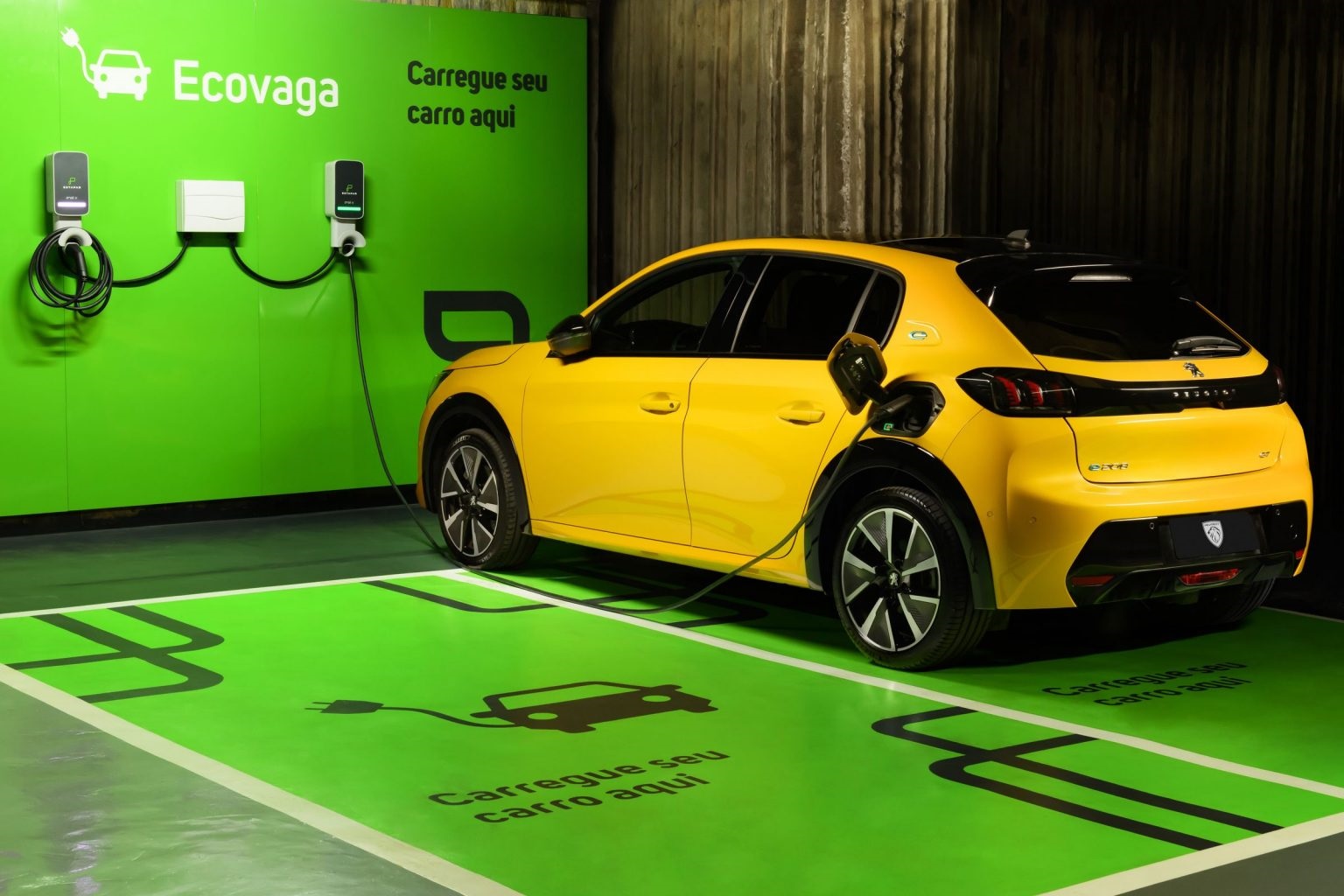
There Has Been a Recent Increase in the Number of Shopping Centers That Provide Free Charging Stations and Promote the Use of Electric Cars in Marketing Efforts. Shopping Center Managers Across the Country Are Adjusting Their Policies in Response to Demographic Changes and a Greater Emphasis on Sustainable Practices.
Thousands of shopping centers across the country are making the pursuit of sustainable activities, increasing incentives for customer well-being, and implementing initiatives that positively impact the environment a main goal. Shopping center managers have had to rethink infrastructure, landscaping, and marketing strategies due to a new consumer profile that is more concerned than ever with supporting environmentally conscious businesses.
Most shopping centers in Brazil (72%) are taking action to reduce carbon emissions, with 52% purchasing clean energy from the open market and 43% conducting air quality assessments, according to the latest Sustainability Report from the Brazilian Shopping Centers Association (Abrasce). The shopping center of Grupo Peralta is a contemporary example of this and is widely considered the largest retail and entertainment complex on the São Paulo coast, with over 300 stores and 82,000 m2 of GLA (Gross Leasable Area). Two green areas were created at the main entrances of the property two months ago to provide customers with a place to park their electric vehicles while they charge for up to an hour.
We observe that “environmental awareness,” “sustainable consumption,” and “impact reduction” are increasingly integrated into business practices. Shopping centers are essentially small towns, with high daily resource consumption that exceeds market needs. The marketing director of Litoral Plaza, Jannine Bastos, said: “It is proving that indeed, socio-environmental awareness for a better future is important.”
-
A mechanic warns: Car air conditioning can hide bad odors, fungi, and strained parts if the driver ignores 5 simple care tips that make a difference in heat, cold, and even on long trips.

-
“Brazilian Elon Musk” unveils prototype of the Lecar 459, a car capable of running up to 1,000 km with a 165 hp electric motor and a hybrid system that dispenses with direct traction from the combustion engine.

-
How much does it cost to keep the POLO Comfortline TSI 200 in the garage?
-
Once beloved in Brazil, sedans plummeted from 29% to just 12% of the market in 10 years, while SUVs jumped from 14% to nearly 55%; understand the numbers and the changes that turned the game at dealerships.



Now it Must Be Cool – It’s no wonder that the shopping center’s Christmas campaign has expanded this year: for the first time in the region, a company will raffle off a fully electric car, seven times more economical than a combustion engine, with zero emissions and a range of 298 kilometers on a single charge.
Although sustainable practices inspire and spark curiosity among people, retailers also need to provide tangible incentives for consumers to accept and support their stores. The marketing expert concludes that the goal has been met, as electric vehicles offer real solutions to the problems of air pollution and toxin release caused by fossil fuel combustion.





Be the first to react!