Portuguese
  Spanish


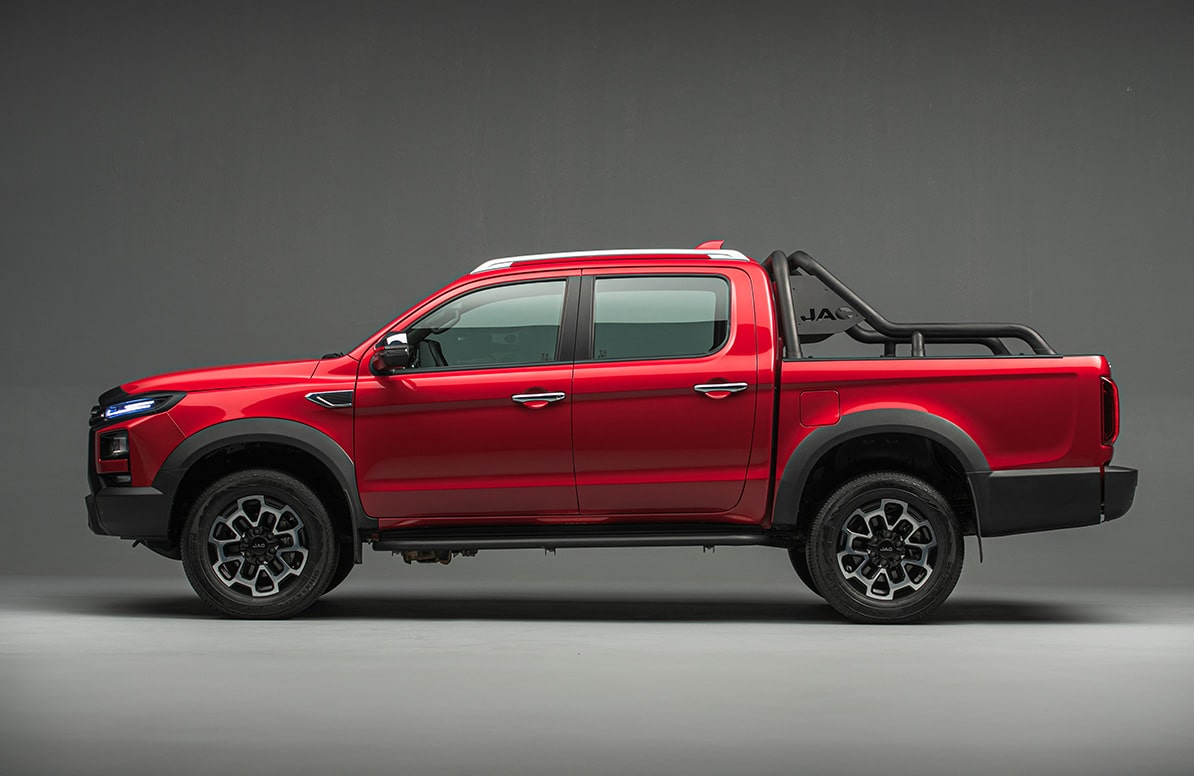


The JAC Hunter, 4×4 Pickup with a 191 HP Diesel Engine, Launches with an 8-Year Warranty and Promises to Compete with Market Leaders Like Toyota Hilux and Chevrolet S10.
The pickup market in Brazil is known for its stability. Most models follow a well-defined standard: 99% are 4×4, 90% have double cabins and diesel engines, while 84% feature automatic transmissions. Within this successful formula, JAC Motors decided to enter the competition by officially launching the JAC Hunter.
Opportunity and Strategy of the JAC Hunter
According to Estadão, Sergio Habib, president of the SHC Group and JAC Motors Brazil, highlighted that the new pickup is a strategic response to the demands of the Brazilian market.
“You cannot thrive in Brazil by only selling electric cars,” said the executive, referring to the rising prices of electric models, exacerbated by a lack of infrastructure and the expected increase in the import tax, which will reach 35% by 2026.
-
Rolls-Royce Turns Heads with 30-Inch Floating Wheels, 6.6-Liter V12 Engine, and 563 Horsepower

-
2019 Kia Sportage EX: A Spacious and Cost-Effective SUV with 2.0 Flex Engine and Panoramic Roof
-
Fiat Strada Becomes Top Seller in June, Surpassing Onix, Polo, Hilux, and T-Cross with 107 HP Engine and 732 km Range.

-
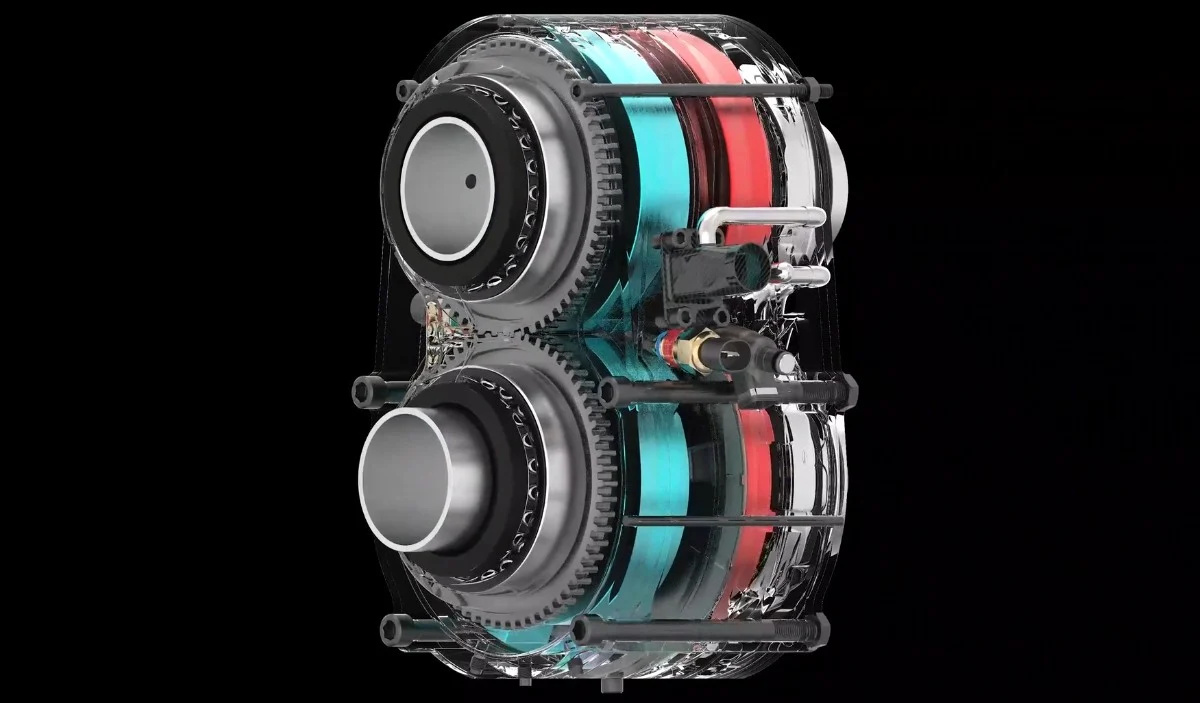
Suitcase-sized hydrogen engine spins at 25,000 rpm, nearly doubling the efficiency of conventional cars and replacing exhaust smoke with water vapor


The Hunter arrives in the market with the mission of expanding the brand’s portfolio and capturing an estimated 2% share of the segment.
The expectation is to sell between 3,000 and 4,000 units per year, a goal that has already begun to be worked on with confirmed sales to the São Paulo government.
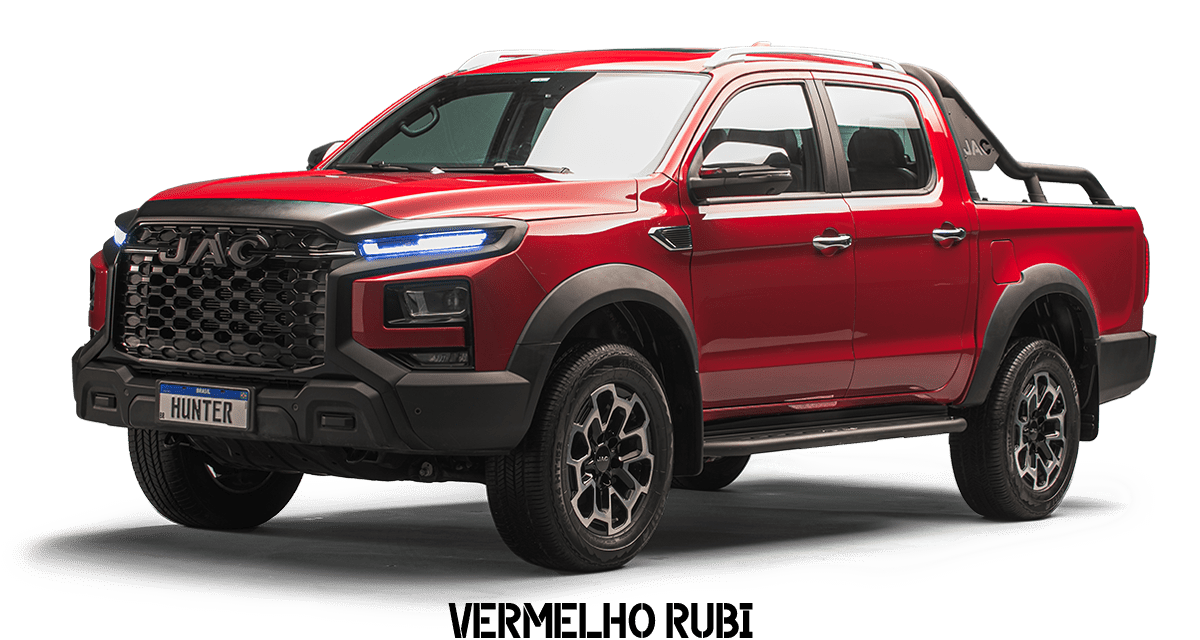
Technical Features and Price of the JAC Hunter
The Hunter comes in a single version, HD, equipped with a 2.0 turbo-diesel engine producing 191 HP and 46.9 mkgf of torque.
The 8-speed automatic transmission, supplied by ZF, works in conjunction with 4×4 drive with low range and a 4×2 rear option. Additionally, the model offers four driving modes: Normal, Economic, Mud, and Sport.
With a price of R$ 239,990, the pickup positions itself as the most affordable among competitors like Fiat Titano, Toyota Hilux SRV, Chevrolet S10 Z71, and Ford Ranger XLS. For rural producers, JAC offers special conditions, reinforcing its commercial appeal.
Performance and Comfort
Despite the competitive price, the performance of the Hunter shows limitations. The constant jolting, both on urban roads and off-road, compromises the driving experience.
The rear suspension, currently composed of an integral axle and leaf springs, is set to be replaced by a Multilink system early next year at no additional cost.
The Sport mode provides quicker responses, keeping the revs high and improving torque delivery. However, the acceleration from 0 to 100 km/h in nearly 12 seconds demonstrates that the engine and transmission combination, while functional, is not exemplary.
The driving position could be improved with the depth adjustment of the steering wheel, currently limited to height adjustment.
Finish and Equipment
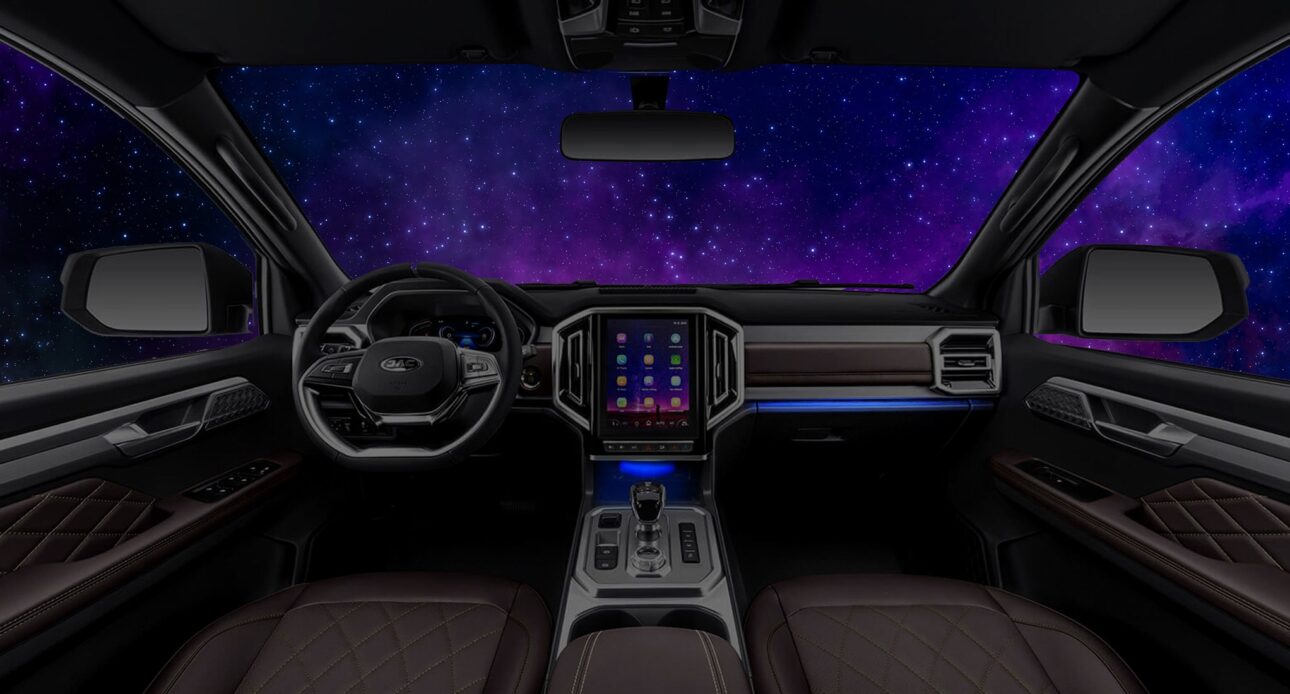
Inside, the Hunter surprises with its finish. The dashboard uses soft-touch materials, while the seats, upholstered in leather, offer electric adjustments for both the driver and passenger. The multimedia system, with a 13-inch screen, is compatible with Android Auto and Apple CarPlay.
Other highlights include an electric sunroof, digital air conditioning, wireless phone charger, and 360-degree camera.
The pickup also features advantages absent in more expensive models, such as a proximity key and electronic parking brake. The cooled glove compartment and rear USB ports complement the convenience package.
Dimensions and Capacity
With a length of 5.33 meters, a width of 1.97 meters, and a height of 1.92 meters, the Hunter surpasses most rivals in size. The wheelbase of 3.11 meters is only shorter than that of the Ford Ranger but still ensures comfortable space in the rear cabin.
However, the highlight is the payload capacity: 1,400 kg, well above the segment average of 1,020 kg. This advantage reinforces the Hunter’s appeal for heavy-duty work, especially in agribusiness.
Design
The robust aesthetics of the Hunter catches attention. At the front, the large grille dominates the look, accompanied by LED headlights and fog lights.
Black plastic elements reinforce the adventurous identity, while the 18-inch wheels and chrome details, like running boards and door handles, add sophistication.
At the rear, the vertical LED taillights and roll bar complement the functional design. The bed is equipped with protective coating, although the absence of a tonneau cover and the heavy weight of the tailgate are areas for improvement.
JAC Motors bets on a structured after-sales service, with over 100 accredited workshops in Brazil. Additionally, it offers test-drive delivery, allowing customers to experience the vehicle without leaving home. The eight-year warranty with no mileage limit for personal use is another important attraction.
The future of the Hunter also includes innovation. Starting in 2025, JAC plans to launch an electric version of the pickup, aligning with global sustainability trends.
With competitive pricing, good finish, and an aggressive market strategy, the JAC Hunter arrives as a viable option for those seeking a functional and well-equipped pickup.