






 Portuguese
  Spanish
  3 min of reading
  0 comments


Rapid increase in motor oil prices in the United States exposes dependence on Persian Gulf suppliers, pressures the automotive industry, and may affect drivers needing vehicle maintenance
Motor oil prices in the United States are rising and pressuring the automotive industry, with a warning of shortages after damage to facilities in the Middle East and the closure of the Strait of Hormuz.
Shortage threatens automotive industry oils
Executives state that the shortage may force consumers to delay oil changes or use lower quality products. Holly Alfano, CEO of the Independent Lubricant Manufacturers Association, told CNN that she foresees a shortage.
She stated that real relief could take about a year. The assessment reinforces concern about products used in newer vehicles in the United States.
-
New Honda HooRide 125 scooter debuts in China with ADV styling, 17-inch wheels, TFT panel, Smart Key, and fuel consumption of up to 47.17 km/l, aiming to resemble an urban X-ADV with a 125 engine, CVT transmission, and an economical proposal for cities.

-
Volkswagen focuses on ethanol and tests a Saveiro 100% alcohol-powered with a recalibrated engine; the project may ensure tax reduction, targets corporate fleets, and revives technology that lost ground since the arrival of flex-fuel vehicles in 2003.

-
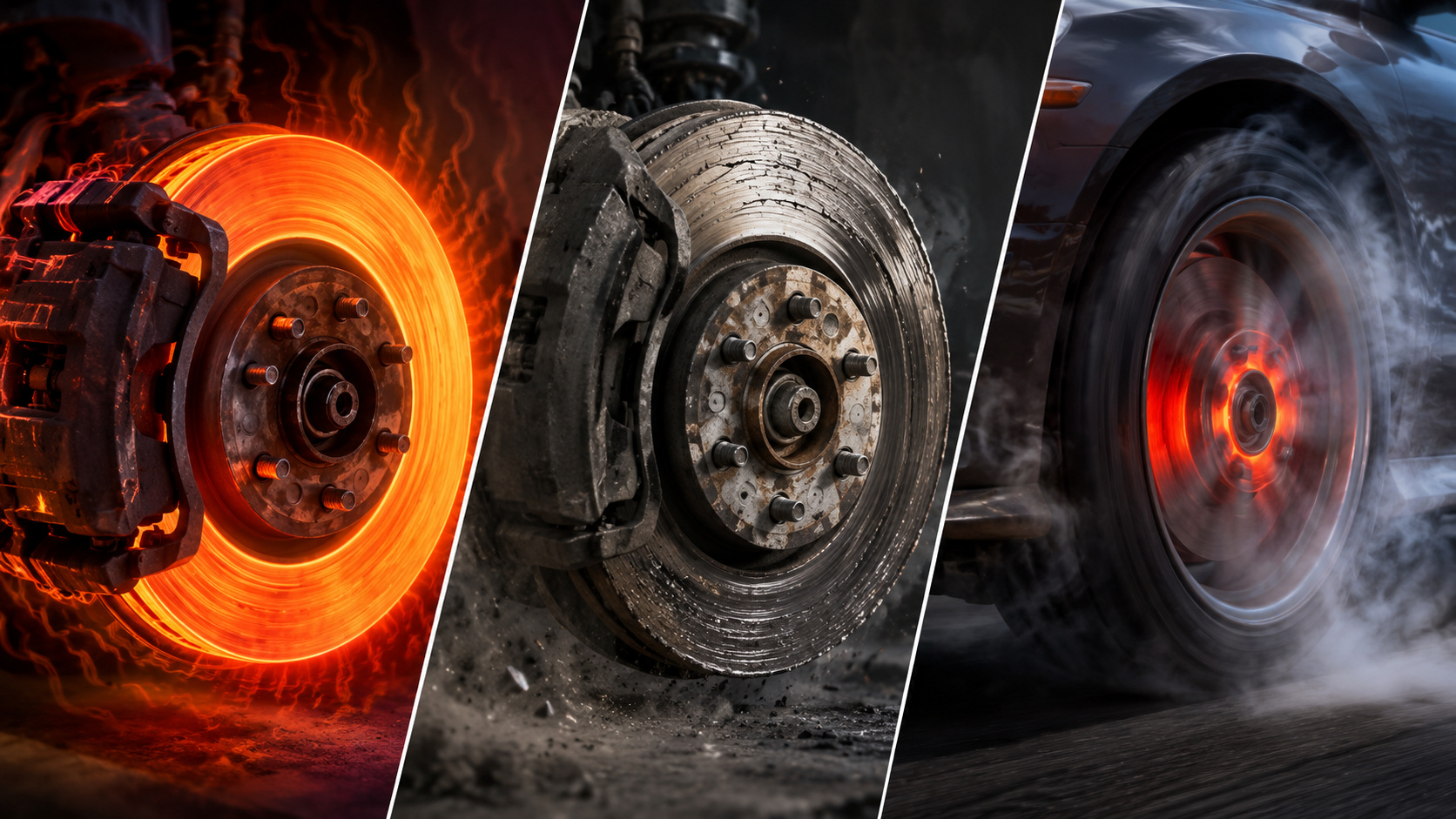
Keeping your foot lightly on the brake pedal while driving may seem harmless, but mechanics warn: this habit generates constant heat, wears out the pads too quickly, and can warp the discs, making braking expensive and dangerous.

-
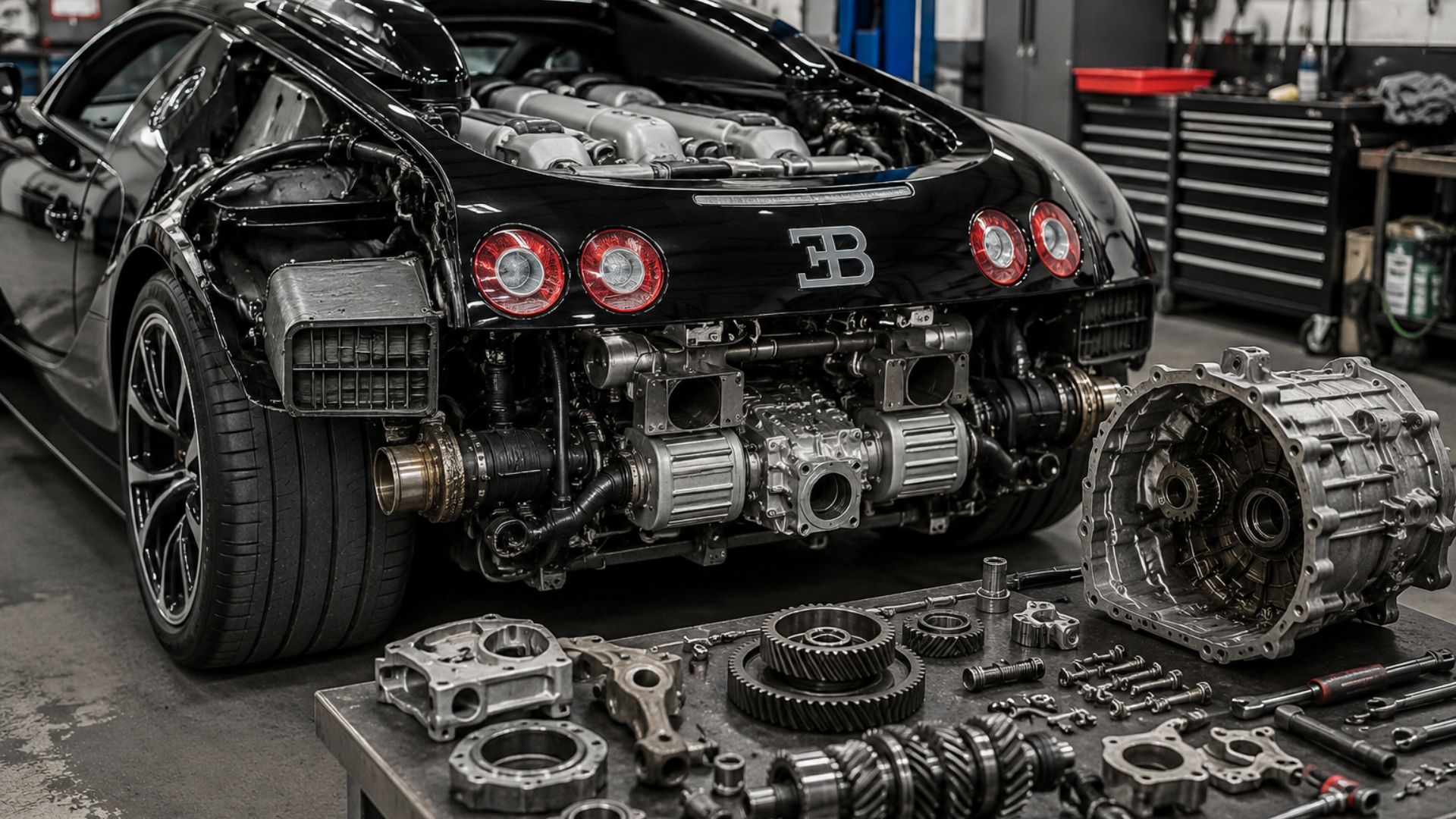
The YouTuber Mark McCann bought a Bugatti Veyron for almost $1.2 million, but discovered that the supercar’s gearbox is so damaged that even Bugatti itself won’t accept to repair it, and the repair could cost a fortune.


Tom Glenn, president and founder of Petroleum Trends International, reported three rounds of increases in two and a half months. According to him, such a scenario is unprecedented since he entered the business, due to the speed and magnitude.
In a normal year, producers would raise prices to distributors by 70 to 80 cents per gallon. This year, some increases have already reached $5 or more per gallon for bulk purchases.
Global chain depends on the Persian Gulf
The adjustments are attributed to the rising cost of crude oil, base oils, additives, transportation, packaging, and logistics. ILMA also warns of an imminent shortage of low viscosity oils, including 0W-16, 0W-8, and 0W-20.
The 0W-20 is described as the most important lubricant oil in the market. Preferred for newer vehicles, it accounted for about one-third of the total demand for motor oil for passenger cars last year.
The fragility appears in Group III, an essential base oil in lubricant manufacturing. According to ILMA, 44% of this input comes from only three producers in the Persian Gulf, affected by the war and the closure of Hormuz.
Government and sector seek alternatives
Pearl GTL, in Qatar, the world’s largest GTL plant, was attacked and severely damaged, leaving an important supplier inoperative indefinitely. ILMA reported that the US is expected to run out of Group III crude oil by June.
Alfano said there are informal reports of shortages in parts of the United States and that the sector is in talks with the Department of Energy. The White House stated it is working with companies to assess actions and policy decisions.
Valvoline reported having sufficient supply in the short term. The API activated provisional emergency licensing for alternative suppliers. According to Glenn, solutions may include higher viscosity, new change intervals, and the use of Group II by the automotive industry.





Be the first to react!