Portuguese
  Spanish




The Million-Dollar Sale of Pine Key Island Reignites Debates About Public Access, Accelerated Real Estate Appreciation, and The Limits Between Private Investment, Collective Use, Community Living, and The Transformation of Previously Free Spaces
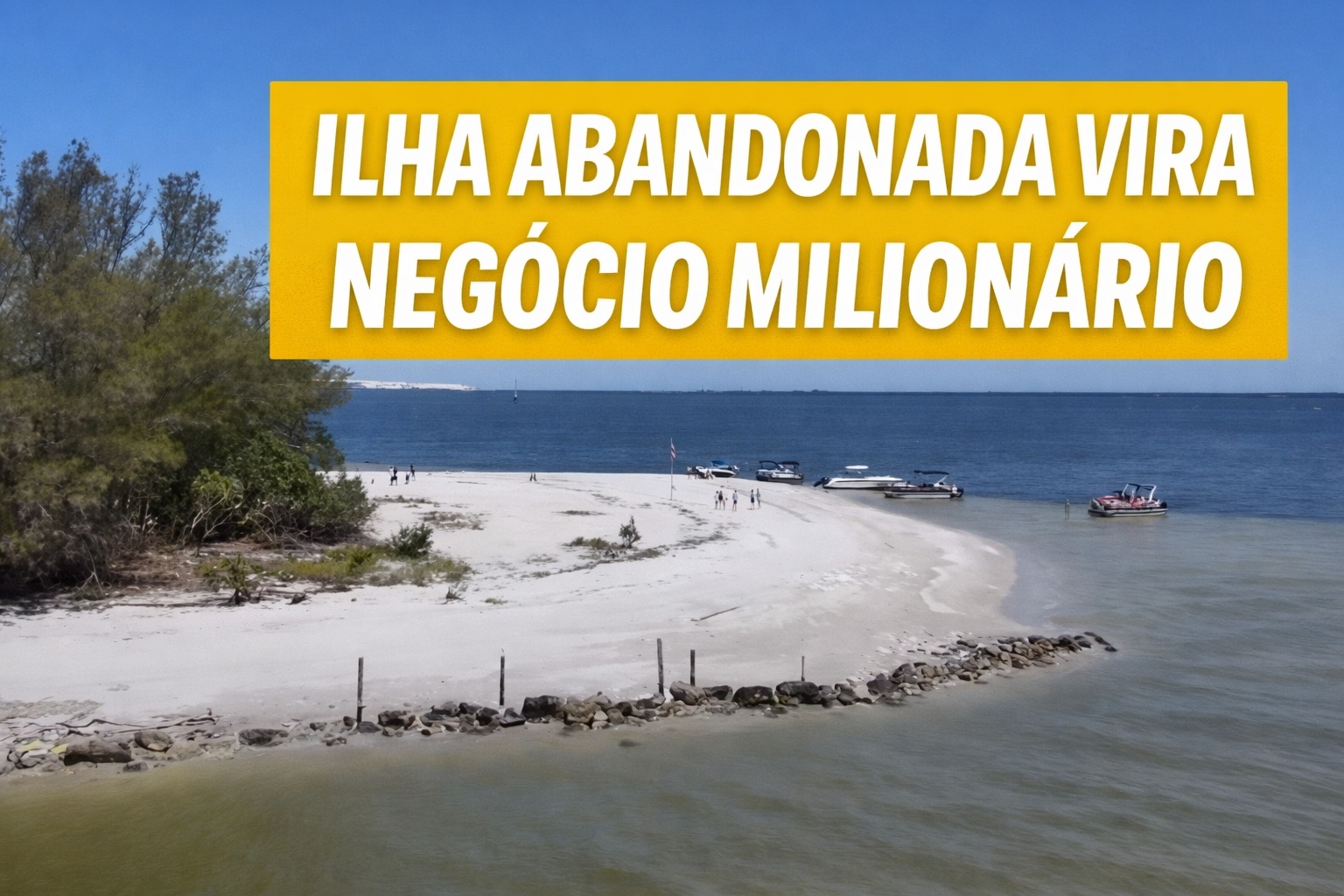
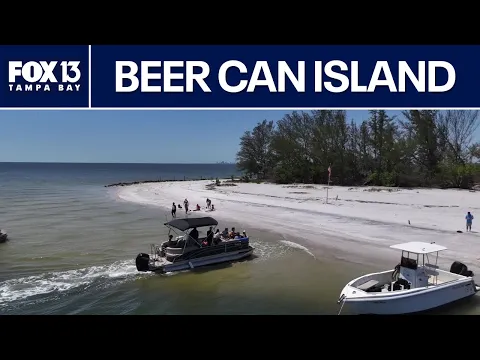
A story that went viral again has reignited debates about public access and million-dollar businesses in the United States, following the appreciation of Pine Key Island in Tampa Bay, which was purchased in 2017 and is now up for sale. The island, known as Beer Can Island, was acquired in 2017 by four friends for around US$ 65,000.
At the time of purchase, the location was practically abandoned, lacking defined structure, organized use, or constant presence, attracting only occasional visitors and recreational boats.
Over seven years, the owners decided to invest in the area, promoting a gradual revitalization that completely altered the dynamics of the island space.
-
Plastic Packaging Drives Santa Catarina Industry to 230% Growth, Aiming for R$ 500 Million by 2030 Amid Sector Crisis, with New Gearless Line Expanding in Southern Brazil to Compete in South America

-
Flamengo Star Invests in Brazilian Coastal Luxury Real Estate as Itapema Surpasses Balneário Camboriú in High-End Market Growth
-
Brazil to Issue “Panda Bonds” in China, Aiming to Raise Up to 5 Billion Yuan at Lower Interest Rates Than Dollar Debt
-
NATO Faces Internal Tensions as U.S. Pushes for Increased Defense Spending, Targeting 5% of GDP by 2035, with Warnings for Countries Near 2% Level


The location began hosting events, shows, and weddings, as well as establishing itself as a community gathering space, increasing visibility and generating intense real estate appreciation.


Appreciation and Change of The Island’s Profile
With the new use, the island gained regional prominence, attracting diverse audiences and transforming into a structured meeting point, differing from the informal scenario maintained for decades.
This change, however, sparked conflicts with old visitors who were accustomed to free use by partygoers and boaters, without clear rules or imposed restrictions.
The property encompasses nine acres of dry land, along with about 90 acres of submerged areas around it, a decisive factor for the current appreciation.
In light of this scenario, the owners listed the island for sale for over US$ 14 million, reigniting debates about public access and future use.
Attempt at Balancing Interests
To reduce tensions, the owners divided the area into two zones, keeping one open to the public and the other restricted to members.
The strategy aimed to balance private investment with collective use, although part of the local community remained resistant to the new rules.
Now, with the potential sale, the fate of Pine Key Island remains uncertain, raising speculations about exclusivity or partial continuity of access.
Parallel Stories of Collective Life
In another context, seven friends from Guangdong province in southeastern China decided to buy and renovate a house to live together.
The project started as a joke but evolved into a structured living plan after retirement, showcasing different approaches to shared ownership.
These stories, though distinct, reignite discussions about belonging, collective use, and the limits between private investment and community interest.
The data is from Gazeta de São Paulo.